💡 Three Game-Changing Tips for Polished Game Animations
1. Nail the Fundamentals: The Core of Believable Motion
It’s not just about learning the technique — it’s about shifting how you think about movement itself. Gameanimator Musong Lee emphasizes deeply understanding core animation principles like timing, spacing, arcs, and anticipation. This isn’t just theory; it’s the bedrock that makes every subsequent animation, from a simple walk cycle to a complex combat move, feel grounded and impactful. Practice these principles relentlessly with exercises like bouncing balls and simple character actions to build an intuitive feel for weight and momentum.
2. Workflow Efficiency: Mastering Biped for Speed and Precision
Gameanimator Musong Lee’s approach highlights the power of 3ds Max’s Biped system for streamlining character animation. The key here is not just knowing how to use Biped, but understanding its workflow integration. This includes efficient skeleton setup, utilizing motion panels effectively, and mastering the control curves for nuanced acceleration and deceleration. By adopting Biped-specific techniques, you can drastically reduce production time while maintaining a high degree of control over your character’s motion.
3. The Portfolio Polish: Bringing Your Animations to Life with Detail
To stand out, your portfolio needs more than just technically correct animations; it needs personality and polish. Gameanimator Musong Lee stresses the importance of analyzing references and understanding how to translate them into unique character performances. This includes mastering subtle details like breathing, secondary actions, and facial expressions, which add a layer of believability. Furthermore, learning effective rendering and basic video editing techniques ensures your demo reel showcases your skills in the best possible light.
🛠️ Key Skills & Details That Define Professional Quality
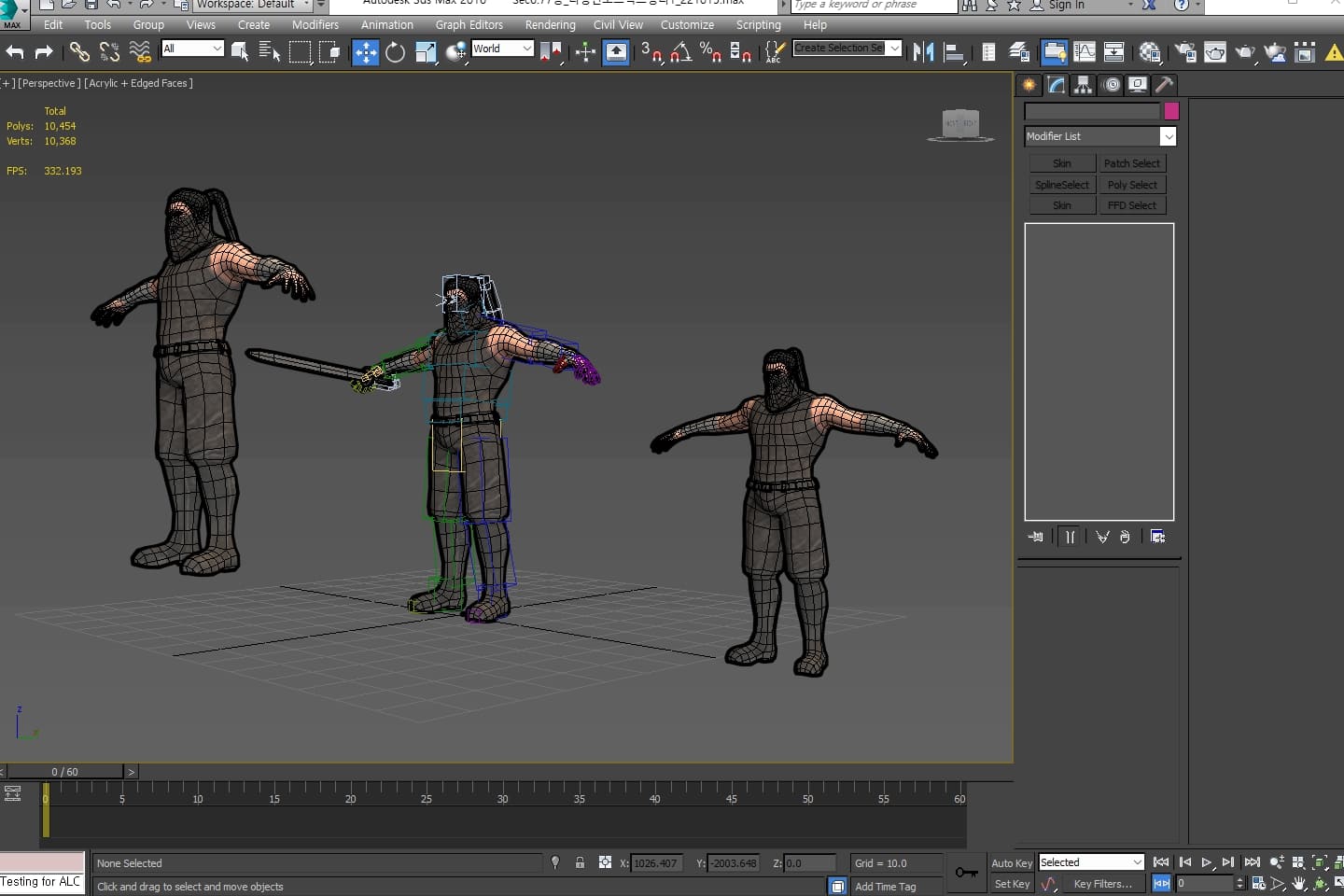
To create game animations that land you a job, focus on the practical application of these skills:
- Dynamic Motion Principles: Go beyond static poses. Understand how to apply principles like ‘squash and stretch’ and ‘anticipation’ to make even simple actions feel energetic and alive. This involves carefully controlling keyframes to convey weight and force effectively.
- Biped System Mastery: Efficiently utilize 3ds Max’s Biped for character rigging and animation. This means understanding its structure for setting up skeletons, applying skin weights correctly, and leveraging motion panels to refine everything from walks to complex attacks. Accurate rigging is crucial for clean deformation.
- Character-Specific Movement: Learn to differentiate how different character types move. Mastering male and female character walks, runs, and attacks is essential. Crucially, also study the unique mechanics of monsters and four-legged animals to broaden your animation range and appeal to various game genres.
- Rigging Fundamentals: Develop a solid foundation in rigging by practicing with basic shapes like cylinders to understand core concepts. This includes learning how to set up skeletons, apply skin weights, and implement essential controls like eye and mouth rigging for facial expressions, which are vital for character performance.
- Portfolio Creation: Your portfolio is your calling card. Learn how to select, analyze, and creatively use references to build unique animations that fit your portfolio’s concept. This also involves mastering rendering techniques in 3ds Max and basic video editing to present your work professionally.
💬 Frequently Asked Questions
Q. Gameanimator Musong Lee mentioned a 100-chapter curriculum. What kind of detail is covered in each chapter?
Gameanimator Musong Lee’s curriculum breaks down game animation into manageable, digestible lessons covering everything from 3ds Max interface basics and animation principles to character rigging and portfolio creation. Each chapter focuses on specific skills or animation types, building a comprehensive understanding step-by-step, ensuring a solid grasp of both technical execution and artistic principles.
Q. Gameanimator Musong Lee emphasizes practical tips. What are some examples of these practical tips in the course?
Practical tips from Gameanimator Musong Lee include specific Biped system workflows for faster animation creation, techniques for analyzing reference footage to capture subtle nuances in motion, and methods for setting up character rigs that allow for expressive facial animations. They also cover essential portfolio-building strategies, such as rendering animation clips and basic video editing for a strong demo reel.
Q. As a total beginner, will I be able to follow along with Gameanimator Musong Lee’s lessons?
Yes, the course is specifically designed for total beginners. Gameanimator Musong Lee focuses on explaining foundational concepts from a beginner’s perspective, ensuring that complex topics like animation principles, Biped usage, and rigging are broken down into easy-to-understand steps. The curriculum is structured to build knowledge progressively, making it accessible even for those without prior experience in 3D animation.