💡 3 Expert-Approved Tips for Seamless Anime Animation
1. The Anatomy First Principle: Building Believable Motion from the Core
When animating, always anchor your movement in a solid understanding of anatomy. Instead of just drawing lines, think about how bones and muscles interact to create a pose and generate motion. This means focusing on the underlying structure first — think of it as building a sophisticated mannequin before dressing it. This approach prevents uncanny stiffness and ensures that even simple actions like blinking or hair flow look natural and grounded. It’s not just about learning the technique; it’s about shifting how you think about character construction.
2. Workflow Efficiency: Strategic Use of Reference and Breakdown Frames
Many professionals rely on a smart workflow that leverages reference materials and breakdown frames to accelerate the animation process without sacrificing quality. Instead of drawing every single in-between, focus on nailing your key poses and then creating strategic breakdown frames that clearly define the arc of movement. This method is particularly effective when animating repetitive actions or complex movements like hair flow or fabric draping. By establishing strong key and breakdown poses, you create a solid foundation that makes the final in-betweening process much faster and more intuitive.
3. The Finishing Touch: Subtle Expression Tweaks for Lifelike Characters
To elevate your animation from good to great, pay close attention to the micro-expressions and subtle movements that define a character’s personality. Animators often add small, deliberate tweaks to eye shapes, mouth positions, or even slight head tilts during key moments. These details, often overlooked by beginners, are crucial for conveying emotion and making characters feel genuinely alive. Think about the tiny adjustments that happen between frames — these are what sell the performance.
🛠️ Key Skills & Details That Define Professional Quality
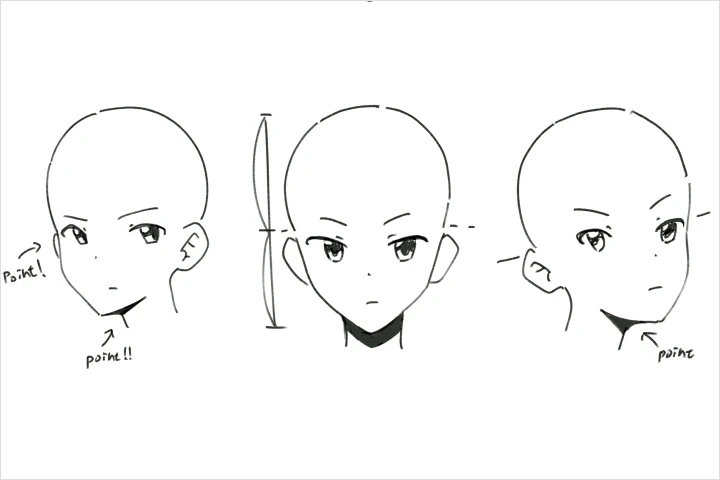
Achieving professional-quality 2D anime animation hinges on mastering specific hands-on techniques. For drawing, this means developing precise control over your brushwork and understanding pressure dynamics to create varied line weights and expressive strokes. When it comes to motion and workflow, professionals prioritize efficiency through smart data management and a structured approach to breakdown frames.
A key workflow tip is the strategic use of reference. By clearly defining key poses and understanding the underlying anatomical principles, animators can create more convincing motion with fewer frames. This allows for more time to be spent on subtle details like secondary motion (e.g., hair and clothing) and nuanced character expressions. The ability to break down complex actions into manageable steps, using tools like Clip Studio Paint effectively for sketching, line art, coloring, and timing, is paramount. This practical, repetition-based learning approach, embedded within a workbook-style curriculum, helps build a solid foundation for creating lively characters.
💬 Frequently Asked Questions
Q. How can 2D Animator Huang HsiangLin’s techniques improve my character’s expressions?
A. 2D Animator Huang HsiangLin emphasizes focusing on the underlying anatomy and subtle micro-expressions. By understanding how bone structure and muscle interaction influence movement, practitioners can create more natural and believable expressions. This involves not just drawing the final shape, but considering the dynamic forces that shape the face, leading to more nuanced and impactful emotional conveyance.
Q. What is the most efficient workflow for animating hair and clothing according to 2D Animator Huang HsiangLin?
A. 2D Animator Huang HsiangLin’s approach prioritizes establishing strong key poses and strategic breakdown frames to define the movement arc for hair and clothing. This efficient workflow focuses on the core motion, allowing for faster animation cycles. By clearly outlining the primary movement path, the subsequent in-betweening and refinement stages become more streamlined and intuitive, saving significant production time.
Q. How does 2D Animator Huang HsiangLin suggest improving the overall liveliness of animated characters?
A. 2D Animator Huang HsiangLin suggests focusing on the “finishing touches” — the subtle, often overlooked details that bring characters to life. This includes deliberate, minor adjustments to eye shapes, mouth positions, and head tilts during key moments in the animation. These micro-expressions, when implemented correctly, significantly enhance the character’s perceived emotion and make their performance more engaging and believable.