Mastering Dynamic 2D Fight Scenes: Jin’s Animation Secrets
🧐 Ever feel like your character’s movements lack that punch, even with hours of work?
 You follow every step, yet the result still feels stiff and uninspired, especially when crafting those high-energy fight scenes. It often comes down to a few crucial nuances that transform a flat drawing into a dynamic performance.
💡 3 Core Tips to Animate with Impact
1. Harnessing Weight and Physics for Believable Motion
The foundation of impactful animation lies in understanding how weight and physics influence movement. Jin emphasizes that even in stylized 2D animation, observing real-world physics provides a crucial framework. Break down complex actions into simple shapes, focusing on how forces like gravity and momentum affect your character’s poses. This isn’t just about technical accuracy; it’s about breathing life and believable presence into every frame.
2. Streamlining Your Workflow with a Professional Mindset
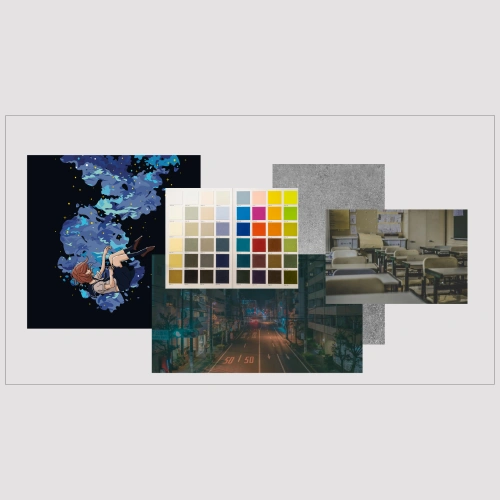
To dramatically cut down production time, adopt Jin’s self-taught professional workflow. They highlight the importance of a strong foundation, starting with mood boards and storyboards to visualize the entire sequence before diving into animation. This proactive planning stage minimizes rework and ensures a cohesive final product. Efficiently managing your files and references, much like using timesheets and organized project folders, is key to maintaining momentum and clarity throughout the process.
3. The Finishing Detail: Layering Dynamic 2D Effects
Elevate your animation by mastering the art of 2D effects. Jin shows how to seamlessly integrate elements like smoke, fire, and liquid motion. The trick isn’t just in the rendering, but in understanding how these effects interact with your character’s actions. Pay close attention to how forces like wind or explosions push and distort these elements, adding a layer of realism and visual flair that truly makes your scenes pop.
🛠️ Key Skills & Details That Define Professional Quality
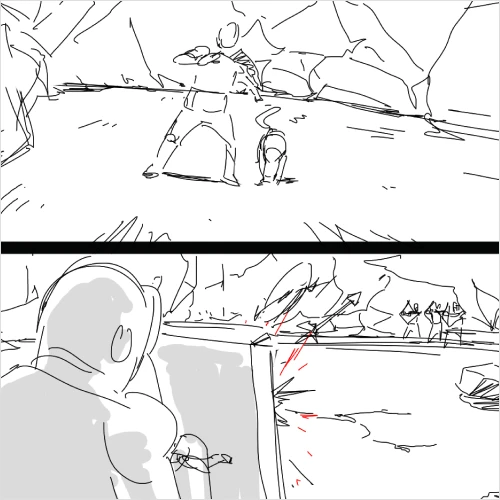
When it comes to creating professional-quality 2D animation, especially for action sequences, the devil is in the details. Jin stresses the importance of body mechanics – understanding how the body moves and distributes weight – and how to translate that into compelling key animation. This involves not just drawing poses, but understanding the arcs and timing that convey force and speed.
Think about the spacing of your drawings: a rapid sequence of frames for fast movement, with gradual easing in and out to control momentum. Jin also delves into creating dynamic 2D effects like smoke and fire. The real skill here is in understanding how these effects react to the environment and the characters’ actions, adding visual depth without overwhelming the scene. Practicing these elements consistently, even through dedicated exercises like walk cycles and impact frames, builds the muscle memory and intuition needed for professional output.
💬 Frequently Asked Questions
Q. What are the most important principles 2D Animator Jin emphasizes for creating dynamic fight scenes?
A. 2D Animator Jin emphasizes two critical principles: strong drawing skills and a solid understanding of movement. They stress that both are indispensable, and consistent practice in both areas is the surest path to improvement.
Q. How can a beginner animator effectively learn complex animation techniques like body mechanics and dynamic effects?
A. 2D Animator Jin suggests starting with a clear plan: utilize mood boards and storyboards to visualize the animation’s flow. Break down complex movements into simple shapes and focus on the principles of weight and physics. Jin also recommends practicing with dedicated exercises, such as walk cycles and keyframed action poses, to build foundational skills.
Q. What is 2D Animator Jin’s advice for those looking to break into the animation industry?
A. 2D Animator Jin advises aspiring animators to be persistent and to surprise themselves with their work. They also suggest actively sharing your work online, as this can lead to unexpected opportunities. Consistent practice and a willingness to experiment are key.