🛠️ Key Skills & Details That Define Professional Quality
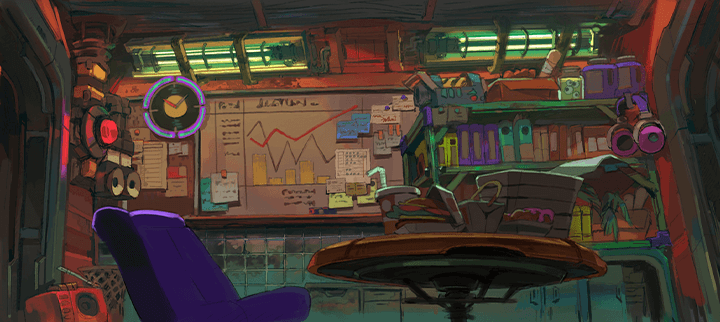
Beyond software proficiency, professional 2D animation hinges on a creator’s mindset and process. Michinoku-toge emphasizes practical techniques that elevate your output:
- Brush Control & Pressure Dynamics: For drawing, mastering your digital brushes and understanding pressure sensitivity is crucial for creating nuanced lines and textures. This allows for dynamic character expressions and varied line weights that add life to your animation.
- Efficient Workflow Management: Utilizing tools like Google Calendar for precise scheduling and time-as-cost calculations helps manage project timelines effectively. This foresight ensures that even complex scenes can be completed within deadlines without compromising quality due to burnout.
- Mindful Comparison & Self-Pacing: While seeking inspiration from other artists is important, avoid direct comparison that breeds self-doubt. Instead, focus on comparing your current work to your past self. This allows for a healthier, more sustainable growth trajectory, ensuring consistent output and well-being.
- Objective Self-Critique: Develop the discipline to objectively assess your own work after completion. This practice helps identify areas for improvement without succumbing to emotional feedback loops, leading to more confident and polished final pieces.
💬 Frequently Asked Questions
Q. How can a 2D Animator balance creative freedom with strict project deadlines?
A. The key lies in meticulous scheduling and realistic time management. 2D Animator Michinoku-toge advocates for using tools like Google Calendar to break down projects into manageable tasks with clear deadlines. By estimating the time required for each step and factoring in potential delays, animators can create a flexible yet robust schedule that allows for both creative exploration and timely completion. Embracing “done is better than perfect” in early stages is crucial for maintaining momentum.
Q. What is the most effective way for a 2D Animator to stay motivated when facing challenging projects?
A. 2D Animator Michinoku-toge suggests focusing on internal motivation rather than external validation. Key strategies include avoiding direct comparison with peers, celebrating small victories, and comparing progress against your own past work. Additionally, maintaining a positive mindset and recognizing the value of learning from experienced artists (without falling into self-criticism) are vital for sustained motivation throughout demanding projects.
Q. How does a 2D Animator ensure their work is communicated effectively to clients or collaborators?
A. Effective communication for a 2D Animator starts with a clear, well-defined concept. Before seeking external feedback, ensure your vision is solid from your own perspective. Michinoku-toge advises against showing incomplete work, as this can lead to misinterpretation and feedback that steers away from your original intent. When presenting, confidence stemming from a finalized plan is crucial for ensuring your message is accurately conveyed and understood.