Unreal Engine 5 Environments: Storytelling Through Light and Texture
🧐 You build an environment, but it feels flat and lifeless.
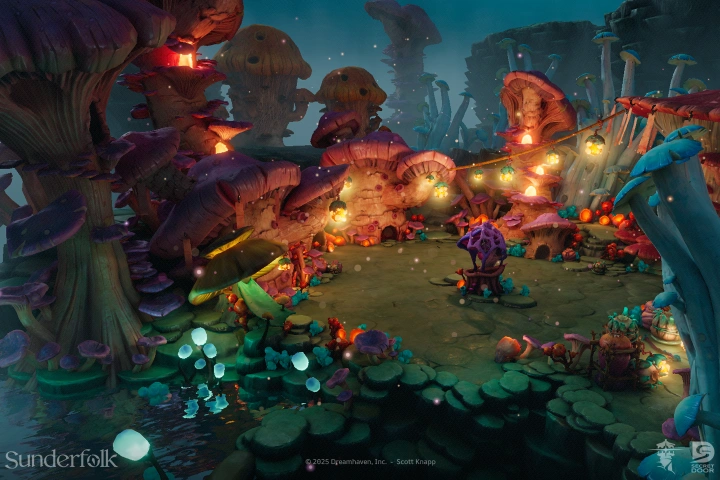 You meticulously place every asset, yet the final scene lacks that spark, failing to evoke the intended mood or guide the player’s eye. The difference between a game environment and a truly immersive world often boils down to how you wield light and texture to tell a story.
💡 Pro Secrets for Crafting Immersive Game Worlds
1. Lighting as a Narrative Compass
It’s not just about illumination; it’s about guiding player emotion and attention. Scott Knapp emphasizes that professionals treat lighting as a primary storytelling tool. Instead of just filling a scene with light, think about where you want the player to look, what you want them to feel, and how light can subtly direct that experience. This involves mastering not just the technical aspects of key, fill, and rim lighting, but understanding color temperature and its psychological impact. The goal is to create an atmosphere that breathes life into static geometry.
2. Material Alchemy for Visual Consistency
Achieving a cohesive look across diverse assets can be a challenge. The key is advanced material unification and texturing. This means understanding how to manipulate texture maps to achieve specific surface qualities that feel both realistic and stylized according to your project’s needs. A professional approach focuses on creating a consistent visual language for every surface, ensuring that a wooden crate feels like it belongs in the same world as a metallic structure, even if they are made from entirely different base assets.
3. World-Building Beyond Asset Placement
Transforming modular kit pieces into breathtaking realities requires a strategic approach to architectural storytelling. Professionals don’t just place assets; they craft intentional spaces that feel hand-crafted. This involves careful composition planning and understanding how to use light and shadow to define form and depth, making even simple geometry feel monumental. The aim is to build immersive realities, not just environments, by ensuring every path and vista contributes to the overall narrative.
🛠️ Key Skills & Details That Define Professional Quality
Professionals in game environment art leverage Unreal Engine 5’s advanced features to elevate their work from mere digital construction to true environmental storytelling. The process involves more than just understanding Nanite and Lumen; it’s about how these tools are applied artistically.
- Dynamic Time-of-Day Systems: Implementing systems that allow for realistic or stylized time progression adds immense depth and realism. This involves not only the technical setup but also understanding how lighting changes throughout a day affect mood and gameplay.
- Volumetric Lighting: Mastering volumetric effects adds tangible atmosphere, making light beams visible in fog or dust, which significantly enhances immersion and visual fidelity.
- Character-Specific Lighting Rigs: For environments that need to highlight characters, understanding how to create lighting that flatters and defines the character model within the scene is crucial. This often involves precise control over key, fill, and rim lights tailored to the character’s design and role.
- HDRI Creation and Manipulation: Professionals often craft their own High Dynamic Range Imagery (HDRI) skies or heavily edit existing ones to perfectly match the mood and lighting conditions of their scenes, ensuring a natural and integrated look.
💬 Frequently Asked Questions
Q. As a 3D Artist, how can I make modular assets feel less repetitive in Unreal Engine 5?
A. 3D Artists can combat repetition by strategically combining modular pieces with unique props and detailed material variations. Use lighting to create depth and shadow, making similar shapes appear distinct. Introducing architectural storytelling principles, where the arrangement of modules tells a story or defines a space, also significantly reduces the feeling of repetition.
Q. What’s the most impactful way for a 3D Artist to use lighting in Unreal Engine 5 to tell a story?
A. The most impactful approach for a 3D Artist is to use lighting to guide player attention and evoke emotion. Focus on establishing a clear light hierarchy: a strong key light to define the primary subject, fill lights to manage shadows without flattening the scene, and rim lights to create separation and depth. Experiment with color temperature to convey mood—warm tones for comfort or urgency, cool tones for mystery or calmness.
Q. How can a 3D Artist ensure visual consistency across all textures and materials in a large Unreal Engine 5 environment?
A. A 3D Artist can achieve visual consistency by developing a master material set and using texture atlases where appropriate. Scott Knapp’s methods emphasize understanding the technical parameters of surface types and manipulating texture maps to ensure they unify across diverse assets. Regularly check how materials interact with different lighting conditions and use reference boards to maintain a consistent aesthetic.