💡 Mastering 2.5D: Core Techniques from 3D Artists EmesZack & Nikolai Fletcher
1. The Dual Render: Bridging 3D and 2D Aesthetics
It’s not just about building in 3D and rendering. The real magic in 2.5D lies in how you translate those 3D assets into 2D layers. EmesZack and Nikolai Fletcher emphasize mastering two distinct rendering approaches: utilizing Blender’s Grease Pencil for hand-drawn elements and sophisticated texturing techniques to mimic 2D art styles. This dual approach allows for unparalleled control in defining the final look, from stylized character outlines to painterly backgrounds. It’s about thinking in layers, even before you start modeling.
2. Dynamic Depth Through Smart Animation
Simply animating a camera through a 3D scene won’t give you that true 2.5D feel. The trick here is implementing parallax animation effectively. This means rendering your scene into distinct 2D layers that move at different speeds relative to the camera. Combine this with Grease Pencil animation for animated 2D elements, and you create an illusion of incredible depth and movement. Most pros achieve this by carefully planning their scene hierarchy and camera setup to facilitate layered animation, making the scene feel alive and responsive.
3. The Anime-Inspired Polish: Beyond Basic Rendering
Achieving that sought-after cartoonish or anime-inspired feel requires more than just textures. It involves understanding how to stylize your 3D models to read clearly as 2D elements. This includes simplifying lighting and shading, and often, adding hand-drawn details post-render, sometimes using external software. EmesZack and Nikolai Fletcher’s approach highlights the power of post-processing, using tools like After Effects to further refine the aesthetic. This one extra step in post-production can drastically elevate your output quality, giving your scenes a professional, polished finish that draws the viewer in.
🛠️ Key Skills & Details That Define Professional Quality
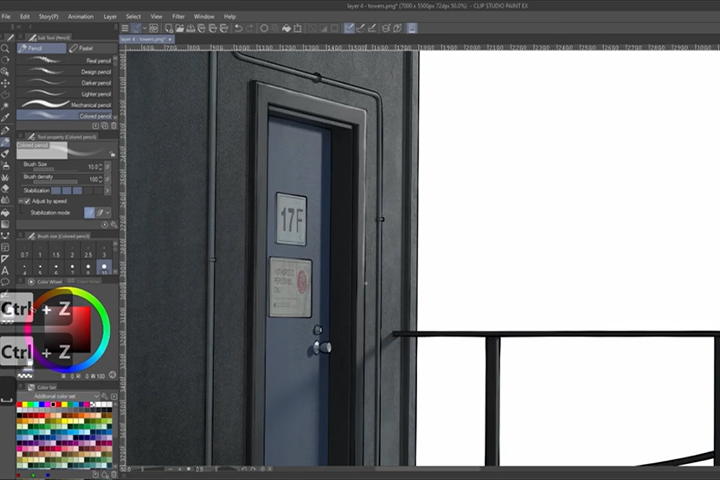
Translating 3D models into compelling 2.5D scenes demands a specific skillset. It’s less about mastering every single Blender feature and more about strategically applying them. For instance, understanding Grease Pencil’s brush dynamics and pressure sensitivity is crucial for creating organic, hand-drawn animation that feels authentic. On the modeling front, it’s about building scenes with clear foreground, middle ground, and background elements that are optimized for parallax. This means not just creating detailed models, but arranging them in a way that naturally supports depth. Professionals also leverage specific texture mapping techniques to achieve non-photorealistic rendering styles, breaking away from PBR workflows when the artistic goal demands it. The final polish, often involving adjustment layers and compositing in After Effects, is what ties it all together, allowing for fine-tuning color, mood, and motion to perfectly match the desired anime or cartoon aesthetic.
💬 Frequently Asked Questions
Q. How do 3 artists approach creating stylized assets for 2.5D scenes in Blender? A. 3 artists EmesZack and Nikolai Fletcher demonstrate how to create stylized assets by focusing on simplifying geometry and leveraging Blender’s Grease Pencil tool for 2D elements. They also explore texturing methods that mimic 2D art styles, ensuring 3D models effectively integrate into a 2.5D visual language.
Q. What’s the most effective way to add movement and depth to a 2.5D scene? A. The most effective method, as taught by 3 artists EmesZack and Nikolai Fletcher, involves combining parallax animation with Grease Pencil animation. This means rendering scenes into separate 2D layers that move at different rates relative to the camera, creating a strong illusion of depth and dynamic motion.
Q. Can 3 artists provide tips on achieving an anime-inspired look in Blender? A. Yes, 3 artists EmesZack and Nikolai Fletcher guide users through anime-style post-processing techniques using both Blender and After Effects. This includes understanding how to simplify lighting and shading on 3D models and adding hand-drawn details to achieve the desired aesthetic.