Master 3D Character Storytelling: LouLL_AroLL’s Workflow Secrets
🧐 Why Does My 3D Scene Feel Lifeless Despite Following Every Tutorial?
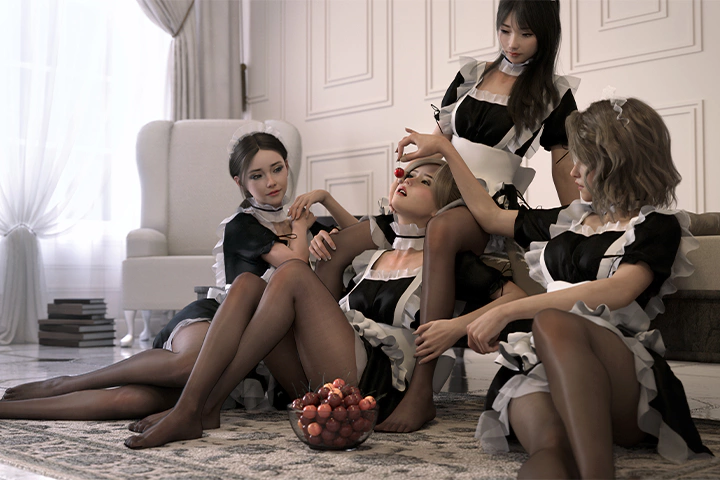 You meticulously follow every tutorial, but your 3D characters and scenes still lack that spark of life, that compelling narrative. The frustration of creating technically correct but emotionally flat art is a common hurdle. Turns out, the solution isn’t just about mastering software; it’s about understanding the subtle art of visual storytelling and workflow efficiency.
💡 LouLL_AroLL’s Core Workflow Strategies for Compelling 3D Scenes
1. The “Story First” Ideation: Crafting Narrative from Concept
It’s not just about learning the technique—it’s about shifting how you think about scene creation. LouLL_AroLL emphasizes starting with a narrative. Instead of jumping straight into 3D modeling, begin by collaging reference images and elements to build a 2D concept. This initial step ensures your visual elements directly serve the story you want to tell. Think of it as a director planning a shot list before the cameras roll.
2. DAZ Studio & Blender Integration: Streamlining Character Creation
LouLL_AroLL’s workflow showcases how to bypass traditional modeling roadblocks. By leveraging DAZ Studio for character base meshes and then seamlessly exporting them to Blender, you can significantly cut down production time. This integration allows you to focus on character refinement and scene building, rather than getting bogged down in creating base models from scratch. Most pros leverage asset libraries and integration tools this way.
3. The Power of Narrative Lighting: Elevating Mood and Realism
This one tweak can seriously level up your output quality. LouLL_AroLL highlights that effective lighting is crucial for conveying mood and character. they share specific techniques, learned from his architectural background and cinematic inspirations, on how to use light and shadow to not only define form but also to tell a story. Mastering basic movie lighting principles can fix up to 80% of perceived flaws in a scene.
🛠️ Key Skills & Details That Define Professional Quality
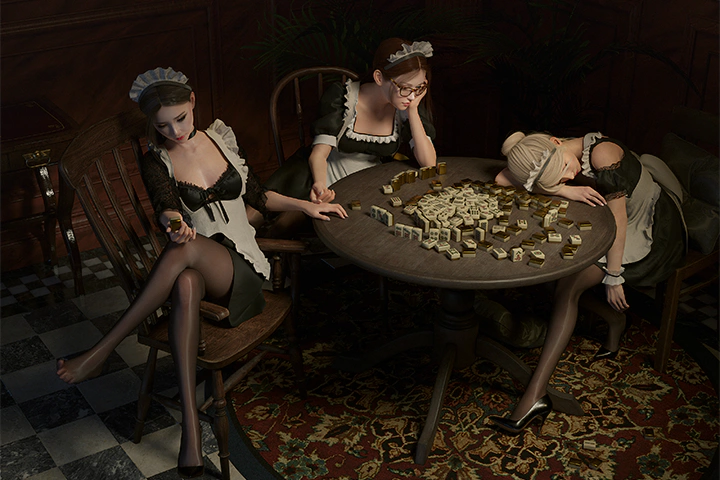
Moving beyond basic modeling, professional 3D character artists focus on imparting personality and realism through subtle details. Here’s how LouLL_AroLL elevates his work:
- Character Refinement Through Sculpting: Don’t just accept the default model. LouLL_AroLL demonstrates using Blender’s sculpt tools to add unique imperfections—like subtle asymmetries or character-defining features—that make a character feel more human and relatable. This process focuses on shaping the existing mesh rather than complex manual modeling.
- Texturing for Believability: Achieving realistic skin and clothing textures is a blend of art and technical skill. LouLL_AroLL guides viewers through creating custom makeup and texture details in Photoshop and Blender’s texture paint mode. He also shares methods for achieving convincing fabric folds and natural-looking clothing, drawing from observation and reference.
- Scene Composition with Narrative Intent: Every element in a scene should contribute to the story. LouLL_AroLL teaches how to build scene outlines using simple geometric primitives first, ensuring correct spatial awareness before diving into detailed modeling. He also emphasizes referencing filmmaking principles for camera placement and composition to create visual tension and guide the viewer’s eye.
💬 Frequently Asked Questions
Q. 3 Dcgartist LouLL_AroLL, I struggle with making my character’s clothing look natural. What’s your go-to technique?
LouLL_AroLL recommends using the 5-2-1 meter observation method when referencing real-world clothing. This involves looking at how fabric folds and drapes in five distinct ways, with two key areas of focus, and one overarching principle. they demonstrate how to simulate or reference these folds directly onto the character’s mesh in Blender to achieve a more convincing look.
Q. 3 Dcgartist LouLL_AroLL, how can I make my scenes more convincing without spending hours on complex prop modeling?
The secret is smart integration. LouLL_AroLL shows how to efficiently source and place pre-made props from libraries like Quixel, and even how to quickly model simple environmental assets using basic primitives. The key is to use these elements to enrich the narrative and atmosphere, rather than just populating the scene. Think about what story these props tell.
Q. 3 Dcgartist LouLL_AroLL, what’s the most important thing to focus on when it comes to lighting for character and scene realism?
LouLL_AroLL stresses that lighting is a storytelling tool. they advise focusing on how light interacts with surfaces to define form and mood. Referencing cinematic lighting setups, understanding basic key, fill, and rim lighting can dramatically enhance realism and guide the viewer’s emotional response to the artwork. Effective lighting, he notes, can truly transform a scene.