💡 Yatsurugi’s Essential 3D VTuber Modeling Tips
1. Master the Art of ‘Intent Translation’
When bringing a 2D character design into 3D, it’s crucial to understand and translate the designer’s intent. This isn’t just about matching shapes; it’s about capturing the character’s personality and atmosphere. Yatsurugi emphasizes focusing on modeling techniques that enhance the design’s appeal and finishing methods that preserve the original illustration’s mood. It’s not just about learning the technique — it’s about shifting how you think about bringing a 2D concept to life in 3D.
2. Streamline Your Workflow with Smart Practices
Yatsurugi employs a unique routine that significantly cuts down production time, especially in the crucial stages of topology and UV unwrapping. For instance, when dealing with complex outfits, Yatsurugi’s method of organizing layers and utilizing specific Blender add-ons for repetitive tasks can save hours. This approach focuses on efficiency without compromising the final quality, a hallmark of professional workflows.
3. The Finishing Touch: Refining Facial Expressions
The expert’s signature “one extra step” that elevates output quality often lies in the meticulous refinement of facial expressions. Understanding how to set up blend shapes or drivers for expressions in Blender, and then correctly exporting them for VRM, is key. Yatsurugi shares specific strategies for creating nuanced facial movements that make a VTuber character feel truly alive and engaging.
🛠️ Key Skills & Details That Define Professional Quality
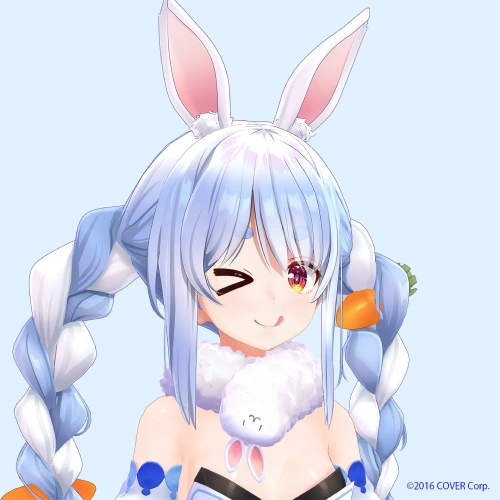 Moving beyond basic modeling, professionals focus on hands-on techniques that directly impact the final look and feel of a VTuber character. This involves a deep understanding of topology for clean deformation, efficient UV unwrapping for seamless texturing, and precise weight painting for realistic movement.
Yatsurugi’s course details how to translate the designer’s intent into a 3D model, focusing on specific techniques that maximize character appeal. This includes learning how to:
- Optimize mesh density for smooth animation.
- Create realistic materials and textures that match the original concept.
- Implement proper rigging and weight painting for natural character movement.
- Set up facial expressions that convey personality.
- Export to VRM format correctly for VTuber applications.
These practical tool skills and know-how are what professionals in this field rely on to elevate their output quality consistently.
💬 Frequently Asked Questions
Q. What is the most difficult aspect for those studying 3D VTuber modeling, and how does this course help address it?
A. 3D character modeling requires a balance of modeling skills, tool proficiency, design sense, and artistic understanding. It’s challenging to develop all these areas evenly. This course guides you through the entire workflow, from initial design concepts to a functional VRM model, helping you build the necessary skills and a professional mindset to overcome common hurdles.
Q. What was the most difficult part of your own learning journey, and what efforts did you make to overcome it?
A. As a self-taught 3D artist, I experienced an imbalance in my skills. It was difficult to find resources that truly improved model quality. To overcome this, I focused on becoming a professional, which allowed me to identify weaknesses and learn from industry experts. This course aims to provide that structured learning path, offering practical insights gained from real-world professional experience.
Q. What is the most important point when expressing through 3DCG for VTubers?
A. The most crucial aspect is remembering that 3DCG is a medium for expression. The character model is akin to a costume for the VTuber, representing their identity. As a modeler, your role is to support the talent, helping their virtual presence shine. Focusing on what you want to express and using 3DCG as a tool to realize that vision is paramount.