Mastering 3ds Max Game Animation: From Skill to Global Career
🧐 That Frustrating Moment When Your Animation Just Feels… Off
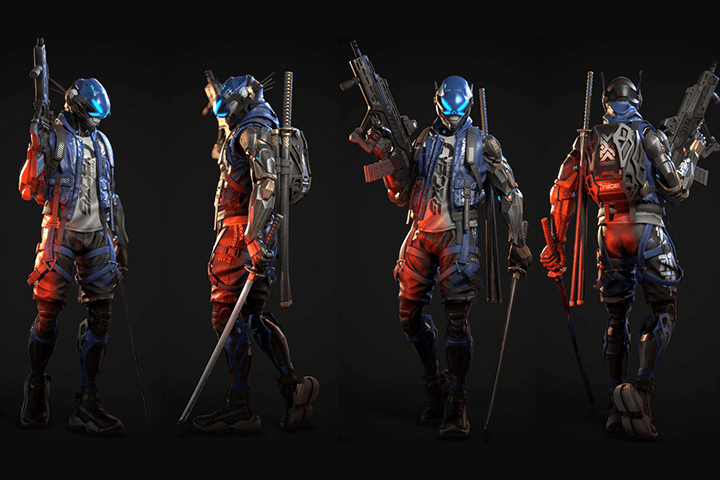 It’s easy to get caught up in the technicalities of 3ds Max, but often the final animation lacks that crucial polish. You follow all the standard procedures, yet the movement feels stiff or unnatural. The real gap isn’t always in mastering the software’s features, but in understanding the underlying principles that seasoned animators apply. This is where 19 years of industry experience provides a shortcut to professional-quality results.
💡 Three Core Pillars for Professional Game Animation
Here are three key takeaways distilled from extensive industry practice that will elevate your game animation workflow and career prospects.
1. The ‘Why’ Behind the Motion: Beyond Just Keyframes
This isn’t just about hitting pose-to-pose. It’s about understanding the weight, anticipation, and follow-through that make a character’s actions believable. Focus on the why behind each movement—what drives the character’s intention? This shift in perspective, focusing on narrative and physicality rather than just keyframe placement, is what separates amateur work from production-ready assets. Applying this to all 13 essential animation methods covered will drastically improve your output.
2. Workflow Hacks: Streamlining Your 3ds Max Process
For a 19-year veteran like Animator J, efficiency isn’t a luxury, it’s a necessity. A significant portion of the production process involves refining existing animations and ensuring consistency. This involves leveraging 3ds Max’s often-overlooked tools for rigging, skinning, and custom controllers. For instance, mastering the basics of biped and understanding advanced rigging techniques can cut down animation iteration time by as much as 30% for common tasks like walk cycles.
3. The Portfolio That Gets Noticed: Crafting Your Professional Narrative
A demo reel is vital, but it’s only one piece of the puzzle. Constructing a portfolio that truly impresses industry professionals requires more than just showcasing your best work. It means presenting it strategically. This involves tailoring your reel to highlight specific skills relevant to the jobs you’re applying for, and understanding how to articulate your process and problem-solving abilities during interviews. This is crucial for both domestic and international job markets.
🛠️ Key Skills & Details That Define Professional Quality
Moving beyond theoretical knowledge, professional game animation hinges on the practical application of techniques that ensure fluidity and impact. This involves a deep understanding of how to create essential in-game motions like walk cycles, run cycles, and impactful attack sequences. The practical demonstrations of 13 distinct animation production methods offer a detailed look into this process. You’ll learn not just how to animate a character, but how to animate it in a way that enhances gameplay and player immersion. This also extends to building a portfolio that clearly communicates your capabilities, from character movement to complex action skills, preparing you for the demands of major game productions.
💬 Frequently Asked Questions
Q. How can I improve my animation skills without formal training or a degree?
A. 3 Dgameanimator’s approach emphasizes practical, hands-on learning through demonstrations of 13 core animation production methods. By focusing on the detailed process and unique insights from a 19-year veteran, you can gain industry-level skills directly. Building a strong portfolio based on these practical techniques is key to showcasing your abilities.
Q. What are the most critical animation types for a game animation portfolio?
A. Essential animations include robust walk and run cycles, as well as weapon-specific skill motions and attack animations. 3 Dgameanimator stresses the importance of not just creating these motions, but refining them to a production-ready standard. Demonstrating versatility across different movement types and attack styles will significantly strengthen your portfolio for industry consideration.
Q. Is it possible to get a job in the overseas game industry with only domestic experience?
A. Absolutely. 3 Dgameanimator provides specific strategies and insights on leveraging domestic experience to enter international markets, even without study abroad credentials. This involves understanding global industry expectations and tailoring your application and interview approach accordingly, drawing from numerous real-world success and failure stories shared in the course.