Mastering Subculture Character Animation: From Basics to Game Engine
🧐 The frustration of uncanny valley subculture characters and the path to fluid animation.
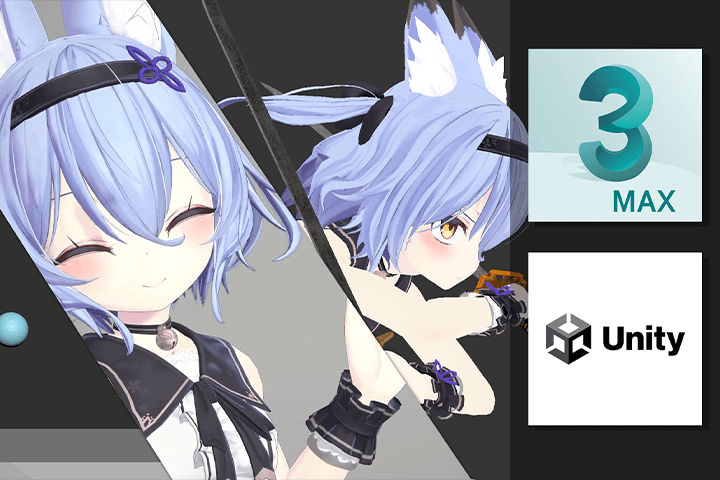 You meticulously rig, pose, and keyframe, yet your subculture-style characters still feel stiff or unnatural in-game. It’s a common hurdle when bridging stylized aesthetics with the demands of real-time engines. The solution often lies not just in mastering software, but in understanding the core principles that make exaggerated motion feel alive.
💡 3D Game Animator Yeongje Kim’s Core Animation Workflow Secrets
1. From Pose to Polish: Embracing Exaggeration
The essence of subculture character animation is amplified expression. Instead of aiming for pure realism, focus on the feeling of movement. This means exaggerating key poses, particularly the “inverted triangle silhouette” characteristic of many female characters, and emphasizing the flow of hair, skirts, and accessories. It’s not just about learning the technique — it’s about shifting how you think about motion as storytelling.
2. Workflow Efficiency: Mastering Your Tools and Shortcuts
In 3D game animation, time is critical. 3D Game Animator Yeongje Kim emphasizes mastering your 3ds Max interface and shortcut keys for a dramatic reduction in production time. This one tweak can seriously level up your output. For instance, understanding object creation and hierarchy early on prevents painful rework later. Dedicated practice with provided animation samples, like attack and skill cycles, helps internalize efficient posing and timing.
3. Bridging the Gap: Game Engine Integration for Real-Time Polish
Bringing your animation into a game engine like Unity is where the magic meets reality. The process of exporting animation files as FBX and then rendering them within the engine requires a specific workflow. Understanding how to import, set up, and test your animations in real-time is crucial. This ensures that the stylized motion you painstakingly crafted translates effectively and looks fantastic in the final game environment.
🛠️ Key Skills & Details That Define Professional Quality
Translating stylized character designs into dynamic in-game performances requires a deep understanding of foundational animation principles coupled with practical engine know-how. This course dives into the specific techniques that make subculture characters pop.
- Rigging & Skinning for Expressive Movement: Learning to plant bones and smoothly skin each body part and joint area is fundamental. This isn’t just about making a character move; it’s about enabling a full range of exaggerated, cartoonish expressions. Properly setting up your rig ensures that every stretch, squash, and follow-through feels natural within the stylized context.
- Pose Analysis and Creation: Understanding what constitutes a “good pose” is paramount. This involves analyzing reference and utilizing tools like the bi-pad effectively. Applying this theory means you’re not just posing randomly, but strategically crafting poses that convey personality and dynamism, especially for those signature character silhouettes.
- Practical Animation Cycles: The course provides 13 types of animation samples, broken down into ‘key pose - blocking - polishing - finishing’ stages for attacks, skills, and weight shifts. This step-by-step approach demystifies creating animations frequently used in actual games, allowing you to apply learned basics directly to your projects and build a compelling portfolio.
💬 Frequently Asked Questions
Q. How does 3D Game Animator Yeongje Kim ensure subculture-style characters look good in different game engines?
A. 3D Game Animator Yeongje Kim’s approach focuses on a systematic workflow for exporting animations from 3ds Max to game engines like Unity. This includes understanding FBX export settings and how to properly import and test animations within the engine to maintain their stylized appeal and fluidity.
Q. What are the essential animation basics that 3D Game Animator Yeongje Kim covers for beginners?
A. 3D Game Animator Yeongje Kim starts with the foundational 12 principles of animation, object creation, linking, and hierarchy. The course then progresses through rigging, skinning, and creating good poses, providing a solid learning path for those new to animation.
Q. How does 3D Game Animator Yeongje Kim’s course help in building a portfolio?
A. The course offers practical experience with 13 types of character animation samples, a step-by-step curriculum, and specific guidance on efficiently organizing and presenting animation results. This ensures that even beginners can create a portfolio showcasing subculture-style game characters.
👉 Want to Go Deeper?
Ready to move beyond the basics and animate characters that truly stand out in the gaming world? Explore the full curriculum and unlock the expert techniques that make subculture-style game animation shine.