VTuber Production: Mastering Communication for Flawless Character Creation
🧐 When your perfectly rigged character looks… off.
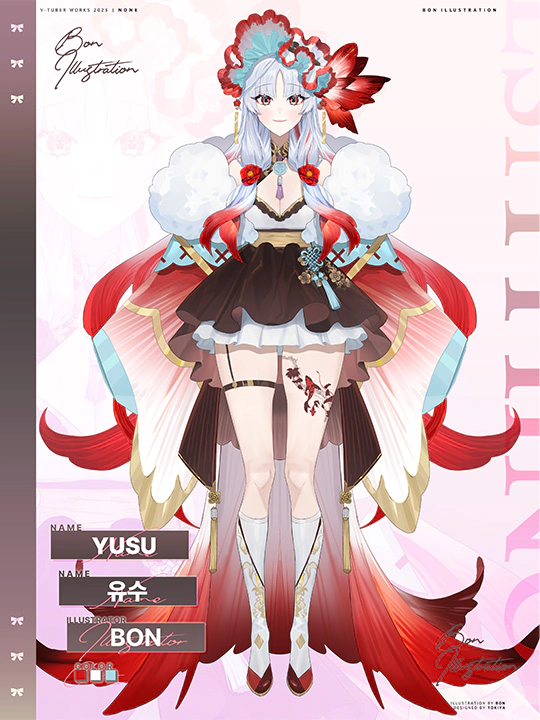 You meticulously separate every PSD layer, carefully assign deformers, and fine-tune parameters. Yet, when the character moves, something feels stiff, unnatural, or just not what you envisioned. It’s a common pitfall, and often, the root cause isn’t your rigging skill, but a breakdown in communication during the production pipeline. This guide dives into how to bridge that gap, ensuring your virtual characters hit the mark, every time.
💡 Three Pillars for Seamless VTuber Production Collaboration
1. Proactive Pre-Meeting: The Foundation of Clarity
Before any pixel is moved or any rigging begins, schedule a comprehensive pre-meeting. This isn’t just about discussing the brief; it’s about establishing a shared vision. For clients, clearly outline what information you need upfront, such as specific design references, mood boards, and functional requirements. For illustrators, discuss part separation feasibility and how the design translates into Live2D rigging. Document everything—notes from this meeting are your shield against future misunderstandings and your roadmap for revisions.
2. The Art of the Relaxed Deadline & Organized Data
Live2D rigging inherently requires time for meticulous work. Rushing the process often leads to quality compromises or missed deadlines. Propose a slightly more relaxed deadline than strictly necessary, always factoring in potential unforeseen issues. Equally crucial is meticulous data organization. When working with complex models, clearly naming and organizing deformers, ArtMeshes, and parameters from the start will save countless hours later. This foresight is critical for future updates, model maintenance, and even simple revisions.
3. Client & Collaborator Ecosystem Setup
Your work doesn’t end with the final delivery. For clients, offering a brief session to demonstrate the model’s setup within their broadcasting environment (like VTube Studio) is invaluable. This ensures they can utilize the character effectively, preventing post-debut regrets about stiffness or expression issues. When collaborating with illustrators, foster an environment where questions about modifications are not feared but welcomed. Clearly define the scope of revisions and preferred contact times to avoid awkwardness and ensure mutual respect, leading to a better final product for all.
🛠️ Key Skills & Details That Define Professional Quality
The difference between a good virtual character and a truly captivating one often lies in the subtle details and the workflow that supports them. Understanding the client’s vision is paramount. This means not just looking at the art, but grasping the character’s personality, the intended atmosphere, and how they’re expected to move. As a rigger, internalizing this information allows you to make informed decisions about the deformation and parameter setup, ensuring the rig truly embodies the character’s essence.
When communicating with illustrators, the conversation should go beyond technicalities. Discussing the character’s personality, the intended mood, and even how contrapposto might be applied during movement can profoundly impact your rigging approach. This level of detail helps align your work with the artist’s original intent, preventing a disconnect that could lead to a character that feels “off.” It’s about building a collaborative synergy where each party understands and respects the other’s contribution.
Furthermore, the ability to clearly organize project files is a non-negotiable professional standard. When you’re handed a PSD with potentially hundreds of layers, having a systematic approach to naming and grouping these assets prevents chaos. This applies directly to rigging within Live2D Cubism; understanding the relationships between deformers, ArtMeshes, and parameters, and keeping them logically structured, makes troubleshooting and future updates significantly more manageable. It’s the invisible foundation that supports a smooth and high-quality production.
💬 Frequently Asked Questions
Q. How can I ensure my rigging accurately reflects the illustrator’s character concept?
Q. What’s the most effective way to manage feedback and revisions with clients and illustrators?
Q. How important is organizing Live2D rigging files for future work?