💡 Unlock Pro-Level Backgrounds with These Core Principles
1. Mastering Perspective: Beyond the Basics for Immersive Worlds
The key isn’t just understanding vanishing points; it’s about applying them with intention. Concept artist Joonhyung Ahn emphasizes developing an accurate sense of perspective through both planar and stereoscopic measurements. This means actively practicing how perspective is constructed by the human eye and camera lenses, not just superficially copying. This focused approach, backed by years of industry experience, transforms how you build environments, leading to more believable and captivating spaces.
2. Color & Light Mastery: Crafting Atmosphere and Emotion
Illustrator Rojo stresses that efficient workflow hinges on a solid grasp of contrast, boundaries, and color theory. Instead of getting lost in rendering, knowing these fundamental concepts allows for quicker, more impactful decisions. Rojo shares practical tips from their routine, including useful resources, brushes, and even PSD file guides for coloring. This focus on foundational elements ensures your backgrounds aren’t just visually appealing but also emotionally resonant.
3. The Power of Observation: Elevating Your Concept Art Workflow
Concept artist J.C. Park highlights the critical skill of developing a clear concept and executing it efficiently. Their strength lies in creating high-quality concept art within tight deadlines, a crucial ability for working in demanding industries. Park’s guidance focuses on the practical application of fundamentals—contrast, coloring, and the subtle nuances of light—to build artwork that meets industry standards. Learning to reference and integrate these elements accelerates your own creative process, turning ideas into polished deliverables.
🛠️ Key Skills & Details That Define Professional Quality
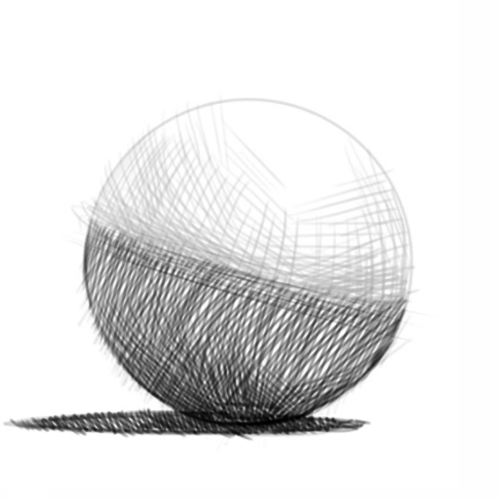
Moving beyond theoretical knowledge, this masterclass dives deep into practical application. You’ll learn to wield tools like Photoshop and Wacom Intuos effectively, mastering brush control and understanding pressure sensitivity for nuanced line work. Concept artist Joonhyung Ahn breaks down how to observe and draw lines, the very foundation of strong illustration, ensuring accuracy from simple shapes to complex structures. Illustrator Rojo then builds on this by teaching how to analyze and practically apply composition, value, perspective, and color theory, demonstrating how to create depth and atmosphere. Finally, concept artist J.C. Park shares workflows for efficiently developing concepts, integrating research, and executing detailed lighting that brings your environments to life. These are the hands-on techniques that transform good art into exceptional, industry-ready work.
💬 Frequently Asked Questions
Q. What is the most crucial takeaway from this masterclass regarding perspective?
Concept artist Joonhyung Ahn emphasizes that the core takeaway is developing an accurate sense of perspective through consistent practice of planar and stereoscopic measurements. This method ensures that perspective is applied correctly and efficiently, making environments feel more immersive and believable, which is vital for any background concept artist.
Q. How does this course help improve color and light application in background art?
Illustrator Rojo focuses on fundamental concepts like contrast, boundaries, and color theory. By sequentially going through lectures on composition, value, perspective, and color, and practicing them repeatedly, learners can significantly improve their ability to observe and evaluate paintings. This structured approach helps in creating visually striking and emotionally resonant artwork.
Q. What practical workflow advice does J.C. Park offer for concept artists?
Concept artist J.C. Park’s advice centers on developing a clear concept and executing it efficiently within project timelines. They share techniques for rapid concept development, effective reference gathering, and producing polished illustrations by leveraging a strong understanding of contrast, coloring, and lighting fundamentals. This is crucial for artists aiming to work in game, movie, or animation industries.