After Effects: Nail That Hand-Drawn FX Feel Without the Frustration
🧐 Your After Effects Explosions Still Look Too Digital?
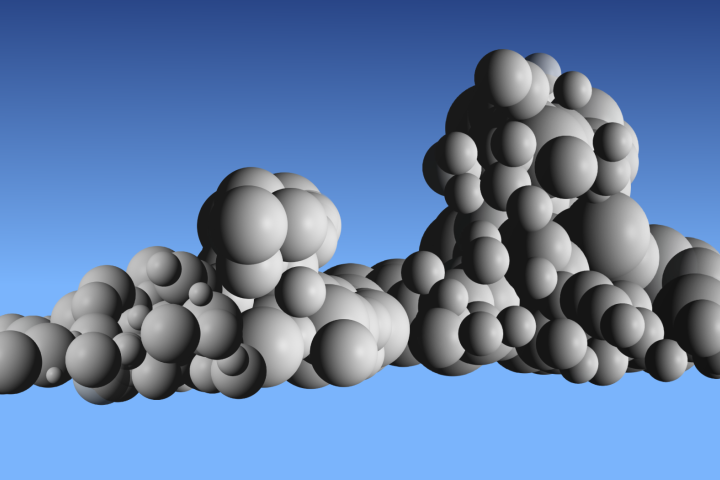 Ever follow a tutorial to the letter, only to find your effects lack that organic, hand-drawn spark? It’s a common roadblock for many animators. The digital slickness often masks the raw energy and unique personality that handcrafted visuals possess. The problem isn’t usually a lack of skill, but rather a missing piece in the workflow — a way to truly deconstruct and rebuild effects with intention.
💡 3 Core Principles for Authentic Hand-Drawn FX in AE
1. Master the Art of Deconstruction: Break It Down to Build It Up
It’s not just about learning the technique — it’s about shifting how you think about effects. Before you even touch After Effects, train your artist’s eye to dissect reference footage. Look for the fundamental shapes, the core light and shadow relationships, the material textures, and the essential color palettes. This analytical step is crucial for understanding why an effect feels the way it does, allowing you to truly replicate its essence rather than just its appearance.
2. Embrace Imperfection: The Beauty of AE’s Organic Flow
Break away from that sterile, overly-perfect digital feel. The real magic happens when you creatively blend AE’s powerful effects like Turbulence Displace and Fractal Noise with vector graphics. This isn’t about finding a magic preset; it’s about using these tools intentionally to mimic the organic flow, the distinctive brushwork, and the dynamic energy that defines hand-drawn animation. Think of it as guiding the digital tools to create artful imperfections.
3. The “One Extra Pass” for Polish: Synthesizing for Impact
Bringing everything together is where the shot truly comes alive. This is about more than just compositing; it’s about understanding how all the elements — shapes, textures, movement, and timing — interact. Animator SNOW LISA emphasizes the importance of a final synthesis stage, where you refine details like lighting, color, and motion to create a cohesive and striking final image that instantly grabs the audience’s attention. This focused final pass is often the difference between a good effect and a great one.
🛠️ Key Skills & Details That Define Professional Quality
https://cdn.day1company.io/prod/uploads/202512/144318-1787/example-animator-snowlisa-us-9.webp
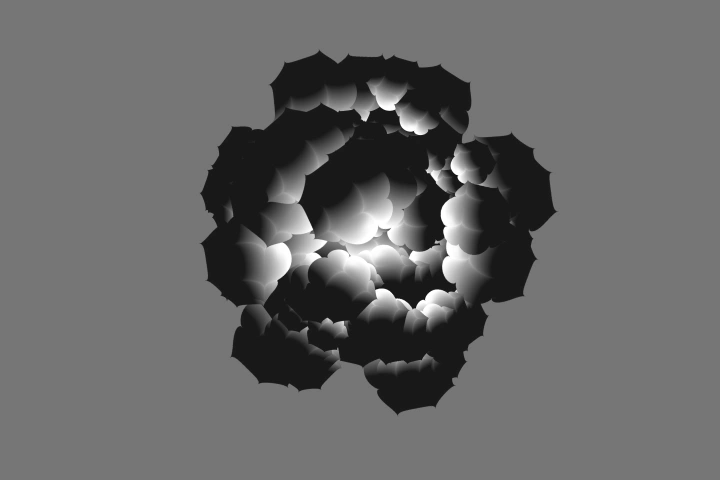
Achieving that professional, hand-drawn feel in After Effects goes beyond mastering individual tools. It’s about understanding the workflow and the subtle details that elevate your work.
- Analytical Observation: This is your foundation. Before animating a flame, understand its core shapes and how light interacts with it. This analysis informs every subsequent step.
- Targeted AE Effect Combination: Don’t just throw effects at the screen. Learn to combine Turbulence Displace, Fractal Noise, and other generators strategically. For instance, using Fractal Noise to create a base texture and then layering Turbulence Displace to animate its flow can yield incredibly organic results.
- Shape and Texture Manipulation: Hand-drawn effects often rely on distinct shapes and textures. Learn how to create these using masks, shape layers, and even importing hand-drawn assets. The key is to ensure these elements move and interact in a way that feels fluid and natural.
- Dynamic Motion & Timing: This is where the energy comes from. Pay close attention to the animation curves and easing. A slight hesitation, a quick burst, or a subtle drag can make a world of difference in conveying the intended feel. For example, animating bubbles requires a delicate touch with buoyancy and pop timing.
- Lighting and Color Nuances: Even stylized effects benefit from believable lighting and color. Understanding how light sources affect your animated elements and choosing a color palette that reinforces the hand-drawn aesthetic is crucial for depth and appeal. This is particularly important when compositing elements like clouds into a sky.
💬 Frequently Asked Questions
Q. How can an Animator break down complex hand-drawn effects in After Effects?
Animator SNOW LISA suggests a structured approach: First, meticulously analyze reference footage, identifying core visual elements like shape, texture, and movement. Then, deconstruct these into their basic components within After Effects, using tools to rebuild them piece by piece, focusing on capturing the original feel. This process involves understanding how to recreate specific elements like flames, clouds, explosions, and bubbles.
Q. What’s the most effective way for an Animator to achieve a non-digital, hand-drawn aesthetic in After Effects?
Animator SNOW LISA recommends moving beyond standard digital looks by creatively combining AE’s built-in effects. Instead of relying on presets, experiment with effects like Turbulence Displace and Fractal Noise, treating them as artistic tools to replicate the organic flow and unique brushwork found in traditional animation. This approach allows for a distinctive, expressive style.
Q. How does an Animator ensure their reconstructed effects look cohesive and professional?
Animator SNOW LISA advises focusing on the synthesis of all elements. After deconstructing and rebuilding individual components, the final step involves carefully integrating them. This means paying close attention to timing, lighting, color relationships, and overall composition to create a unified and striking final shot that captures the viewer’s attention.