💡 Three Core Strategies for Authentic 3D Anime Backgrounds
This course dives deep into Sangwoo Park’s proven methods for achieving that seamless blend of 3D quality and 2D anime charm. Here are the key takeaways:
1. Recreating the 2D Aesthetic with Blender’s Shader Nodes
The magic of anime visuals often lies in its stylized rendering, not photorealism. You’ll learn to harness Blender’s shader nodes to replicate that distinct 2D look. It’s not just about learning the technical function of each node; it’s about understanding how they interact to mimic hand-drawn lines, flat colors, and subtle gradients that define anime art. This approach allows for creating assets that feel cohesive with 2D characters, even within a 3D environment.
2. Streamlining Production with the Blender & Substance Painter Synergy
Forget manual, frame-by-frame processes. The real power comes from effectively combining Blender’s modeling and scene layout capabilities with Substance Painter’s advanced texturing and painting tools. This course emphasizes building an efficient workflow that leverages the strengths of both programs. You’ll discover how to transfer your 3D models and prepare them for detailed texturing, ultimately cutting down your production time significantly while maintaining high visual fidelity. This synergy is key to achieving professional-level speed and quality.
3. The Projection Mapping Advantage: Bringing 2D Images to Life in 3D
Transforming existing 2D artwork or reference images into dynamic 3D elements is a game-changer. Projection mapping, a widely adopted technique in the industry, is covered in detail. You’ll learn how to accurately map textures and details from 2D sources onto your 3D models, breathing life into static environments and ensuring visual continuity. This method is invaluable for quickly establishing mood and detail, especially when working with complex or stylized references.
🛠️ Key Skills & Details That Define Professional Quality
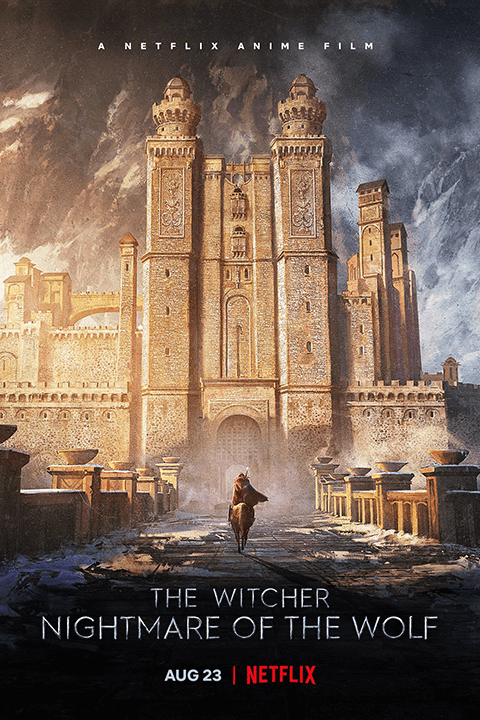 Achieving that industry-standard quality goes beyond simply knowing how to use the software. It’s about understanding the underlying principles and how to apply them practically.
- Shader Node Mastery: Move beyond basic node setups. This course focuses on the mathematical logic and creative application of shader nodes to achieve specific anime rendering styles. This includes understanding how to control diffuse colors, create stylized specular highlights, and implement NPR (Non-Photorealistic Rendering) shaders effectively.
- Texturing and Shading Nuances: In Substance Painter, it’s crucial to go beyond simple color application. Learn techniques for baking procedural details, creating hand-painted textures that mimic traditional art, and achieving specific material properties that align with the anime aesthetic. This includes mastering techniques for conveying material feel without relying on hyper-realistic PBR values.
- Lighting and Composition: The final presentation of your 3D background is heavily influenced by lighting and camera work. You will explore how to use Blender’s lighting tools, including HDRI environments and various light types, to set the mood and emphasize the key elements of your scene. Proper camera positioning is also critical for framing your backgrounds effectively, whether for animation, illustrations, or webtoons.
💬 Frequently Asked Questions
Q. How can a 3D Artist ensure their backgrounds maintain a 2D anime feel?
A. The key is to consciously replicate anime’s characteristic rendering style using tools like Blender’s shader nodes and careful texturing in Substance Painter. This involves studying anime art for its use of flat colors, stylized lighting, and linework, and then applying those principles within the 3D software, rather than aiming for photorealism.
Q. What is the most efficient workflow for a 3D Artist when combining Blender and Substance Painter for anime backgrounds?
A. The most efficient workflow typically involves creating clean base models in Blender, UV unwrapping them meticulously, and then exporting to Substance Painter for detailed texturing and painting. Post-texturing, the assets are brought back into Blender for scene assembly, lighting, and rendering. The course details specific techniques for seamless asset transfer and optimization between the two applications.
Q. Can a 3D Artist use projection mapping effectively for anime backgrounds even with limited 2D art skills?
A. Absolutely. Projection mapping is designed to utilize existing 2D images as textures. While artistic interpretation can enhance the results, the core technique involves mapping an image onto a 3D surface. This course teaches the fundamental application of projection mapping, allowing 3D artists to leverage readily available artwork or even photos to quickly establish detailed and atmospheric backgrounds that align with the anime style.
👉 Want to Go Deeper?
Ready to transform your 3D backgrounds and achieve that authentic anime look? Dive into Sangwoo Park’s comprehensive curriculum, covering every step from foundational techniques to advanced workflows.