Mastering BX Design: From Concept to Portfolio with Yongwoo Jeong
🧐 The Struggle to Define a Brand’s True Value
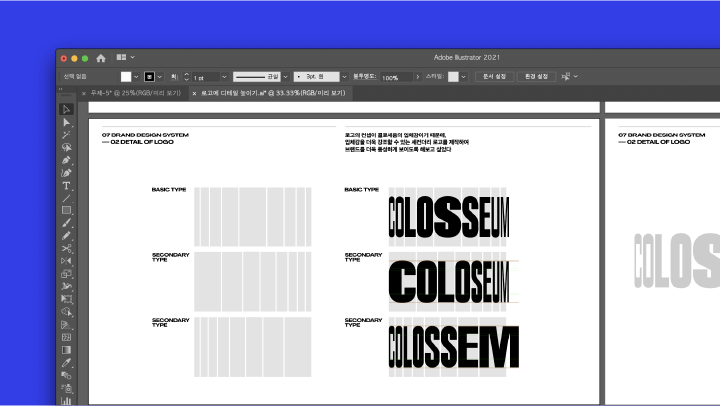 There’s a common pitfall in brand design: getting lost in aesthetics and forgetting the core business problem. The result? A design that looks good but doesn’t resonate or solve the actual challenges. It often boils down to a disconnect between creative vision and strategic business goals, leading to diluted brand identity and missed opportunities.
💡 3 Core Principles for Effective BX Design
1. Strategic Foundation: Beyond Pretty Pixels
It’s not just about learning the techniques; it’s about shifting your mindset to embrace a business-first approach. This means deeply understanding the company’s vision, target audience, and market position before diving into visual execution. A Brand Architecture Plan (BAP) isn’t just a document; it’s the blueprint that ensures your design decisions are strategically sound and problem-oriented, aligning creative output with business objectives.
2. Practical Workflow: Leveraging Real-World Expertise
Bxdesigner Yongwoo Jeong emphasizes a practical, process-driven approach, mirroring the workflows of in-house BX designers. This involves systematically applying learned concepts, from defining brand values and creating naming conventions to developing visual systems. The key is to move beyond theoretical exercises and engage in a full-cycle brand development process, akin to working with a real client, to build transferable skills.
3. The Empathy Edge: Designing for Human Experience
The most impactful brand design stems from understanding and empathizing with the user’s experience. Whether designing an office space or a digital service, the focus must be on the holistic journey of the stakeholders – employees, customers, or investors. This means anticipating needs, addressing pain points, and crafting experiences that not only look good but also facilitate connection, communication, and growth, embodying the core values of the brand.
🛠️ Key Skills & Details That Define Professional Quality
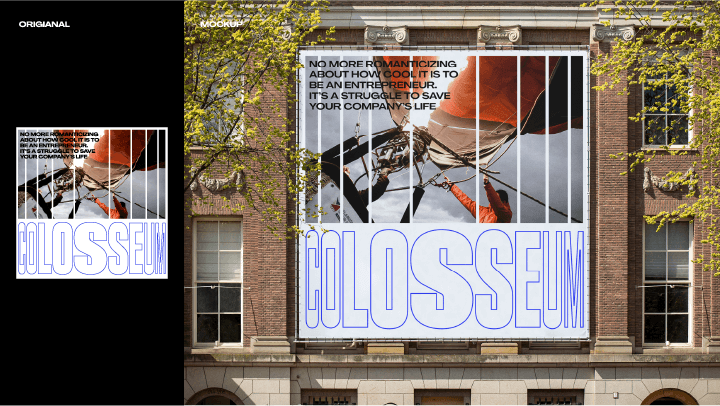
Professional BX design demands more than just aesthetic sensibility; it requires a deep understanding of strategic application and practical execution. This includes:
- Strategic Planning & Documentation: Creating robust Brand Architecture Plans (BAP) that map out brand identity, business models, and target audience needs. This forms the bedrock for all subsequent design decisions, ensuring alignment and purpose.
- Holistic Experience Design: Moving beyond individual touchpoints to design the entire user journey. For instance, approaching office design not just as a physical space but as an integrated experience that reflects company culture and facilitates employee well-being and external engagement.
- Systematic Visual Development: Developing cohesive brand elements, from typography and color palettes to graphic motifs and icon systems. This ensures consistency and scalability across all brand applications, reinforcing the brand’s core message.
- Problem-Solving Through Design: Critically evaluating whether design solutions address specific business or user challenges. This involves moving past “pretty work” to focus on measurable impact and effectiveness.
- Communication & Collaboration: Effectively translating strategic goals into tangible design outcomes and communicating the rationale behind design decisions to stakeholders, mirroring the collaborative environment of a professional BX team.
💬 Frequently Asked Questions
Q. How does Bxdesigner Yongwoo Jeong’s class bridge the gap between theoretical knowledge and practical application for aspiring brand designers?
A. Bxdesigner Yongwoo Jeong’s class is structured around a full-process approach, starting with strategic planning using tools like the Brand Architecture Plan (BAP) and moving through the creation of visual identity elements. This methodology mimics real-world agency or in-house work, allowing learners to not only grasp theoretical concepts but also apply them directly to tangible projects, thereby building practical, job-ready skills.
Q. What is Bxdesigner Yongwoo Jeong’s core philosophy on what makes a brand truly successful?
A. Bxdesigner Yongwoo Jeong emphasizes that true brand success lies in solving actual business problems and enhancing the user experience, rather than solely focusing on aesthetic appeal. They advocate for a design process that is deeply rooted in understanding the company’s strategic objectives, target audience needs, and the overall human experience, ensuring that design decisions are purposeful and impactful.
Q. How does Bxdesigner Yongwoo Jeong’s approach help individuals prepare for a career in BX design?
A. Bxdesigner Yongwoo Jeong’s curriculum is designed to equip aspiring BX designers with a comprehensive skill set, covering everything from foundational planning and creative execution to portfolio development and career advice. By simulating real-world project workflows and emphasizing the practical application of design principles, the course aims to make individuals more competitive in the job market and better prepared for the challenges and opportunities within the BX field.