💡 Mastering the Art of Fantasy Concept Art: 3 Expert-Driven Insights
1. Beyond Fundamentals: Orchestrating Visual Elements for Impact
This isn’t just about knowing perspective or anatomy; it’s about strategically arranging those elements. Think of it as conducting an orchestra. You need to master how to organize visual components to create dynamic and beautiful compositions that guide the viewer’s eye exactly where you want it to go. It’s about understanding the narrative weight of each shape and color.
2. Streamlining the Creative Flow: Rapid Thumbnailing and Iteration
A professional workflow often hinges on speed and efficiency during the early stages. Instead of getting bogged down in single ideas, dedicate time to rapid thumbnail exploration using new composition types. This allows for a wide range of possibilities to be quickly visualized and evaluated. Practicing turning your initial ideas into actual artworks through this iterative process is key to finding the strongest concepts before committing to a final piece.
3. The Devil’s in the Details: Advanced Rendering and Material Distinction
Elevating your work from good to great often comes down to the final polish. This involves a meticulous focus on rendering techniques that bring out the distinct qualities of different materials. Mastering atmospheric rendering and achieving believable material distinction are crucial skills that discerning studios actively seek. It’s about understanding how light interacts with surfaces and how to convey that accurately in your artwork.
🛠️ Key Skills & Details That Define Professional Quality
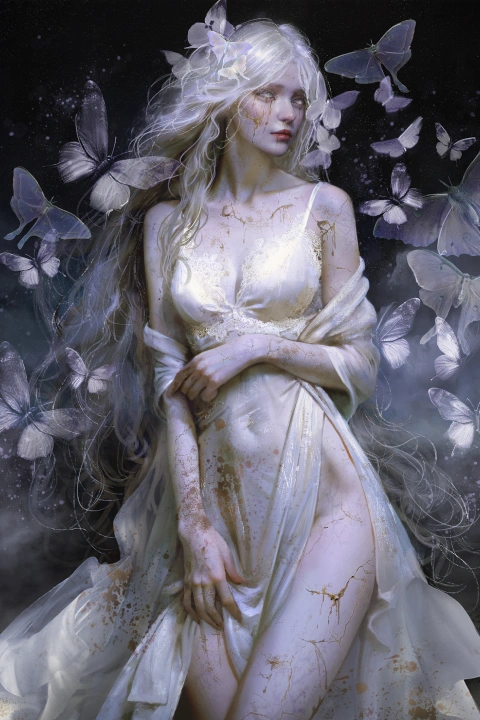
https://cdn.day1company.io/prod/uploads/202411/085735-1093/portfolio-conceptartist-liableedingsun-us-02.webp Moving beyond basic digital painting techniques requires a deeper dive into specific applications within your software. For instance, truly mastering advanced Photoshop features for visual effects allows you to add dynamic elements without relying on 3D software. This means understanding how to manipulate brushes, layer styles, and blending modes to create believable fire, smoke, or magical glows that enhance your 2D artwork. Furthermore, developing the skill to accurately draw animals and design unique creatures requires not just observational skill, but an understanding of underlying structure and speculative anatomy. This translates directly into more believable and engaging fantasy characters and environments. Finally, the ability to self-evaluate your illustrations and current skillset is paramount. Learning to plan a roadmap for improvement ensures continuous growth, turning critiques into actionable steps for refinement.
💬 Frequently Asked Questions
Q. As a Concept Artist, how can I effectively organize visual elements for stronger compositions?
Concept Artists should prioritize understanding the narrative goal of their piece. Then, they can use techniques like establishing a clear focal point, creating visual rhythm through repetition and variation, and employing principles of balance and contrast to guide the viewer’s eye. Experimenting with different thumbnail compositions is a critical step to explore these arrangements before detailed rendering.
Q. As a Concept Artist, what are some advanced Photoshop techniques for adding visual effects (VFX) to 2D art?
Concept Artists can leverage advanced Photoshop features by mastering custom brush creation for specific effects like fire or smoke, utilizing layer styles and blending modes (such as Screen, Overlay, or Add for glowing effects), and employing adjustment layers for color grading and atmospheric effects. Learning to paint over these effects with a focus on light interaction will further enhance their believability.
Q. As a Concept Artist, how can I practice turning my imaginative ideas into polished illustrations?
Concept Artists should embrace iterative workflows. Start with quick thumbnail sketches to explore multiple compositional and design ideas. Once a strong concept is chosen, create a rough blocking and value study. Then, gradually refine the details, focusing on accurate rendering of materials and lighting. Self-evaluation at each stage is crucial for identifying areas needing improvement before proceeding to the final illustration.