🛠️ Key Skills & Details That Define Professional Quality
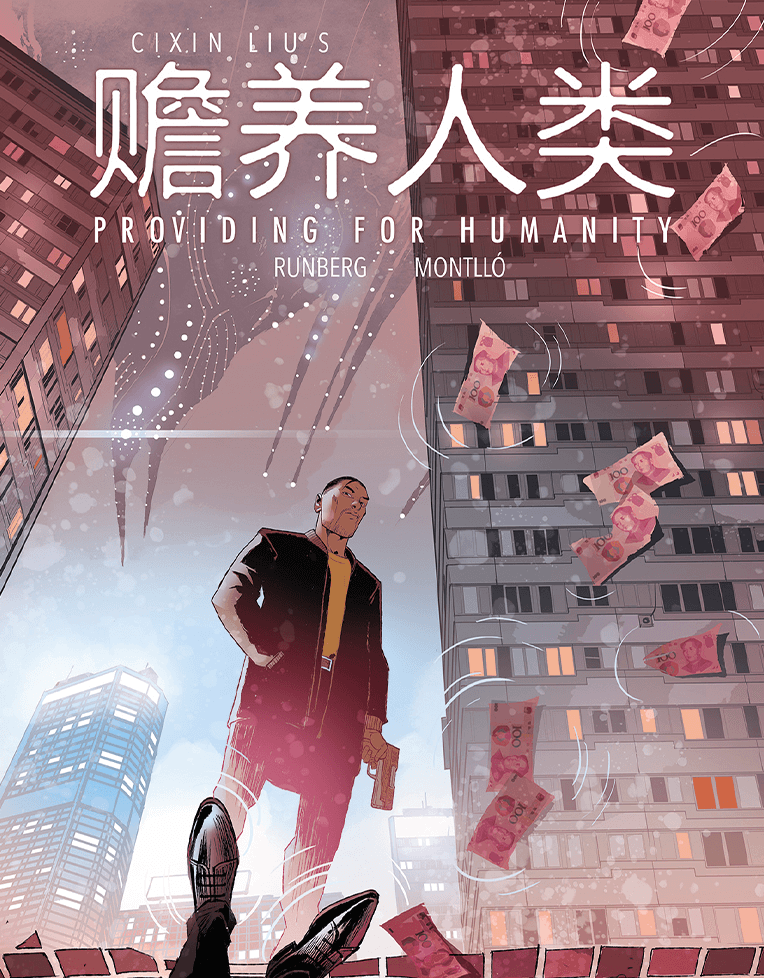
To achieve professional-level comic pages, focus on these hands-on techniques:
- Script Analysis & Storyboarding: Montllo’s approach stresses a deep dive into script interpretation. This involves understanding basic units like pages and sequences, and actively creating a storyboard template to map out each scene. Prioritizing essential information for each panel is key, and Montllo offers insights into deciding what to draw and what to imply, avoiding unnecessary detail that can clutter the page.
- Character Design & Expression: Beyond basic anatomy, Montllo teaches how to design compelling characters that are intrinsically linked to their narratives. This includes understanding how to convey diverse emotions through nuanced facial expressions and expressive body language. Their method of using self-photography for reference and then transforming it into a character’s unique look is a powerful tool for creating believable figures.
- Page Composition & Inking: Mastering page composition is vital. Montllo breaks down concepts like the Z-scheme for reading sense, the strategic use of panel sizes, and the importance of timing. They also delve into inking techniques, discussing different styles, ink distribution, and the use of black and white to enhance storytelling and create visual impact. Learning these techniques helps in creating pages that are not only visually appealing but also effectively guide the reader’s eye.
- Coloring & Lighting: The course covers the fundamentals of color theory in comics, focusing on how palettes can evoke emotions and serve as a narrative tool. Montllo guides through the coloring process, from flatting to applying lighting and rim lights, explaining how these elements integrate characters into their backgrounds and enhance the overall mood.
💬 Frequently Asked Questions
Q. Comicartist, how can I effectively translate a script’s mood into visual elements like color and lighting?
Comicartist Miki Montllo emphasizes understanding color theory’s three pillars and using complementary and tertiary palettes strategically. They also demonstrate how to apply light to characters and backgrounds to enhance the narrative and mood, making light a crucial storytelling tool.
Q. Comicartist, what’s the best way to maintain a unique artistic style while adapting to different market demands in the comic industry?
Comicartist Miki Montllo’s approach focuses on developing strong foundational skills in character design and page composition. By understanding narrative needs and applying their unique insights into visual storytelling, artists can infuse their personal style into any project while meeting industry standards. Their emphasis on “keeping your originality” while adapting techniques is central to this.
Q. Comicartist, how important is a storyboard template for a smooth workflow?
Comicartist Miki Montllo strongly advocates for using a storyboard template. It helps visualize scene progression and panel flow efficiently, allowing for quick iteration on panel arrangements and pacing. This structured approach streamlines the transition from script to comic page, saving significant production time.
👉 Want to Go Deeper?
This course offers a comprehensive look at the comic creation process, from initial script interpretation to the final colored page.