💡 3 Core Principles for Dynamic Comic Pacing
1. Rhythm is King: Aligning Panels with Reader Perception
The core of engaging comics isn’t just what you draw, but how you lead the reader’s eye. This principle involves understanding that each panel transition creates a micro-rhythm. Instead of just drawing panels, actively design the pace between them. Think about how long a reader dwells on a single panel versus how quickly they flip to the next. This isn’t just about panel count; it’s about emotional beats and information delivery. This one tweak can seriously level up your output.
2. Format-Specific Storyboarding: Adapting to the Medium
Different comic formats demand distinct approaches to pacing and layout. What works for a quick social media 4-panel strip will feel jarring in a vertical webtoon, and vice-versa.
- 4-Panel Comics: Focus on a punchy setup, build, and payoff within a very short sequence. Every panel must serve a direct purpose.
- Webtoons: Leverage the vertical scroll for sustained tension or dramatic reveals. Pacing here is about controlling the drip-feed of information and visual impact over a longer, continuous flow.
- Flip Comics: Utilize the physical act of flipping pages to create surprise or build anticipation. The transition between physical pages is a key pacing element.
3. Visual Narrative over Pure Action: The Power of Implied Motion
Often, the most impactful moments aren’t directly shown but are implied through panel transitions and character expression. This means your storyboard doesn’t just map out what happens, but how the reader feels it happening. Focus on the moments between the action: a character’s contemplative pause, a subtle shift in expression, or the lingering effect of a previous panel. This detail elevates a good story into a truly immersive experience.
🛠️ Key Skills & Details That Define Professional Quality
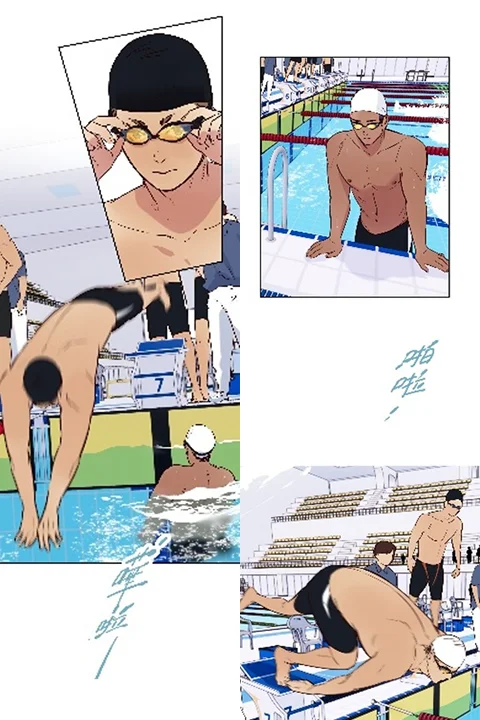
To translate these principles into actual work, it’s about mastering the nuances of panel construction and flow.
- Layout for Flow: Think about the “eye line” across panels. How does the reader’s gaze naturally move? Utilize leading lines and character gazes to guide them through the sequence efficiently. For vertical formats, this means considering the downward scroll and how to create engaging “read-through” moments.
- Pacing with Panel Size & Shape: Larger panels can slow down the pace, allowing for detail or emotional impact. Smaller, quicker panels can accelerate the narrative. Experiment with this dynamic to control the reader’s experience.
- Emotional Resonance in Every Cut: Even in a static panel, consider the “cinematography.” What’s the angle? What’s the implied camera movement? This visual language, drawn directly from film theory, helps infuse emotion and narrative depth into static images, making your storyboards far more effective.
💬 Frequently Asked Questions
Q. How does Comicartist Rilun adapt pacing for different webtoon formats?
Comicartist Rilun emphasizes that pacing is not one-size-fits-all. For 4-panel comics, the focus is on a rapid setup-punchline structure, maximizing impact in minimal space. Webtoons leverage the vertical scroll for sustained tension and gradual reveals, controlling the reader’s descent. Flip comics use the physical page turn as a deliberate pacing device for surprise or anticipation.
Q. What’s the most common mistake beginners make with storyboarding according to Comicartist Rilun?
A common pitfall Comicartist Rilun identifies is focusing too much on the drawing itself, rather than the narrative flow and pacing between panels. Beginners often treat each panel in isolation. The real magic happens in the transitions: how one panel leads to the next, controls the reader’s eye, and builds emotional rhythm.
Q. Can Comicartist Rilun’s techniques be applied to non-webtoon comic styles?
Absolutely. While the course focuses on 3 major webtoon formats, the fundamental principles of visual storytelling, pacing, and layout that Comicartist Rilun teaches are universal. Understanding how to control reader experience through paneling is crucial for any comic artist, regardless of the final output format.