💡 Key Takeaways from Manga Artist Sato: Your Roadmap to Success
Manga Artist Sato’s expertise provides actionable strategies for aspiring creators. Here are three core principles that can significantly elevate your manga production:
1. Mastering Line Art for Immersive Impact: The Foundation of Depth
Sato emphasizes that line art is more than just outlines; it’s the primary tool for conveying mood, texture, and depth in traditional manga. The core principle here isn’t just about drawing clean lines, but about intentionality. Understanding how varying line weight affects visual perception and emotional resonance is key.
- Tip: Experiment with different pen pressures and line thicknesses to differentiate between foreground and background elements, or to emphasize character emotions. A thicker line can ground a character, while a thinner, more delicate line might suggest fragility or distance.
- Expert Insight: “It’s not just about learning the technique — it’s about shifting how you think about lines as a storytelling tool.” Sato stresses that consistent practice in applying these variations can transform a flat illustration into an immersive experience.
2. The Power of Workflow: Efficiently Structuring Your Manga Creation
Professional manga artists don’t just draw; they manage their workflow meticulously. Sato’s approach highlights the importance of a structured process to meet deadlines and maintain quality.
- Sato’s Signature Routine: Sato utilizes a clear workflow that involves dedicating specific days to distinct tasks. For instance, after storyboarding, the focus shifts immediately to background sketching and inking, followed by panel arrangement. This compartmentalization prevents creative burnout and ensures steady progress.
- Tool Usage: Utilizing digital tools like Clip Studio Paint effectively is crucial. Sato demonstrates how to set up files correctly for print specifications (like B4 paper size) and manage multiple pages efficiently, ensuring that elements like the glue area for binding are kept clear in the layout.
3. The Finishing Touch: Directing for Reader Engagement
Beyond drawing skills, effective manga directing is what truly captivates readers. Sato advocates for a “reverse-analysis” approach, learning from existing professional works.
- The Fix: Analyze the panel flow, composition, and pacing of published manga. Sato specifically mentions reverse-analyzing her own published works to illustrate how to create impact through panel sequencing and visual storytelling. This hands-on analysis allows for a deeper understanding of how to guide the reader’s eye and emotional journey.
- Why It Works: By dissecting successful manga, you internalize the principles of visual narrative. This process helps you develop an intuitive sense for directing, enabling you to communicate your story’s intent more effectively, even without dialogue.
🛠️ Key Skills & Details That Define Professional Quality
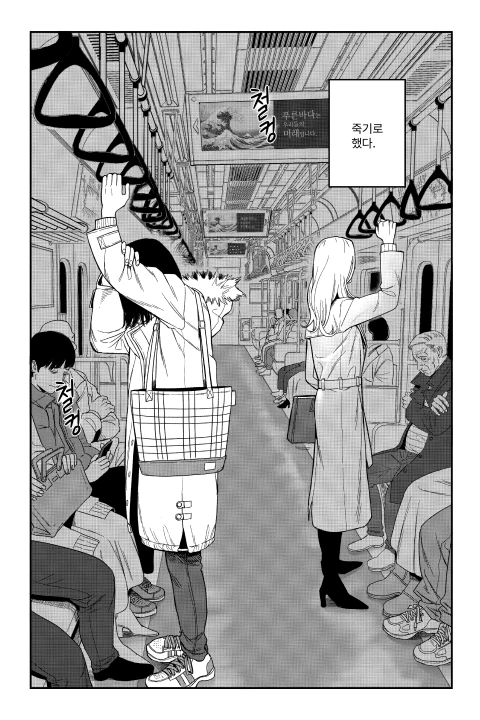
Elevating your manga from amateur to professional requires mastering specific technical skills that directly translate into visual quality and reader engagement. Manga Artist Sato’s course delves into these practical aspects:
- Line Art Precision: Focus on controlling line weight dynamically. This involves understanding how subtle variations can create a sense of depth, texture (for materials like fur or fabric), and volume for characters. Practicing with digital brushes that mimic traditional pen pressure is essential.
- Screentone and Inking Application: Learn the nuanced application of screentones to enhance shading and mood, and how to balance ink work with screentones. This includes understanding the role of negative space and the proportional use of ink to avoid visual clutter while maximizing impact.
- Efficient Background Creation: For professionals, backgrounds are crucial but time-consuming. Sato shares techniques for speeding up background production without sacrificing quality. This involves leveraging tools like SketchUp for 3D modeling, using photos as references, and employing digital tracing for efficient incorporation into the manga panel. This skill is vital for meeting tight deadlines in the professional industry.
- Manga Directing Fundamentals: Understand the building blocks of directing – from panel composition to page layout. Sato’s method of reverse-analyzing existing works helps illustrate how to sequence panels to control pacing, build suspense, and deliver emotional beats effectively. Applying these principles to create short, impactful manga sequences is a core takeaway.
- Webtoon Adaptation Skills: Explore how to adapt traditional manga styles for the webtoon format. This involves understanding vertical scrolling, panel pacing for digital readers, and applying webtoon-specific layouts to enhance the reading experience.
💬 Frequently Asked Questions
Q. Mangaartist, what are the main differences between traditional manga and webtoons that I should be aware of?
Mangaartist, traditional manga relies on page-by-page reading with emphasis on panel composition and artistic line work for storytelling. Webtoons, on the other hand, are designed for vertical scrolling on digital devices, requiring a different approach to pacing, panel arrangement, and often utilizing color or detailed backgrounds more prominently to maintain reader engagement. Sato’s class focuses on traditional manga techniques.
Q. Mangaartist, how can I effectively use line weight to improve my drawings’ depth and expressiveness?
Mangaartist, line weight is crucial for creating depth. Use thicker lines for foreground elements and characters to make them appear closer, and thinner lines for background elements to suggest distance. Experiment with varying line thickness within a single character or object to define form, shadow, and texture. This intentional use of line weight can significantly enhance the immersive quality of your artwork.
Q. Mangaartist, what’s the most practical way to approach manga directing for beginners?
Mangaartist, Sato’s approach emphasizes reverse-analysis. Start by selecting manga you admire and break down how the artist guides the reader’s eye from panel to panel. Pay attention to camera angles, character placement, and the use of empty space. Practicing by re-drawing short sequences from these professional works, focusing solely on the directing aspect, is a highly effective way to build this skill.