🛠️ Key Skills & Details That Define Professional Quality
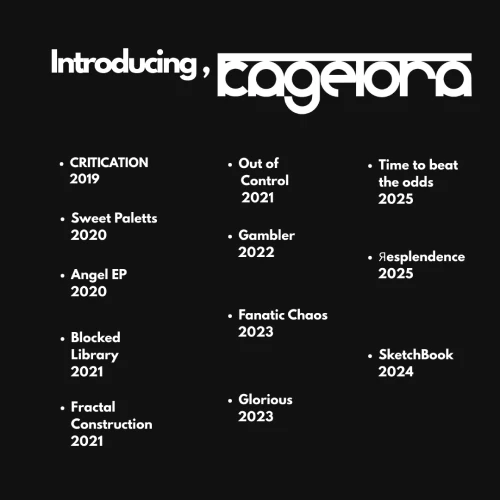
Achieving professional-level Hi-Tech Full On tracks goes beyond basic song structure. It’s in the granular details:
- Melody Refinement: Inputting the core melody is just the start. The real magic happens when you refine subtle nuances, like micro-timing adjustments and velocity shaping, to give your melodies a human, yet precise, feel. This is especially vital for arpeggio-style patterns.
- Harmonic Depth: Programming arpeggios and layering harmonies effectively can transform a simple melody into a captivating hook. Explore common chord progressions and key changes that fit the genre’s high-energy aesthetic.
- Sound Design & Layering: Understand how signature sounds are built. Composer Kagetora walks you through the exact plugins, sound sources, and processing chains used in released tracks. This includes learning how to recreate and customize sounds using tools like Serum, and managing sample packs efficiently with Halion 7 or KONTAKT.
- EQ & Frequency Management: Trimming unnecessary frequency ranges and boosting crucial ones is fundamental. Mastering master EQ allows you to achieve appropriate balance across your entire mix, ensuring no muddy low-ends or harsh highs.
- Spatialization: Creating a sense of width and depth is key. Experiment with various reverb and delay patterns. Don’t be afraid to intentionally pan everything back to the center once to establish a reference, then strategically reposition elements to build a well-defined stereo field.
- Structural Awareness: Song structure for rhythm games often needs to consider time constraints and gameplay flow. Learning how to structure your tracks with specific sections in mind, like build-ups to impactful drops, is crucial for chart-readiness.
💬 Frequently Asked Questions
Q. How can a beginner composer start creating Hi-Tech Full On music for rhythm games? A. Composer Kagetora suggests starting with a deep analysis of existing rhythm game tracks. Break down song structures, bass patterns, and melodic approaches. Then, focus on building a solid rhythmic foundation with precise basslines and drum programming before layering melodies and harmonies.
Q. What are the most important plugins or tools for producing this genre? A. While specific plugins are detailed in the course, key areas of focus include powerful synthesizers for sound design (like Serum), samplers for managing and manipulating audio (like Halion 7 or KONTAKT), and versatile effects processors for EQ, compression, reverb, and delay to achieve a polished, wide, and deep mix.
Q. How can I make my rhythm game tracks sound distinct and professional, not just generic electronic music? A. The distinction comes from understanding the specific demands of rhythm games. This includes crafting extremely tight grooves, designing sounds that cut through a mix at high tempos, and structuring tracks with clear build-ups and impactful drops that align with gameplay. Composer Kagetora’s methods focus on this precise adaptation of electronic music principles for interactive entertainment.