Mastering Cinematic Composition: Brandon Liao’s Secrets for Visual Storytelling
🧐 Frustrated with Scenes That Fall Flat?
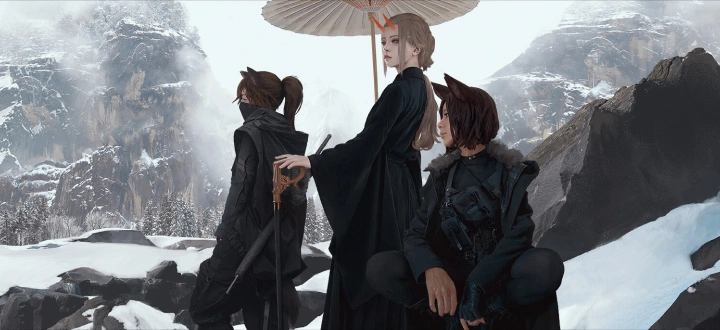 You follow every step, yet the result still looks off. The magic isn’t quite there. Maybe your characters feel disconnected from their environment, or the scene lacks that captivating pull. It turns out the fix often lies in understanding how to expertly control space and objects for that cinematic feel.
💡 3 Pro Tips from Concept Artist Brandon Liao
1. Master the Art of Visual Hierarchy: Directing the Viewer’s Eye
The core of cinematic illustration is guiding attention. It’s not just about learning techniques like composition and lighting; it’s about shifting how you think about why your audience looks where they do. Learn to make deliberate, impactful decisions about composition, mood, and spatial flow, ensuring every element serves the narrative. Evaluate visual hierarchy as you work, not after endless revisions.
2. Streamline Your Workflow: Speed Without Sacrificing Impact
Inefficient visual information can lead to misinterpretation and wasted time. Brandon Liao emphasizes mastering digital tools to expedite your process. Discover techniques that allow you to get ideas down fast, break down photos for details, and iterate colors and lighting efficiently. This means more time focusing on narrative, intent, and mood.
3. The “Intentional Detail” Polish: Bringing Characters to Life Within the Scene
It’s about making characters feel like an integral part of the environment, not just placed on top of it. Learn how to use props, lighting, and subtle atmospheric cues to hint at story and history. This “intentional detail” ensures your subjects seamlessly blend into their world, rewarding a closer look and deepening the viewer’s immersion.
🛠️ Key Skills & Details That Define Professional Quality
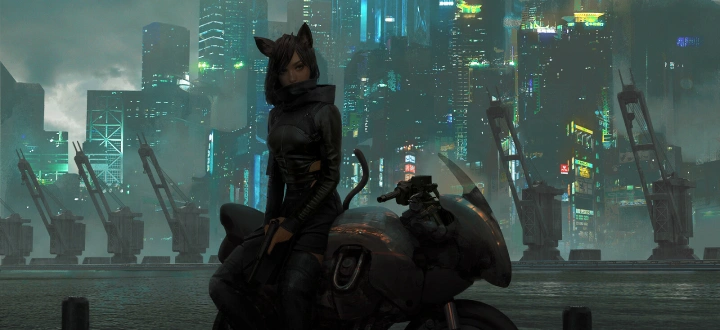
To achieve that professional, cinematic look, focus on hands-on techniques that build a strong foundation. This means mastering brush control for subtle value shifts, understanding how to use adjustment layers for quick color and lighting iterations, and applying photobashing methods to integrate elements seamlessly. The goal is to make your subjects feel truly present within the scene, enhancing the overall visual storytelling.
💬 Frequently Asked Questions
Q. How can a Concept Artist use composition to make characters stand out?
A. Concept Artist Brandon Liao stresses the importance of visual hierarchy. By carefully considering foreground, midground, and background elements, along with strategic lighting and color placement, you can naturally draw the viewer’s eye to your characters, making them the undeniable focal point of the scene.
Q. What’s the most efficient way to achieve a cinematic mood in an illustration?
A. The key is intentionality in every step. Concept Artist Brandon Liao advises focusing on streamlining your workflow to quickly establish the core mood and lighting. This involves mastering tools for rapid iteration of colors, values, and atmospheric effects, ensuring your scene feels immersive from the initial sketch.
Q. Why is understanding space and depth crucial for professional concept art?
A. Concept Artist Brandon Liao explains that mastering space and depth is fundamental to visual storytelling. It allows you to create immersive environments where elements feel truly present and related. By controlling the viewer’s eye through deliberate composition, you can convey narrative and emotion effectively, making your artwork more compelling.