Mastering Semi-Realism: Classical Painting Techniques for Fantasy Art
🧐 Ever feel like your fantasy art is missing that certain “oomph,” that believable depth?
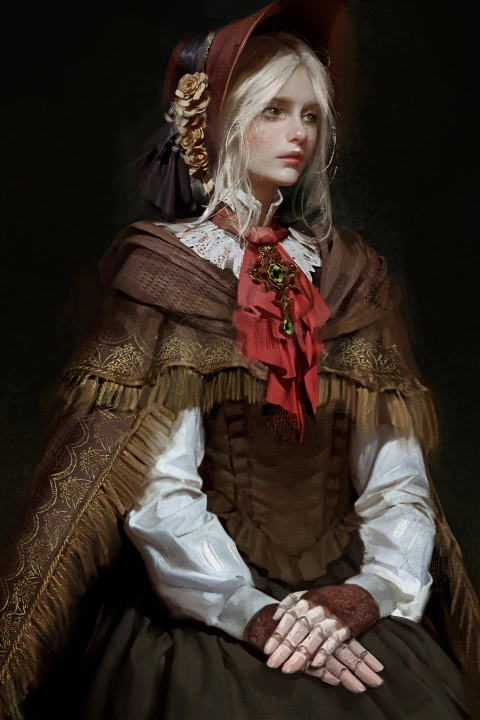 Getting that rich, textured feel of traditional oil paintings into your digital work can feel like a constant uphill battle. It’s not about having the most complex brushes; it’s about understanding the foundational principles that make classic art so captivating. Many struggle to bridge the gap between fundamental drawing skills and the polished finish seen in professional concept art.
💡 Three Pillars for Authentic Fantasy Artistry
1. Deconstruct and Rebuild: The Foundation of Form
It’s not just about learning a technique — it’s about shifting how you think about form. This approach emphasizes breaking down complex subjects, whether characters or landscapes, into their most basic geometric shapes. Understanding anatomy and form at this fundamental level allows for greater accuracy when studying references. By consistently capturing the right values, you establish the illusion of three-dimensional forms, defining light and shadow to convey depth and mood effectively. This core principle ensures that your creations possess a tangible presence, regardless of the fantasy elements you incorporate.
2. Workflow Alchemy: Traditional Techniques, Digital Speed
Concept Artist Lia (Bleeding Sun) shares a workflow that dramatically cuts down production time by adapting time-tested traditional painting methods for digital tools. This involves utilizing custom brush packs designed to mimic traditional media textures and learning how to effectively combine layer modes, gradient maps, and adjustment layers in Photoshop. The expert’s routine focuses on efficient rendering of materials like fabrics and skin, making complex textures achievable without laborious manual work. This method ensures that even intricate details contribute to a cohesive, painterly aesthetic.
3. The Old Masters’ Touch: Achieving Timeless Color and Rendering
This technique focuses on reproducing the captivating colors and textures found in classical paintings. Lia (Bleeding Sun) reveals methods similar to those used by the old masters, such as glazing and underpainting, to create a timeless look and feel. Mastering different types of lighting and color theory is paramount. The focus is on rendering diverse materials with realistic textures, enhancing the artwork’s visual impact and emotional resonance. This “finishing detail” step is what elevates digital art from merely good to truly evocative.
🛠️ Key Skills & Details That Define Professional Quality
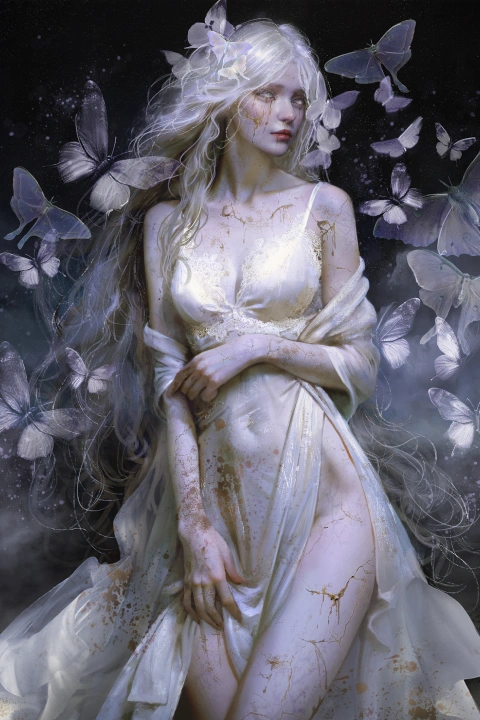
This course delves into practical skills that elevate your output beyond basic rendering. It’s about understanding how to translate theoretical knowledge into tangible results on screen. For instance, mastering brush control and pressure dynamics is crucial for achieving the varied strokes and subtle nuances that mimic traditional media. The emphasis is on efficient workflow management, a cornerstone of professional concept art, ensuring that even complex fantasy worlds can be built systematically.
You’ll learn to:
- Analyze and Simplify Form: Break down anatomy, clothing folds, and environmental elements into manageable shapes for accurate depiction.
- Master Value and Lighting: Consistently capture correct values to build believable form and atmosphere, guiding the viewer’s eye.
- Render Diverse Materials: Develop techniques for realistically depicting fabrics, skin, metals, and other surfaces, adding tactile quality to your art.
- Leverage Photoshop’s Power: Utilize layer modes, gradient maps, and adjustment layers for sophisticated color and mood control, emulating classical painting effects.
- Build Immersive Worlds: Apply principles of perspective and composition to create captivating fantasy landscapes and environments.
💬 Frequently Asked Questions
Q. As a Concept Artist, how can I improve my understanding of anatomy for fantasy characters without getting lost in overly technical details?
Concept Artist Lia (Bleeding Sun) recommends focusing on breaking down anatomy and form into basic shapes. This fundamental approach helps in building accuracy and a stronger visual library, making it easier to design unique fantasy characters while maintaining believable structures.
Q. What are the most effective techniques for Concept Artists to blend traditional painting aesthetics with digital workflows?
Concept Artist Lia (Bleeding Sun) suggests adapting classical painting techniques, particularly focusing on achieving the look and feel of oil paintings. This involves mastering lighting, mood, color theory, and rendering textures in a way that complements digital tools, rather than fighting against them.
Q. How can a Concept Artist effectively study references to improve their observation skills for creating fantasy art?
Concept Artist Lia (Bleeding Sun) emphasizes the importance of proper reference study for accuracy and developing a robust visual library. This involves analyzing references to understand underlying forms, lighting, and material properties, which can then be deconstructed and applied to your fantasy creations.