Mastering Anime-Style Backgrounds: Concept Artist Onsak’s Workflow Secrets
🧐 Frustrated with Backgrounds Lacking That Professional Polish?
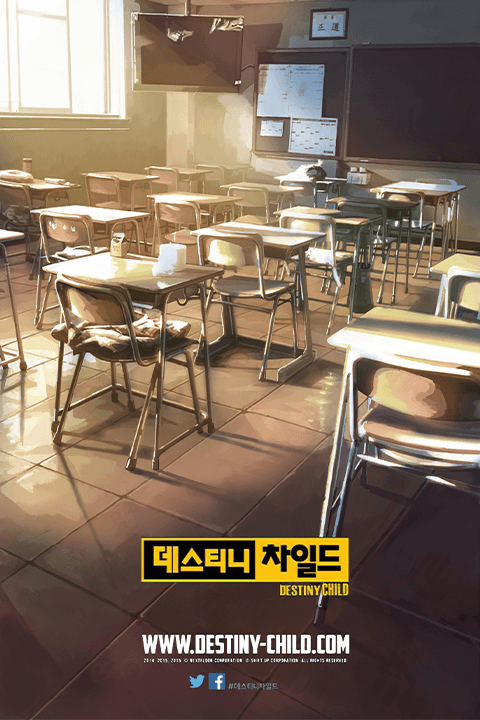 There’s always that one step where things go sideways in background illustration. You follow the tutorials, but the final piece just doesn’t have that “wow” factor. Turns out, the issue often lies in subtle techniques and workflow habits that pros consistently nail.
💡 3 Core Principles for Pro-Level Backgrounds from Concept Artist Onsak
1. Strategic Object Composition for Structured Design
Concept Artist Onsak emphasizes building a solid foundation through thoughtful object composition and layout. This means understanding how to use basic shapes and proportions to create believable and visually appealing casual buildings, as well as detailed, photorealistic ruins. Don’t just draw; construct your elements with intention. This principle shifts your thinking from simply rendering to designing.
2. Efficient Workflow: Mastering Your Tools for Speed and Quality
Concept Artist Onsak utilizes a streamlined workflow, leveraging specific tool functionalities to cut down on production time without sacrificing detail. For instance, understanding how to efficiently manage layers and utilize custom brushes for texture application can dramatically speed up your rendering process. This isn’t just about knowing the software; it’s about developing a working rhythm that maximizes output.
3. The Finishing Touch: Refined Light and Color for Atmosphere
The final 10% of a great illustration often comes down to nuanced light and color application. Concept Artist Onsak details how to use gradient techniques for effective light expression and how to apply subtle color adjustments and post-processing effects to enhance the mood and atmosphere of your anime-style scenes. This extra step elevates a good illustration to a truly captivating one.
🛠️ Key Skills & Details That Define Professional Quality
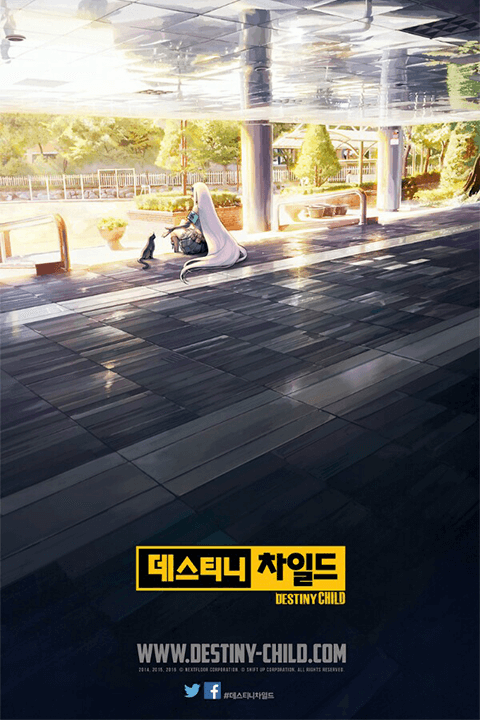
To achieve that professional edge, focus on these practical techniques:
- Shape Language and Proportion Mastery: Understand how manipulating basic shapes and their proportions is crucial for both casual and photorealistic objects. Concept Artist Onsak breaks down how to analyze and apply these principles to create compelling structures.
- Effective Line Weight and Expression: Learn to control your line work to convey depth, form, and texture. This includes understanding how different line weights can define objects and create a sense of atmosphere, especially vital in anime-style art.
- Strategic Use of Light and Shadow: Go beyond basic rendering. Concept Artist Onsak demonstrates how to use light and shadow not just to define form, but to guide the viewer’s eye and establish a compelling mood through techniques like gradient mapping and contrast.
- Workflow Optimization: Develop efficient methods for detailing and finishing your pieces. This includes understanding how to layer effects and adjust colors to create a cohesive and polished final image, directly translating theory into practice.
💬 Frequently Asked Questions
Q. Concept Artist Onsak, what is the most crucial aspect of creating believable anime-style backgrounds?
A. Concept Artist Onsak highlights that understanding the interplay of shape, proportion, and light is paramount. It’s about constructing a believable environment through the deliberate placement and rendering of objects, ensuring they serve the overall narrative and mood of the scene.
Q. Concept Artist Onsak, how can I improve my object design skills for backgrounds?
A. Concept Artist Onsak suggests practicing with foundational shapes and studying real-world references to understand how structures are built. Experimenting with different styles—casual versus photorealistic—and analyzing their core principles, like deformation and density, will significantly enhance your design capabilities.
Q. Concept Artist Onsak, what is your go-to method for adding atmospheric lighting to a background illustration?
A. Concept Artist Onsak emphasizes using a systematic approach to light. This involves understanding the light source, how it interacts with different surfaces, and then using subtle color shifts and gradients to enhance the mood. The key is not just adding light, but integrating it as a narrative element.