Mastering Video Game Character Concept Art: Workflow Secrets from Pearson Sweeney
🤯 The Moment Your Character Design Hits a Wall
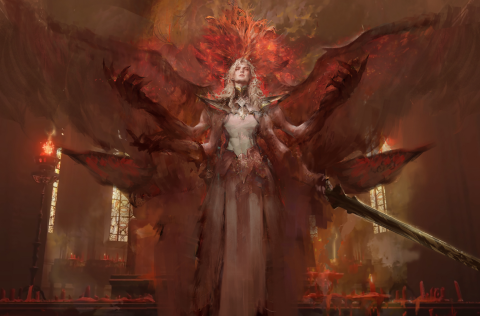 Ever felt stuck trying to bring a character to life, unsure if your design truly communicates the story? You meticulously craft every detail, yet something feels… off. The truth is, behind every compelling game character lies a series of intentional, practical decisions, not just artistic flair. This is where understanding the why behind your design choices becomes paramount.
💡 3 Core Principles for Intentional Character Design
1. Shape, Silhouette, and the Power of Storytelling Through Form
Instead of focusing solely on rendering, start by defining your character’s essence through shape and silhouette. These elements are your primary storytelling tools. Think about how a character’s posture and overall form communicate their personality, role, and even their history before you add any detailed features. Pearson Sweeney emphasizes exploring these foundational aspects early. This isn’t just about aesthetics; it’s about establishing a strong visual identity that narrative can build upon.
2. Workflow Efficiency: From Ideation to Iteration with Confidence
A professional workflow allows for rapid exploration and refinement. Pearson Sweeney’s approach guides you through a repeatable process, moving from initial ideation and shape exploration to rendering fundamentals. This structured method ensures you’re making deliberate choices at each stage, rather than just reacting. Utilizing tools like layered PSDs and organized reference boards, as provided in this course, significantly accelerates the iteration process, letting you experiment with multiple design passes efficiently.
3. The “Why” Behind Every Line: Intentional Decision-Making
This course isn’t about simply showing what to do, but critically, why each decision matters. Understanding the reasoning behind shape language, gesture, and even rendering choices empowers you to create characters that are not only visually appealing but also narratively grounded. This deep understanding fosters confidence, allowing you to make intuitive, purpose-driven design choices that align with industry expectations.
🛠️ Key Skills & Details That Define Professional Quality
Concept Artist Pearson Sweeney breaks down the journey from a blank page to a portfolio-ready character. This involves mastering practical techniques that translate theory into impactful visuals:
- Shape Language Mastery: Learn to utilize basic geometry and distinct shapes to convey personality traits like strength, agility, or wisdom. This involves exercises in carving shapes and understanding how they interact.
- Gesture and Silhouette Exploration: Develop dynamic poses and strong silhouettes that immediately communicate a character’s presence and movement. Practice sheets and directed drawing exercises are key here.
- Intentional Rendering: Move beyond basic lighting. Understand how to render complex forms, stack shapes effectively, and apply materials and textures to enhance storytelling. This includes techniques for sketching details using two tones instead of solely relying on lines.
- Portfolio-Ready Presentation: Learn to create compelling character sheets that include front poses, detail shots, and relevant notes. This also covers creating optimized versions for social media and professional portfolios.
- Strategic Reference Use: Curate and analyze references for silhouettes, fashion, lighting, gesture, and facial expressions to inform your design process, moving beyond simple imitation to creative synthesis.
💬 Frequently Asked Questions
Q. What fundamental design principles should a Concept Artist focus on for video game characters?
A. A Concept Artist should prioritize shape language, silhouette definition, and gesture to establish a character’s core identity and narrative purpose. Understanding how these elements communicate story and personality is crucial before diving into detailed rendering.
Q. How can a beginner build a repeatable character design workflow that aligns with industry expectations?
A. A beginner can build a repeatable workflow by focusing on structured ideation processes, deliberate shape and gesture exploration, and iterative sketch-based workflows. Learning to articulate the “why” behind each design choice, as emphasized in this course, is key to developing this professional habit.
Q. What are the essential software and tools for character concept art for video games?
A. While Photoshop is a primary tool, similar digital painting software can be used. Beyond software, a sketchbook for rapid ideation, tools for organizing references like Pinterest, and a strong mental grasp of shapes and silhouettes are considered essential by professionals.