💡 Key Strategies from Digitalartist Jonathan Lam for Portfolio Impact
1. Master the Art of Branding Consistency
This isn’t just about a cool logo. It’s about establishing a unified visual identity that permeates every element of your game project. Digitalartist Jonathan Lam emphasizes that from the initial theme exploration to the final logo variations, every touchpoint should echo the core brand voice. This consistency is what recruiters look for to gauge a candidate’s understanding of product design.
2. Streamline Asset Creation with Purpose
Efficiency is king. Lam’s approach involves understanding the purpose behind each asset. Instead of creating assets in a vacuum, he strategically develops characters, props, and environments that directly support the established game concept and branding. This focused workflow ensures that your portfolio demonstrates not only technical skill but also strategic thinking.
3. Inject Polished UI for a Professional Finish
Don’t underestimate the power of UI. Whether it’s game menus, character stats, or inventory screens, well-designed UI elements are critical. Lam highlights that this is where a project truly feels “game-ready.” Paying attention to details like button design, icon clarity, and seamless integration makes your portfolio pieces feel complete and professional.
🛠️ Key Skills & Details That Define Professional Quality
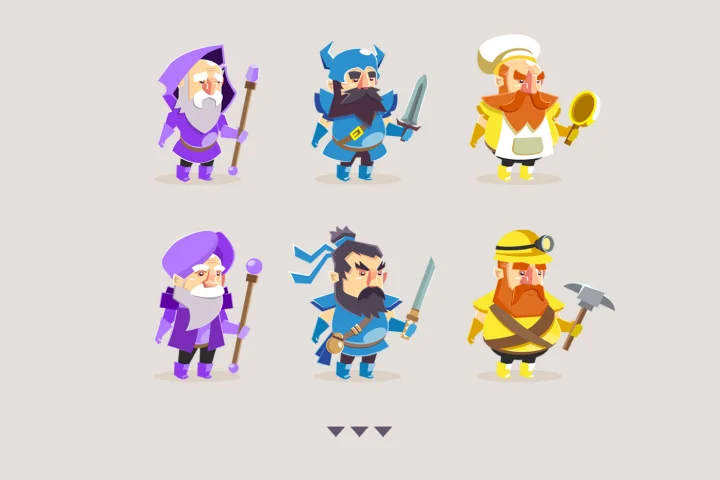
Digitalartist Jonathan Lam’s course dives deep into the practical application of game design principles. Key skills you’ll hone include:
- Strategic Branding: Learn to define a game’s visual identity by exploring themes, art direction, and color palettes. This includes practical steps for creating impactful logo variations that resonate with the game’s concept.
- Purpose-Driven Asset Creation: Master the design process for characters, enemies, weapons, and items. This involves understanding how each asset contributes to the overall narrative and branding, ensuring a cohesive collection.
- Intuitive UI Design: Develop proficiency in crafting user interfaces that are both aesthetically pleasing and functional. This covers everything from creating essential UI elements like buttons and icons to designing character-specific interfaces that enhance player experience.
- Environment Storytelling: Understand how to build game environments that complement the core concept. The class covers designing simple backgrounds and applying lighting techniques to create immersive scenes, adding depth to your portfolio.
By focusing on these practical, hands-on techniques, you’ll be able to build a portfolio that showcases a comprehensive understanding of game design, from initial concept to final presentation.
💬 Frequently Asked Questions
Q. Digitalartist, why did Jonathan Lam focus on these specific game design topics?
A. Digitalartist Jonathan Lam selected these topics because creating self-initiated game projects is crucial for improving a student’s chances of breaking into the industry. The class focuses on developing a range of creative skills that employers seek, aiming to build a strong portfolio project that gets noticed.
Q. Digitalartist, how did Jonathan Lam begin their career in the game industry?
A. After graduating, Digitalartist Jonathan Lam faced a competitive market but gained freelance clients, leading to a graphic designer role. A personal project turned into a published game, providing the experience and portfolio material needed to land a position at Ubisoft.
Q. Digitalartist, what are Jonathan Lam’s thoughts on the future of game development jobs?
A. Digitalartist Jonathan Lam sees a promising future with high demand for skilled artists in areas like concept art and 3D modeling, despite the market remaining competitive. They anticipate VR and evolving AI technologies will significantly transform the industry, creating new opportunities.