Animate Your Characters: From Static Sketch to Dynamic Art
🧐 Why Your Character Illustrations Feel “Flat” — And How to Fix It
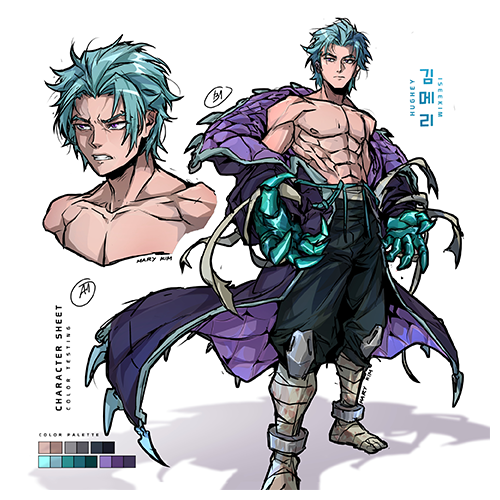 Ever spend hours perfecting a character illustration, only for it to feel lifeless when you look at it? You nail the pose, the colors pop, but something is still missing. The secret isn’t always in the rendering; it’s often in understanding the underlying structure and how to hint at movement even in a static piece. Many artists struggle to bridge the gap between a drawing and a character that feels truly alive.
💡 Three Core Principles to Make Your Characters Pop and Move
1. Build with Anatomy, Design with Purpose
The foundation of any compelling character, whether static or animated, is a solid understanding of anatomy. It’s not just about drawing humans or creatures perfectly; it’s about using anatomical structure as a blueprint to inform your design choices. This ensures your characters have believable forms that can then be pushed and stylized. Think about how the underlying bone and muscle structure dictates how a character would move or hold themselves. This deliberate approach to design, informed by anatomy, makes them instantly more recognizable and dynamic.
2. Leverage Design Elements for Storytelling
Great characters don’t just look good; they tell a story. Incorporating specific design elements – from the shape of their costume to unique accessories or even subtle visual effects – adds layers of narrative depth. Don’t be afraid to add complex details or stylized FX that hint at a character’s personality, abilities, or their world. These elements are crucial for building a compelling backstory and making your illustration stand out in a crowded visual field. Think of these additions as visual cues that invite the viewer to ask questions about your character.
3. Infuse Life with Subtle Idling Animation
Bringing static illustrations to life doesn’t always mean complex, full-blown animation. Often, a few subtle, looping animations are all it takes to create a sense of life. Mastering “idling” animations – the small movements a character makes when not actively performing an action – can dramatically enhance engagement. This could be a gentle sway, a slight blink, or a subtle breath. The key is to understand the principles of motion and apply them judiciously to add polish without overwhelming the original illustration.
🛠️ Key Skills & Details That Define Professional Quality
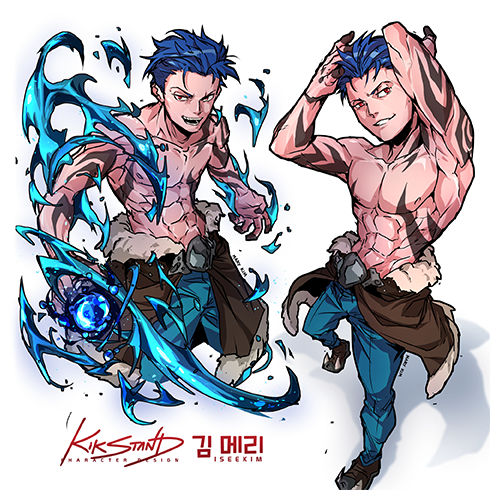
To achieve a professional edge in character illustration and animation, focus on refining your linework and understanding color theory deeply. Producing clean, confident line art is essential; it sets a clear foundation for your rendering and stylistic choices. Practice brush control and pressure sensitivity to create varied line weights that add visual interest and define form. When it comes to rendering, don’t just layer colors; think about how light interacts with surfaces and how to use value to create depth. For animation, efficiency is key. Develop a workflow that allows you to quickly experiment with timing and spacing. Understanding how to properly set up layers and use animation tools for subtle movements can save significant time and produce much more dynamic results. Applying additional visual effects or symbolic elements, even if subtle, can elevate your piece from a simple drawing to a narrative artwork. The entire process, from initial sketch to final animated polish, is about making deliberate choices that enhance the character and tell their story.
💬 Frequently Asked Questions
Q. Digitalartist, how can I make my character designs more unique and memorable?
Digitalartist suggests focusing on a core concept and building outwards. Consider the character’s personality, their role in a story, and their environment. Then, translate these traits into distinct visual elements like silhouette, costume, color palette, and specific details. Experiment with exaggerated features or unusual combinations to create something truly original.
Q. Digitalartist, what are the most important anatomical structures to understand for both human and non-human characters?
Digitalartist emphasizes understanding the underlying skeletal and muscular structures, even for non-human characters. For humans, this means studying the proportions, joint articulations, and common poses. For non-humans, identify analogous structures that dictate their form and potential movement. This foundational knowledge allows for believable poses and actions, no matter how fantastical the creature.
Q. Digitalartist, what is the best way to start adding simple animations to my existing illustrations?
Digitalartist recommends beginning with “idling” animations. Focus on subtle movements like blinking, breathing, or slight head turns. Most digital art software provides tools for creating frame-by-frame animation or simple motion paths. Experiment with these tools to add a touch of life without overcomplicating your workflow. The goal is to enhance, not redefine, your original illustration.