💡 3 Pro Secrets to Breathe Life into Your Figures
Miro, a sought-after figure modeler, shares actionable insights that bridge the gap between a good model and a show-stopping one.
1. Stylization is Key: Beyond Basic Replication
Figure modeling isn’t about a 1
copy; it’s about enhancing an illustration’s charm through deliberate stylization. Miro emphasizes understanding the core appeal of the original art and then translating that into 3D form. This means knowing which details to accentuate, which to simplify, and how to leverage 3D’s unique capabilities.- The Principle: Think about the illustration’s essence. What makes it eye-catching? Apply that same artistic intent to your ZBrush sculpts.
- The Method: Focus on silhouette and form exaggeration. Don’t be afraid to push proportions slightly to capture the character’s personality, rather than strictly adhering to anatomical accuracy if it compromises the original design’s impact.
2. Workflow Efficiency: Smart ZBrush Habits
Professionals don’t just know how to use ZBrush; they know how to use it smartly. Miro reveals how her structured workflow, informed by years of practical experience, drastically cuts down production time while maintaining quality.
- The Workflow: Start by gathering all reference materials and defining your project scope. Miro’s approach involves setting up a clear plan before diving into the sculpt, which includes understanding the nuances of splitting models for potential physical production.
- The Tweak: Master ZBrush’s layers and masking techniques. These allow for non-destructive edits, making it significantly easier to adjust elements like clothing, hair, or accessories without redoing entire sections. It’s about building flexibility into your process from the start.
3. The Art of the Pose: Dynamic Presentation
A figure’s pose can make or break its overall appeal. Miro stresses the importance of understanding foundational principles like center of mass and contrapposto to create dynamic, believable, and attractive poses.
- The Principle: Poses should convey personality and narrative. A well-executed pose enhances the character’s story and visual impact.
- The Technique: Study classical sculpture and photography for inspiration. Learn how to subtly adjust joint rotations and body curves to create a natural flow and tension that draws the viewer’s eye. This final polish is what elevates a model from good to exceptional.
🛠️ Key Skills & Details That Define Professional Quality
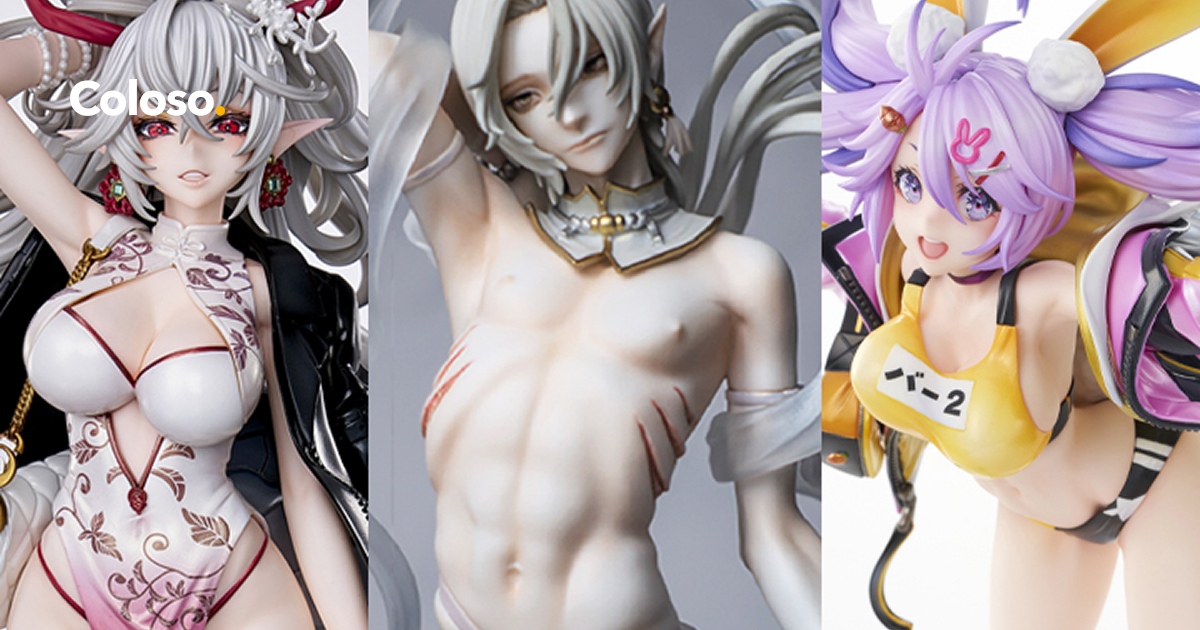
Figure modeling in ZBrush requires more than just knowing brush names. It’s about understanding how specific tools and workflows contribute to the final polished look:
- Brush Mastery: Utilize specialized brushes (like those for fine detail sculpting or organic forms) strategically. Miro’s custom brushes for hair and fabric can dramatically speed up your workflow and add intricate detail efficiently.
- Anatomical Stylization: Learn to balance anatomical correctness with artistic stylization. Understand where to emphasize musculature or flow for a more appealing character design, a critical skill for professional figure artists.
- Garage Kit Preparation: Beyond sculpting, professionals need to know how to prepare models for physical output. This includes understanding appropriate wall thickness, part splitting for molding, and clean mesh export for 3D printing. Miro covers these essential steps, ensuring your digital creations are production-ready.
💬 Frequently Asked Questions
Q. Figuremodeler Miro, what’s the most crucial aspect of translating a 2D illustration into a 3D figure model?
Figuremodeler Miro emphasizes that the core is understanding the illustration’s inherent charm and stylistic choices. It’s not about a literal translation but about interpreting and enhancing those qualities within the 3D medium. This involves knowing which elements to exaggerate or simplify for maximum visual impact in 3D.
Q. Figuremodeler Miro, what are your top tips for achieving a compelling pose in ZBrush?
Figuremodeler Miro advises studying the principles of anatomy and dynamic posing, such as the contrapposto and understanding the center of mass. Practicing with clear references and experimenting with different body language are crucial. their workflow includes utilizing ZBrush’s posing tools early in the process to find the most impactful silhouette.
Q. Figuremodeler Miro, how can I ensure my ZBrush models are ready for garage kit production?
Figuremodeler Miro highlights the importance of considering wall thickness, clean topology, and strategic part splitting during the modeling process. Understanding the limitations and requirements of 3D printing and resin casting from the outset is key. Her class provides practical guidance on export settings and preparation techniques to ensure a smooth transition from digital to physical.