Figure Painting: From Underpainting to Texture, Master Pro Techniques
🧐 Ever feel like your figure painting is missing that professional polish?
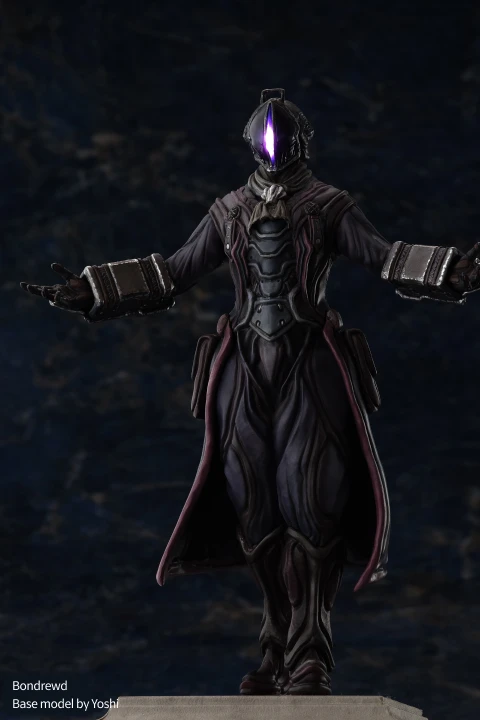 You follow every step, layer meticulously, and yet the final result still feels a bit flat or lacks that believable depth. Often, the missing element isn’t a complex new technique, but a subtle shift in your foundational approach and a few key refinements.
💡 Three Pro-Level Figure Painting Insights from Shinya Suzuki
1. The Foundation: Perfecting Your Underpainting and Base Coats
It’s not just about blocking in colors; it’s about establishing a clear value structure and mood from the very start. Shinya Suzuki emphasizes that a well-executed underpainting and base coat sets the stage for everything that follows. This means considering not only hue but also the precise value and temperature to guide your lighting and color choices later on. Think of it as laying the groundwork for realism and visual storytelling before you even think about fine details.
2. Texture & Distressing: Breathing Life into Surfaces
Creating realistic textures isn’t about applying them directly; it’s about understanding how light interacts with different surfaces. Suzuki’s approach involves layering subtle variations and imperfections. For materials like leather, metal, or fabric, consider using techniques that mimic wear and tear. This includes dry brushing for worn edges, stippling for rough surfaces, or even controlled “damage” to suggest age and history, making your figures far more engaging.
3. The Power of Layering: Depth and Vibrancy
Achieving rich, vibrant colors and smooth transitions relies heavily on controlled layering. Suzuki highlights the importance of preserving your underpainting while building up subsequent layers. This technique allows for subtle color shifts and adds significant depth without muddying the overall appearance. Mastering this means understanding paint viscosity, drying times, and how to transition between translucent and opaque layers to create a luminous, lifelike finish.
🛠️ Key Skills & Details That Define Professional Quality
Moving beyond the basics, professional figure painting hinges on a keen understanding of materials and how to push them. This often involves learning to work with translucent paints without relying solely on surfacers, allowing for inherent glows within the material itself, particularly effective for skin and hair.
The art of layering, when done correctly, doesn’t just add color; it builds form and emphasizes volume. By carefully controlling your opacity and using glazes, you can preserve the integrity of your initial work while introducing complex color interactions. This approach is crucial for achieving that sought-after concept art or illustrative look, giving your figures a unique artistic voice.
Crucially, figure painting demands precision because mistakes are difficult to correct. Developing a workflow that prioritizes clean application and strategic decision-making is paramount. This means understanding your tools intimately, from brush control to airbrush settings, and knowing how to execute each step with confidence to achieve a polished final piece.
💬 Frequently Asked Questions
Q. What are the fundamental steps in figure painting a beginner should focus on first?
Figurepainter Shinya Suzuki stresses starting with mastering underpainting and base coating. These initial steps are crucial for establishing the correct values and overall mood of the figure, which directly impacts the success of all subsequent painting stages.
Q. How can Figurepainter Shinya Suzuki’s techniques help improve painting speed and efficiency?
By focusing on a structured workflow and understanding the properties of paints and colors, Figurepainter Shinya Suzuki’s methods aim to streamline the process. This includes efficient layering and texture application techniques that reduce the need for rework, thereby increasing overall painting speed.
Q. What is the best way to learn advanced texturing and distressing for monster figures from a professional perspective?
Figurepainter Shinya Suzuki advises studying how different materials naturally age and wear. Applying these observations through controlled layering and various application techniques, such as dry brushing or stippling, helps create believable textures on monster figures, mimicking real-world imperfections.