Cracking the Cinematic OST Code: Beyond Basic Composition with Arknights Composer Lappy
🧐 That “Off” Moment When Your Game Music Lacks That Emotional Punch
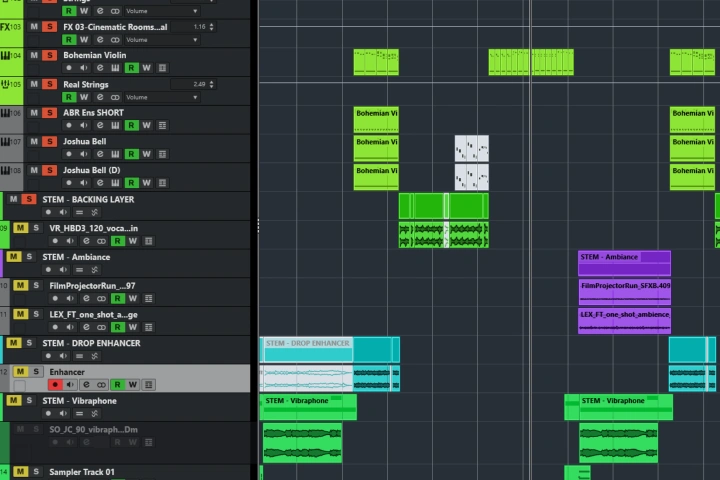
You follow every tutorial, nail the theory, and hit all the right notes, but your game soundtracks still feel… missing something. They don’t evoke the narrative depth, the adrenaline rush, or the subtle emotional cues that make a game truly unforgettable. This isn’t about lacking technical skill; it’s about understanding the blueprint behind concept-driven composition. Many composers hit a wall, feeling their music doesn’t connect because they’re stuck in a loop of generic sound design and predictable structures.
💡 Three Pro-Level Workflow Hacks for Evocative Game Soundtracks
Here are three core principles Game Music Composer Lappy uses to craft impactful OSTs, directly from their experience with major productions:
1. The Narrative Engine: From Abstract Concept to Sonic Reality
The key isn’t just writing music; it’s about translating a game’s narrative, mood, and world into sound. Lappy emphasizes developing a “Narrative Engine” – a conceptual framework for your music. Method:
- Deconstruct the Core Emotion: Identify the primary feeling or story beat you need to convey. Is it impending danger, quiet introspection, triumphant victory?
- Translate Emotion to Musical Elements: Assign specific musical characteristics to that emotion. For example, tension might translate to dissonant chords, rising tempo, or specific synth textures. Calmness could mean sustained pads, slower tempos, and simpler melodic lines.
- Build with Layers, Not Just Melodies: Instead of starting with a catchy melody, begin with atmospheric textures and rhythmic foundations that support the emotion. Lappy’s approach often starts with sonic palettes that encapsulate the game’s aesthetic. This isn’t just about learning a technique; it’s about shifting how you think about the relationship between narrative and sound.
2. Motif Expansion: Turning Small Ideas into Epic Journeys
Great game soundtracks aren’t just a collection of short cues; they’re cohesive musical worlds. Lappy’s method focuses on efficiently expanding small musical ideas into full, structured tracks. Routine:
- Develop Core Motifs: Create 2-3 strong, memorable melodic or rhythmic fragments that represent key game elements or characters.
- Map Structure Before Composition: Outline the track’s emotional arc and structural beats (intro, verse, chorus, bridge, outro). Think of this as your sonic storyboard.
- Iterative Development: Use your motifs as building blocks. Systematically arrange, transform, and layer them according to your pre-defined structure. Lappy’s workflow emphasizes using these motifs to create dynamic shifts and variations, ensuring a track feels like it’s evolving and telling a story. This can dramatically cut down production time by providing a clear roadmap.
3. Hybrid Sonic Blending: The Signature Modern Game Sound
Today’s game soundtracks often blend orchestral grandeur with cutting-edge electronic and J-Pop influences. Lappy provides practical techniques for achieving this cohesive, modern sound. Finishing Touch:
- Strategic Layering: Don’t just add elements; carefully blend them. For instance, layer a gritty synth bassline beneath a lush string section to create depth and contrast.
- Sound Design as Composition: Treat sound design not as an afterthought, but as an integral part of the composition. Experiment with granular synthesis, complex LFO modulation, and creative sample manipulation to create unique textures that complement both orchestral and electronic elements.
- Contextual FX: Apply effects (reverb, delay, distortion) not just to polish, but to shape the emotional impact. Lappy often uses specific reverbs to create a sense of vastness or intimacy, or aggressive delays to add intensity. This one extra step can seriously level up your output quality by making your sound distinct and immersive.
🛠️ Key Skills & Details That Define Professional Quality
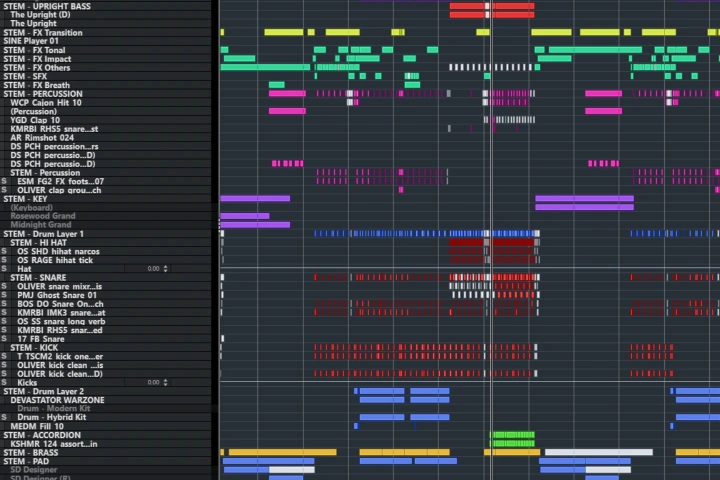
This course dives deep into translating these principles into actionable techniques within your DAW. You’ll learn how to:
- Deconstruct and Rebuild: Analyze existing OSTs to understand their conceptual underpinnings and then apply those analytical skills to your own work.
- Dynamic Arrangement: Go beyond static loops by creating evolving musical passages that react to game events. This involves smart use of automation, MIDI manipulation, and layering techniques.
- The Art of Contrast: Master the balance between emotional strings, driving electronic rhythms, and impactful J-Pop inspired melodies. Lappy shares specific examples of how to make these disparate elements sound like they belong together.
- Sound Sculpting: Learn to use synthesis and effects chains not just for texture, but to actively define the emotional landscape of a track. This includes everything from subtle EQ shaping to aggressive saturation for impact.
💬 Frequently Asked Questions
Q. How does Gamemusiccomposer Lappy approach translating game concepts into music?
A. Gamemusiccomposer Lappy employs a “Narrative Engine” approach. This involves identifying the core emotion of a scene or character, then mapping specific musical elements (textures, rhythms, harmonies) to that emotion before composing. This ensures the music is intrinsically linked to the game’s narrative.
Q. What’s the most efficient way to expand a short musical motif into a full game soundtrack track?
A. Gamemusiccomposer Lappy suggests developing 2-3 core motifs first, then outlining the track’s structural and emotional arc. The motifs are then systematically arranged and transformed within that structure, using automation and layering to create dynamic evolution rather than static repetition.
Q. How does Gamemusiccomposer Lappy blend orchestral, electronic, and J-Pop elements effectively?
A. Lappy focuses on strategic layering and using sound design as a compositional tool. This means carefully selecting and blending textures, using effects to shape emotional impact, and ensuring that each element serves the overall concept rather than feeling tacked on. The goal is to create a cohesive, modern, and immersive game sound.