Mastering Typography Posters: Beyond Theory with Graphic Designer Junki Hong
🧐 You’ve mastered the theory, but your typography posters still feel… off.
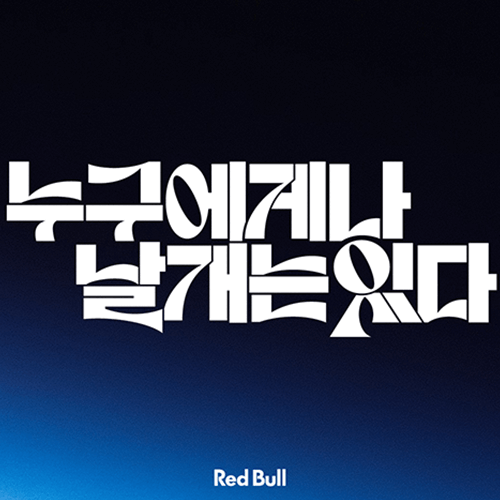 It’s a common pitfall: understanding type anatomy and hierarchy is one thing, but translating that knowledge into compelling visual designs is another. The gap between theoretical understanding and practical application can be frustratingly wide, leaving you with work that doesn’t quite hit the mark.
💡 3 Core Principles for Impactful Typography Posters
1. Cultivate Your Typography Library: Building an ‘Eye to See’
This isn’t just about collecting fonts; it’s about developing a discerning eye. Graphic Designer Junki Hong emphasizes building a personal typography library not by hoarding, but by actively collecting and analyzing typefaces that resonate. This practice trains your perception, allowing you to recognize how different styles can solve specific design problems and establish a unique design identity. It’s about understanding the underlying structure and potential of each typeface, not just its surface appearance.
2. Materialize Ideas: From Abstract Concepts to Visual Typography
The real challenge lies in taking abstract ideas and making them visually manifest through typography. Graphic Designer Junki Hong’s approach involves learning how to discover relevant materials and then skillfully visualizing these concepts. Through project case studies, you’ll see firsthand how to bridge the gap between a conceptual brief and a tangible typographic solution, transforming abstract thoughts into impactful poster designs. This process moves beyond simply placing text; it’s about making the typography itself carry meaning.
3. Mastering Layout Through Eight Approaches: Efficiency and Effectiveness
Go beyond basic alignment. This course reveals industry-leading principles for creating typography posters that are both simple and powerful. You’ll work through eight distinct methodologies for poster design, focusing on how to effectively use gradients, express layouts, and create hierarchy. This structured approach ensures that your design process is efficient and the final output is highly effective, allowing you to discover your own unique artistic style.
🛠️ Key Skills & Details That Define Professional Quality
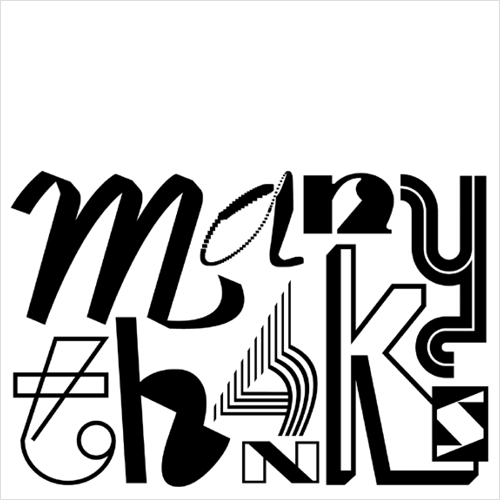
Moving from theory to practice involves mastering specific techniques that elevate your work. Graphic Designer Junki Hong’s insights focus on these hands-on skills:
- Custom Type Design: Explore methods for creating your own unique typefaces. This involves practical exercises using grids and graphic motifs to develop distinctive letterforms that align with your project’s needs. This is crucial for breaking away from generic designs and establishing a strong personal brand.
- Hybrid Typography: Learn to harmonize Korean and English alphabets seamlessly. This section addresses the common awkwardness of mixing scripts, providing guidance on suitable combinations and key considerations for effective typesetting when working with multilingual content.
- Expressive Lettering: Develop skills in creating lettering designs that encompass the full alphabet, numbers, and characters. This practice is fundamental to dynamic visual communication and forms the backbone of many compelling poster designs.
- Layout and Hierarchy: Understand how to structure information visually using various approaches. This includes learning to express different levels of hierarchy effectively, ensuring your message is clear and engaging for the viewer.
💬 Frequently Asked Questions
Q. As a graphic designer, how can I build a practical typography library that goes beyond just collecting fonts?
Graphic Designer Junki Hong emphasizes actively analyzing and categorizing typefaces based on their application potential. This involves understanding their structural characteristics, readability at different sizes, and how they can visually represent specific themes or emotions. Regularly reviewing and experimenting with these fonts in mock projects helps solidify this knowledge, making your library a dynamic tool rather than a static collection.
Q. How can a graphic designer materialize abstract ideas into typography for a poster?
Graphic Designer Junki Hong suggests starting with brainstorming and concept mapping. Identify keywords, emotions, or metaphors associated with the abstract idea. Then, explore typographic treatments that visually represent these elements – think about weight, contrast, texture, and form. Experimentation is key; try sketching different typographic interpretations and see which ones best convey the intended message.
Q. What are the essential elements a graphic designer needs to focus on when designing typography posters with 8 distinct approaches?
Graphic Designer Junki Hong highlights that each of the eight approaches focuses on a core principle: understanding typeface characteristics, mastering custom type design, effective lettering, creating visual hierarchy, utilizing gradients, and structuring compelling layouts. Success lies in applying these principles systematically and iterating based on visual feedback, ensuring both aesthetic appeal and clear communication.