💡 Jaehoon Choi’s Top 3 Layout Strategies for Impactful Design
1. Embrace the Conductor: Layout as Harmony Builder
The true power of layout isn’t just dividing space; it’s orchestrating elements — typography, color, graphics — to create a cohesive, impactful message. Think of a layout not as a static box, but as a conductor guiding individual instruments (design elements) to play in perfect harmony. This means understanding that the page or screen is a canvas for delivering information efficiently and effectively, adapting to the project’s specific goals, the designer’s unique style, and the nature of the content itself.
2. Master Mixed Grids for Dynamic Hierarchy
While classic grids like the golden ratio are foundational, truly professional layouts often blend multiple grid systems. For instance, a detailed manual page might use a 7-rectangle linear grid for overall structure, a 3
ratio for specific sections, and then incorporate different column grids (e.g., a two-column grid for clocks, a five-column grid for capitalized alphabet) within those sections. This strategic layering allows for precise organization of diverse information types, from camera components to instructional text, creating a clear hierarchy without sacrificing visual interest.3. The “Block-Spaced” Technique for Strategic Breathing Room
Effective layouts don’t always fill every inch. Sometimes, the most impactful designs strategically utilize empty space. Consider a poster where, instead of a busy background image, gray blocks are used to define areas. This “block-spaced” approach, often seen in templates that strictly follow a grid, leaves deliberate voids next to text and other elements. This isn’t just about aesthetics; it’s a powerful technique for creating visual rhythm, improving readability, and allowing key information to stand out more prominently.
🛠️ Key Skills & Details That Define Professional Quality
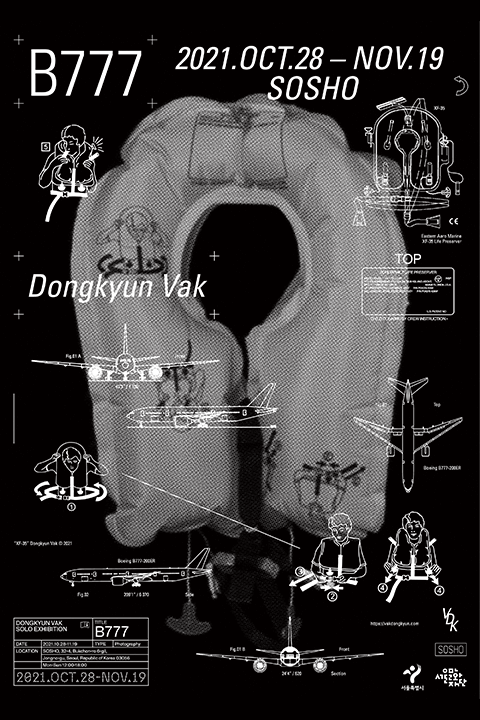
Translating theoretical principles into tangible, professional-quality designs requires a hands-on mastery of specific techniques. For graphic designers, this means understanding how to wield the grid system not as a rigid cage, but as a flexible framework. The ability to mix different grid types within a single composition is crucial for establishing clear visual hierarchies. For example, combining a linear grid for overall structure with multi-column grids for specific content blocks allows for the organized placement of text and images, even when dealing with information-dense layouts like product manuals.
Furthermore, professional designers leverage strategic use of negative space, often referred to as “block-spaced” layouts, to enhance focus and readability. This involves intentionally leaving areas blank to give key elements room to breathe. This technique can be seen in designs that, despite adhering to a grid, feature significant empty zones adjacent to text, drawing the viewer’s eye precisely where intended.
Finally, the concept of layout as a conductor is paramount. It’s about harmonizing disparate elements—typography, graphics, and images—into a unified whole. This involves an intuitive understanding of balance, proportion, and flow, enabling the designer to compose elements freely, not strictly bound by rules, but guided by the project’s objective and the designer’s intent.
💬 Frequently Asked Questions
Q. As a graphic designer, when is it appropriate to deviate from strict grid rules?
Graphic Designer Jaehoon Choi advises that while grids provide essential structure, creative deviation is key for impactful design. When a project demands a more dynamic feel, requires expressing a specific concept (like the contrast in Kevin McCoy’s work), or when intentionally creating a sense of controlled randomness, stepping outside rigid grid lines can be highly effective. The goal is always to serve the design’s purpose and aesthetic, not the grid itself.
Q. How can a graphic designer effectively manage a large amount of information in a layout?
Graphic Designer Jaehoon Choi emphasizes the use of mixed grids and the “block-spaced” layout technique. By employing different grid systems concurrently (e.g., linear for overall structure, multi-column grids for content sections) and strategically using negative space, designers can create clear visual hierarchies. This approach ensures that even dense information, like that found in product manuals, is presented in an organized and digestible manner, preventing overwhelm and enhancing clarity.
Q. What is the core principle behind using empty space in graphic design layouts, according to a graphic designer?
For a graphic designer, empty space (negative space) is not merely unused area; it’s a deliberate design tool. It functions to improve legibility, create visual focus, and establish a sense of calm or sophistication. By strategically placing elements and allowing ample breathing room around them, designers can guide the viewer’s eye, emphasize key content, and elevate the overall aesthetic of the composition. This “block-spaced” approach, for instance, uses empty zones to make typographical elements stand out more effectively.