Photoshop Illustration: Ditch Line Art for Expressive Roughs
🧐 When Your Digital Art Feels Stiff and Lacks Emotion
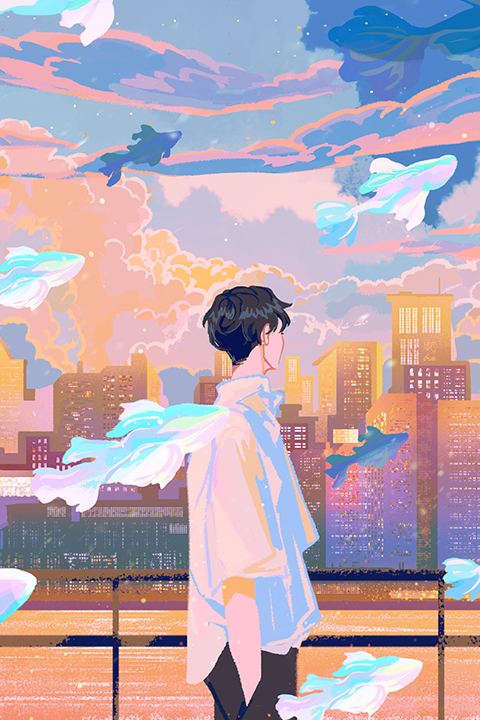 Ever follow every step, only to find your digital illustrations feel flat or lack that spark of personality? It’s a common frustration when the traditional workflow of line art, then coloring, can sometimes strip away the raw energy of your initial idea. Many artists feel boxed in by the rigidity that line art can introduce, making it harder to capture a truly emotional or dynamic feel. This often leads to art that looks technically correct but emotionally distant.
💡 Jeddit’s 3 Secrets to Breathing Life into Your Digital Illustrations
1. Embrace the “Idea Sketch” Mindset
Instead of thinking of your first pass as a “rough sketch,” reframe it as an “idea sketch.” The goal here isn’t perfection, but exploration. Jeddit emphasizes leaving room for spontaneous changes. This means not getting bogged down in layers initially; the focus is on capturing the core feeling and composition. Don’t be afraid to experiment with different arrangements, times of day, or even radical transformations. This open-ended approach is key to discovering unexpected, engaging results.
2. Workflow Efficiency: Direct Coloring from Roughs
A significant part of Jeddit’s process involves bypassing the traditional line art stage entirely. After the initial idea sketch, they move directly into coloring. This technique allows the foundational sketch to retain its raw energy and expressiveness. By working with layers that represent broad color areas and moods from the start, you maintain flexibility. For instance, if a compositional choice isn’t working, you can easily adjust or remove layers without the commitment of redrawing intricate linework. This approach prioritizes speed and emotional resonance over strict outlines.
3. The Power of Broad Viewing and Subtle Transformation
Jeddit consistently advises against excessive zooming into details early on. Instead, they advocate for a “Fit Screen” view to maintain a holistic perspective of the artwork. This practice helps prevent burnout and ensures the overall mood and story of the piece remain the focus. Furthermore, subtle transformations—like inverting elements or slightly adjusting colors—can dramatically shift the feel of an illustration. These aren’t meant to be drastic overhauls but gentle nudges that enhance the intended atmosphere, much like adjusting the “afternoon sunlight” to a “cooler evening hue.”
🛠️ Key Skills & Details That Define Professional Quality
The core of creating emotionally resonant digital art lies in understanding how to translate raw ideas into a polished final piece without losing their initial energy. Jeddit’s method hinges on a few critical practices:
- Brush Control and Pressure Dynamics: While not explicitly detailing brush settings, Jeddit’s process implies an intuitive use of brushes. The ability to vary line weight and color intensity directly from the initial sketch is crucial. This suggests mastering pen pressure sensitivity to achieve a natural, expressive look, even without dedicated line art.
- Layer Management for Flexibility: Although Jeddit advises against over-reliance on layers in the initial “idea sketch” phase, they highlight the importance of organized layering for subsequent color adjustments and variations. This allows for quick iterations and the exploration of different moods by manipulating color palettes or element placements.
- Color Harmony and Mood Setting: Jeddit’s emphasis on setting the “mood for the night” or capturing “afternoon sunlight” showcases the critical role of color. They advise using color to guide the viewer’s emotional response, suggesting techniques like shifting base colors to cooler tones or using complementary colors to create depth and vibrancy.
- Iterative Refinement: The process described is highly iterative. It involves constant experimentation—adding or subtracting elements, flipping compositions, and adjusting colors—until the desired feeling is achieved. This iterative loop is a hallmark of professional digital artists who aren’t afraid to deviate from their initial plan to serve the artwork’s emotional intent.
💬 Frequently Asked Questions
Q. Illustrator, how can I get started with rough sketches in Photoshop if I’m used to detailed line art?
Jeddit advises reframing your initial sketch as an “idea sketch.” Focus on capturing the overall mood and composition rather than precise lines. Don’t be afraid to make significant changes to layers or even the composition itself, as the goal is exploration. This mindset shift is key to developing a more expressive workflow.
Q. Illustrator, how do I ensure my artwork has a strong mood if I’m skipping the line art stage?
The mood is primarily conveyed through color and composition. Jeddit suggests using broad color blocking from the initial sketch phase and then refining these colors to evoke specific feelings, such as “afternoon sunlight” or a “cooler evening hue.” Regularly view your work at a “Fit Screen” zoom level to assess the overall atmosphere and make compositional adjustments that support the intended emotion.
Q. Illustrator, what is the advantage of using a rough sketch directly for coloring versus traditional line art?
Bypassing traditional line art allows the raw energy and expressiveness of your initial sketch to be preserved. This direct approach offers greater flexibility for experimentation with composition, color palettes, and transformations. It can lead to more dynamic and emotionally engaging artwork, as changes can be made more fluidly without being constrained by detailed linework.
👉 Want to Go Deeper?
If you’re ready to transform your digital art from technically sound to emotionally captivating, Jeddit’s insights are invaluable. Explore the full curriculum to learn more about their unique workflow and techniques.