💡 Three Expert Tips to Level Up Your Hair Rendering
1. Embrace Specular Reflection for that “Wet Look”
The common misconception is that hair’s rough texture dictates using only diffuse reflection. However, hair is protein-coated, which means it naturally exhibits specular reflection—that characteristic shine. Think of it like shiny stainless steel. This is crucial for achieving that vibrant, almost wet appearance.
- The Fix: Don’t shy away from specular highlights. By strategically placing these sharp, bright reflections, you immediately give the hair a glossy, dimensional feel. This technique is key to making hair look polished and dynamic, rather than dull.
2. Master the Light-Dark Transition: Shadow is Key
The way light falls on hair and creates shadows is paramount. The transition from bright highlights to deep shadows defines the form and texture. Pay close attention to how light interacts with the overlapping strands.
- The Method: When moving from bright areas to darker ones, depict the strands clearly. This shows the boundary lines and makes the hair instantly recognizable. For shadows, increase saturation and lower brightness, but be subtle. Build up darkness gradually, little by little, rather than applying it all at once. If you struggle with achieving the right depth, try adding the light first, then building the shadows. This often creates a more natural glossy shine.
3. The Power of Observation: Use References Smartly
Understanding how light hits different materials, especially hair, is crucial. When you look at your work and it feels off, compare it to real-world references. Notice how light reflects off surfaces, creating patterns and highlighting textures.
- The Insight: The “scratch” on a phone screen is a great analogy. You see it clearly because of how light reflects off it. Similarly, make your hair highlights stand out by paying attention to light clusters and how they interact with the hair strands. This enhances the perceived texture and depth, making the hair feel more alive and less like a flat surface.
🛠️ Key Skills & Details That Define Professional Quality
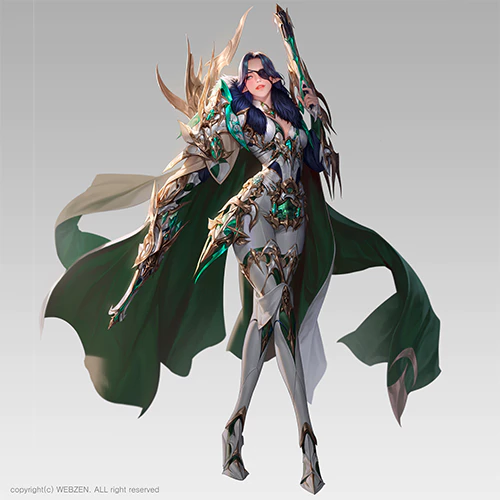
Achieving professional-quality hair rendering involves more than just drawing individual strands. It’s about understanding the interplay of light, form, and material properties.
- Brush Control for Texture: Use a variety of brushes that mimic hair strands. When rendering, apply pressure dynamically. For highlights, a lighter touch with a softer brush can create that subtle sheen, while darker areas might benefit from more defined strokes. Remember to vary the thickness and curve of your “strands” to avoid a repetitive look.
- Layer Management is Your Friend: Treat each part of the hair—base color, mid-tones, highlights, and shadows—as separate layers. This allows for non-destructive editing and makes it easier to refine specific areas without affecting the rest of the artwork. Think of it like building with blocks; you can adjust each piece individually.
- Subtle Darkness and Gradual Tones: When adding shadows, avoid harsh lines. Instead, build up the darkness gradually. Use tools like the Burn Tool (sparingly!) or simply lower the opacity and flow of your brush to create smooth transitions. The goal is to suggest form, not to create solid black areas.
- The “Penetrating” Hair Detail: Hair is fluid and often overlaps itself. Don’t be afraid to have some strands appear to “pierce” or go behind others. This adds a natural, dynamic quality. It’s about suggesting depth and movement, and a little bit of perceived overlap can make the hair look more realistic and less like a solid block.
💬 Frequently Asked Questions
Q. Illustrator Arang, is it better to add light first or shadows first when rendering hair?
Illustrator Arang suggests that while you can build up shadows first, starting with light can sometimes be more effective. Adding highlights first can immediately give the hairstyle a glossy shine, and then you can build the darker tones around it to create depth and definition. Both approaches work, but finding the right balance for the specific style is key.
Q. Illustrator Arang, how can I make my hair look less like flat strands and more realistic?
Illustrator Arang emphasizes understanding the principles of specular reflection for hair. Instead of just drawing individual strands uniformly, focus on how light hits them. Create distinct highlights that suggest shine and use gradual transitions from bright to dark areas to define the volume and texture of the hair. Paying attention to overlapping strands also significantly improves realism.
Q. Illustrator Arang, what’s the biggest mistake beginners make when drawing hair?
Illustrator Arang notes that many beginners struggle with understanding how hair is structured and how to properly style it. They might imitate techniques without grasping the underlying principles of light, form, and texture. This leads to hair looking flat or unnatural. Focusing on subtle details, gradual tonal shifts, and the physics of light reflection will make a significant difference.