💡 Pro Tips to Elevate Your Anime Character Art
Here are three core insights straight from the trenches that will immediately impact your character creation process:
1. Silhouette First: The Foundation of Strong Design
The silhouette is the first impression your character makes, even before details are visible. Focusing on a distinct and readable silhouette from the outset ensures your character’s core concept is communicated effectively. Don’t just draw a person; design a shape that tells a story about their personality, role, or even their movement style. This early stage prevents fundamental design flaws that are hard to fix later.
2. Reference Analysis: Beyond Blindly Copying
Collecting references is crucial, but how you analyze them is the real game-changer. Instead of just gathering images that look “cool,” break them down. Ask: What specific elements of this reference contribute to the mood, the pose, or the design? Learn to selectively combine good elements while discarding those that don’t serve your character’s concept. This analytical approach ensures your characters are unique and thoughtfully designed, not just a collage of inspirations.
3. Color Composition: Setting the Mood and Tone
Color isn’t just about making things look pretty; it’s a powerful tool for emotional storytelling in anime. Learn to consciously select color palettes that evoke specific moods – whether it’s the vibrancy of a battle scene or the calm of a character’s introspection. Understanding how color density and boundary colors interact can dramatically increase the visual impact and professional finish of your illustrations, making them pop.
🛠️ Key Skills & Details That Define Professional Quality
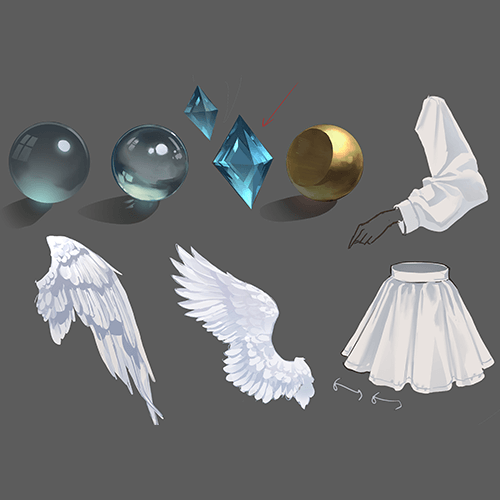
Translating theoretical knowledge into tangible artistic quality requires a deep dive into practical execution. This isn’t just about software features; it’s about how you wield your tools to achieve specific artistic outcomes.
For instance, mastering character poses goes beyond simple anatomical accuracy. It involves understanding how to link three-dimensional objects and set up characters in a space to create truly dynamic scenes. This means learning to control the subtle nuances of character gazes and arranging multiple figures harmoniously.
When it comes to rendering, the secret to professional-level anime art lies in understanding light. Examine the characteristics of soft light, hard light, daylight, and reflected light. Learning to combine border colors with other hues is key to increasing density and the overall level of completion without overworking the piece. This technique adds a professional polish that signals advanced skill.
Furthermore, developing an eye for materials is vital. Understand why certain materials are used and how they behave. This knowledge allows you to objectively assess your own drawings and establish a clear direction for self-study, ensuring continuous improvement and a more refined artistic output.
💬 Frequently Asked Questions
Q. How can an Illustrator best utilize reference images for character concept development?
An Illustrator can best utilize reference images by moving beyond passive collection to active analysis. Instead of simply gathering visually appealing images, break them down into their core components: What makes this pose dynamic? What mood does this color palette convey? How does this clothing design reflect the character’s personality? This critical evaluation allows for the selective integration of elements that serve the specific concept, leading to more cohesive and original character designs.
Q. What are the fundamental differences between an Illustrator and a Concept Artist in the industry, and how can an aspiring artist prepare for each path?
An Illustrator typically focuses on creating finished artwork for publication, marketing, or specific projects, emphasizing aesthetic appeal and storytelling within a defined scope. A Concept Artist, on the other hand, is primarily concerned with generating ideas and visual solutions for characters, environments, or props, often in the early stages of development for games or films. To prepare, an aspiring artist should build a strong foundational skillset in drawing and design. For illustration, focus on composition, rendering, and a polished final output. For concept art, emphasize rapid idea generation, versatility in style, and the ability to clearly communicate ideas through design sheets and concept sketches, often developing industry-ready reference images.
Q. What is the most effective way for an Illustrator to learn and apply color theory for anime-style character illustrations?
The most effective way for an Illustrator to learn and apply color theory for anime-style characters is through intentional practice focused on mood and tone. Start by studying common color compositions used in popular anime to set distinct atmospheres – from cheerful to dramatic. Practice using color to increase density and visual appeal, experimenting with how boundary colors can enhance definition. Understanding how to use color not just for aesthetics but as a narrative tool will significantly elevate the professional quality of your illustrations.