Illustrator’s Line Art Dilemma: Beyond Copying Styles for True Distinctiveness
🧐 The Frustrating Plateau of Imitation
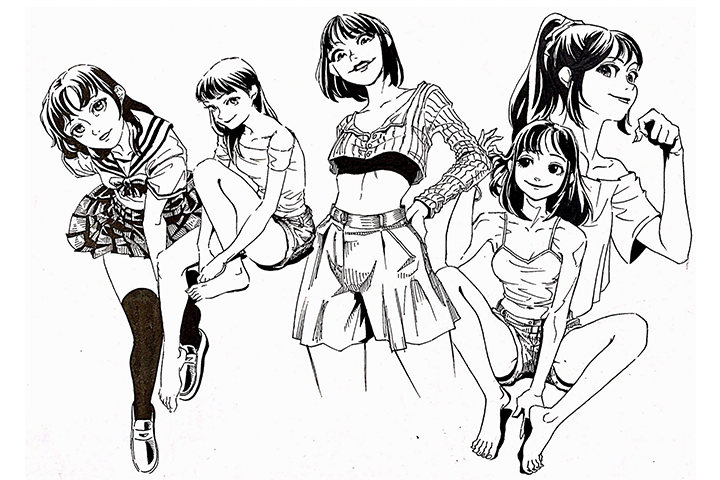 You spend hours studying your favorite artists, meticulously replicating their techniques, yet your own work still feels… derivative. You follow every step, yet the result still lacks that spark of true originality. It’s a common creative roadblock, and often the perceived solution—adopting a unique “drawing style”—is misleading. The real key to making your art stand out lies much deeper, in the fundamentals of your execution.
💡 Three Pillars of Recognizable Artistry
The script highlights that true distinctiveness isn’t about mimicking a popular style. Instead, it’s deeply rooted in the fundamental elements of your artistic process: lines and colors. Mastering these, and understanding their nuances, is what will make your work instantly identifiable, even when using different overall styles.
1. The Subtle Power of Lines: Beyond Habits
The script emphasizes that “lines are habits.” This refers to the subconscious, almost automatic ways you approach drawing. Think about your natural pen pressure, the range of your arm movement, or how you grip your pencil. These aren’t just random quirks; they are the building blocks of your unique line quality.
- The Problem with Writing Habits: Using your fingers and wrist for fine motor control, much like writing, limits your drawing range. This can lead to “chicken scratch” lines, which are inefficient for large drawings or long, smooth strokes.
- The Solution: Axis-Based Movement: To achieve confident, efficient lines, practice using different joints as axes. For long lines, fix your wrist and fingers and use your shoulder. For small circles or curves, you might pivot from the elbow. This practice improves time efficiency and creates a more fluid, controlled line.
- The Insight: It’s not just about learning a technique—it’s about shifting how you perceive and control your drawing tools. This conscious application of movement creates an “ego of the line,” making your mark-making inherently unique.
2. Color: The Subjective Symphony
While color theory provides a framework (hue codes, saturation, brightness), our personal interpretation and application of color are inherently subjective. The script explains that what one person perceives as “sky blue” can vary greatly, making color a deeply personal and distinct element.
- Subjectivity in Practice: We don’t always rely on precise codes; instead, we interpret colors based on personal preference and emotional response. This subjective use of color, combined with cultural or personal associations, makes it a powerful differentiator.
- Beyond the Code: When selecting colors, consider not just the theoretical values but also the mood and impact you want to convey. This personal touch is what makes your color choices unique and contributes to your overall artistic voice.
3. Drawing Style as a Versatile Weapon
The script argues that “drawing style is a weapon,” not a defining characteristic in itself. This means you should aim for versatility. Instead of being confined to one style, think of mastering various styles (realistic, stylized, etc.) as building a diverse arsenal.
- Embrace Diversity: Having multiple drawing styles makes you more adaptable and useful across different projects. It allows you to maintain your individual line and color distinctiveness while fitting various artistic requirements.
- The Benefit is Utility: The more versatile your skillset, the greater your utility. This allows you to contribute to diverse projects, blending your unique artistic voice with the demands of the brief.
🛠️ Key Skills & Details That Define Professional Quality
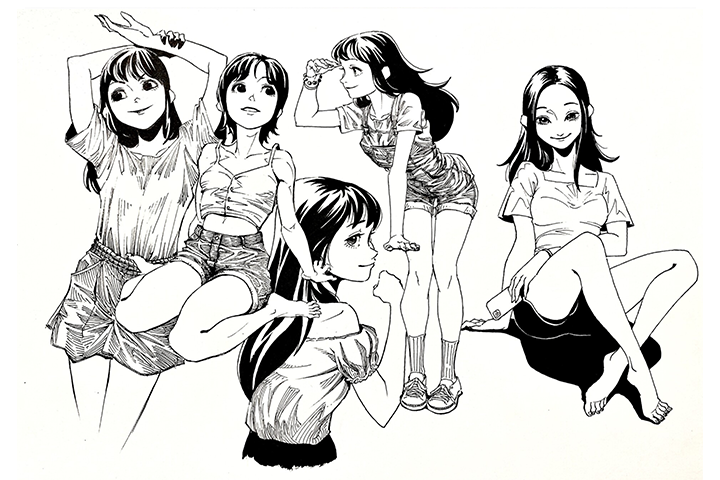
Mastering the principles of line and color distinctiveness translates into tangible skills that elevate your work. This is where the practical application truly shines, moving beyond theoretical understanding to hands-on execution.
- Line Control and Pressure Dynamics: The script touches upon the importance of understanding your tools. For traditional mediums like pencils and colored pencils, the feedback from paper and the variety of tip shapes (round vs. sharp) offer a tactile experience that builds distinctiveness. This manual work, with its inherent limitations and feedback, fosters a deeper connection to your mark-making. When practicing lines, experiment with pen pressure. Varying the force from light to strong, or vice-versa, creates dynamic lines that add visual interest and depth. This is crucial for expressive drawing, whether it’s for human bodies or character sketches.
- Thoughtful Eraser Use: While erasers are necessary for corrections, over-reliance can be a time sink and disrupt flow. The script advises using them judiciously. Instead of erasing minor imperfections, aim to control your lines from the start. This refined approach to correction saves time and reinforces intentionality in your linework.
- Purposeful Line Application: Every line should serve a purpose. Whether it’s about conveying speed, strength, or direction, having a clear intention behind your line choices adds a layer of sophistication. This intentionality, what the script calls the “ego of the line,” prevents your work from feeling uniform or boring, ensuring each stroke contributes to the overall artistic statement. Practicing connecting points A and B, both with straight lines and curves, is a fundamental exercise to build this control and the ability to execute your desired lines freely.
💬 Frequently Asked Questions
Q. How can an Illustrator improve their line distinctiveness if they primarily use digital tools?
Answer: While digital tools offer convenience, they can sometimes homogenize line quality due to standardized brush options. To cultivate distinctiveness, focus on manual practice outside of digital work. Experiment with various traditional tools like pencils, charcoal, and inks. Pay close attention to pen pressure, line weight variation, and the tactile feedback these analog mediums provide. When working digitally, explore custom brush settings that mimic natural media or vary stroke dynamics, and practice drawing with deliberate, axis-based movements rather than relying solely on finger/wrist control.
Q. Why is “drawing style” not considered the primary source of distinctiveness for an Illustrator?
Answer: The script explains that drawing styles are often influenced by market trends (e.g., North American or Japanese styles) and can be imitated. While a truly unique style can be distinctive, most common styles are learnable and reproducible. True distinctiveness, according to the expert, comes from more fundamental, personal elements: the unique way an artist applies lines (based on their habits, pressure, and movement) and their subjective color choices. These elements are harder to copy and are deeply ingrained in the artist’s individual approach.
Q. How can an Illustrator develop the habit of using lines effectively for distinctiveness, rather than just writing habits?
Answer: Developing effective line habits requires conscious practice and intentionality. Start by understanding your current habits—are you relying too much on finger and wrist movement? Practice drawing longer, smoother lines by engaging your elbow and shoulder as axes. Use exercises like “tracking” to connect points A and B with confidence, focusing on consistent pressure and form. Additionally, experiment with different tools and their unique characteristics, like the feedback from a pencil or the flow of ink. This hands-on exploration helps build muscle memory and a personal approach to line work that feels natural and distinct.