🛠️ Professional-Grade Execution: Translating Theory into Impact
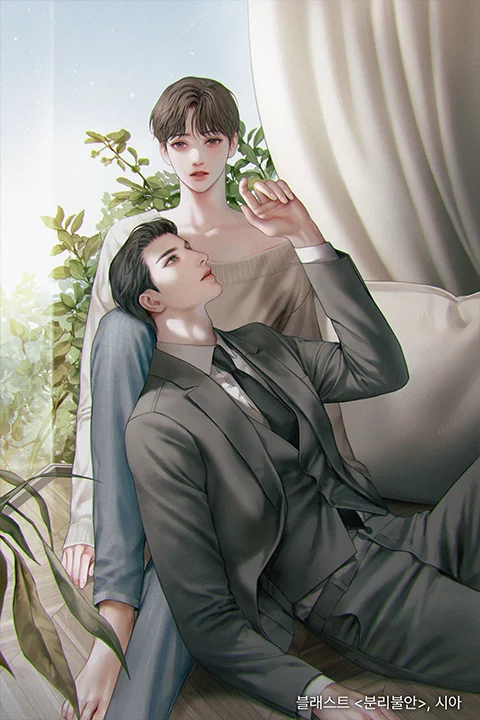 Moving beyond basic rendering involves a deep understanding of how visual elements communicate. This course emphasizes practical application by focusing on how to use photo sources for high-quality illustrations, transforming raw references into polished artwork that feels cohesive and intentional. It’s about understanding the interplay between line weight, value, and color to guide the viewer’s eye directly to the story’s emotional core. The goal is to create visuals that not only capture attention but also resonate deeply, encouraging engagement and purchase. Mastering these techniques allows artists to develop a signature style while meeting diverse client needs.
💬 Frequently Asked Questions
Q. How does an Illustrator approach developing unique concepts for different story genres?
An Illustrator focuses on deconstructing the core narrative and emotional arc of each genre. For contemporary stories, this might mean researching current visual trends and relatable settings. Historic genres require deep dives into period accuracy and mood-setting details. Romance fantasy involves balancing the fantastical with emotional intimacy. The key is to move beyond literal interpretations and visualize the promise of the story.
Q. What are some practical tips for applying color theory beyond the basics in web novel cover art?
An Illustrator suggests experimenting with less conventional color harmonies, like tetradic palettes, and using accent colors strategically to create focal points and evoke specific emotions. Analyzing how color impacts mood and using it to subtly hint at plot elements or character psychology is crucial. This involves understanding color psychology and applying it in unexpected ways to make a cover visually arresting.
Q. How can an Illustrator add subtle storytelling details to cover art to enhance reader engagement?
An Illustrator emphasizes including small, narrative-driven visual cues. This could be a specific prop, an atmospheric effect, or a compositional choice that hints at the plot or a character’s internal state. These details act as visual hooks, inviting the reader to discover more about the story. It’s about making every element work to tell a micro-story within the larger narrative.