💡 3 Core Principles for Dynamic Character Art
1. Embrace Imperfection for Dynamic Forms
It’s not just about learning the technique — it’s about shifting how you think about artistic creation. Dojen emphasizes moving beyond a fixation on “drawing perfectly.” Instead, focus on intuitive painting, using movement, composition, and emotion to create characters that feel alive. This approach encourages experimentation and allows for unexpected, yet powerful, artistic solutions.
2. Leverage Silhouettes for Visual Storytelling
Prioritize strong silhouettes to enhance your ability to communicate visually. Dojen suggests that powerful compositions are often built from well-defined shapes that convey character and action at a glance. This principle is crucial for making your characters instantly readable and impactful, even before detailing.
3. Master Soft Gradients for Organic Materials
For materials like fur and fabric, the key is smooth gradients and gentle form transitions. Unlike hard surfaces, these materials rely on subtle value shifts and brush pressure to convey softness and flow. Focus on creating a pillowy transition in fur by building shadows and highlights gradually, ensuring the form feels natural and not stiff. This patient approach creates a solid base for further textural refinement.
🛠️ Key Skills & Details That Define Professional Quality
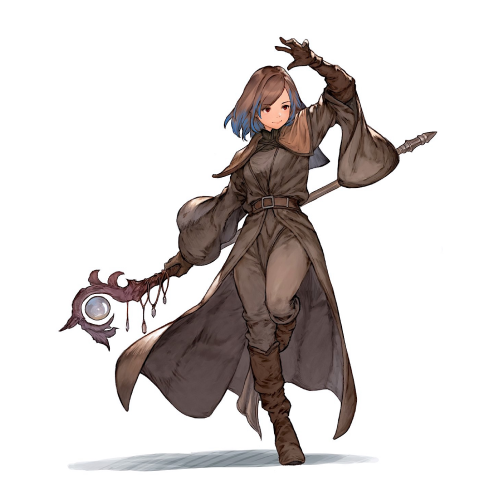
Dojen’s approach focuses on practical, hands-on techniques that translate directly into compelling artwork. Here’s how to apply these principles:
- Brush Control and Pressure Dynamics: For soft materials like fabric and fur, learn to use smooth gradients and subtle value shifts. Mastering brush pressure and edge control is key to conveying material softness and flow, transforming a flat shape into a dimensional form.
- Workflow Efficiency with Layers and Layer Modes: Don’t shy away from using multiple layers and layer modes. Duplicating your main layer and applying modes like ‘Multiply’ or ‘Overlay’ with an eraser or mask can significantly enhance depth and texture. This allows for more technical variety and creative solutions for material rendering.
- Strategic Detail Application: It’s not about rendering every single strand of fur or every fold of fabric. Instead, focus on suggesting clumps, guiding the eye with directional strokes, and placing highlights strategically where light naturally hits. This applies to all materials; understand the logic of light and form to stylize surfaces believably. For instance, with metal, sharp specular highlights on curved areas are crucial for selling the metallic look, contrasting bright against soft mid-tones.
💬 Frequently Asked Questions
Q. How can Illustrator Dojen’s techniques help me create characters with more emotional depth?
A. Illustrator Dojen emphasizes using expressive faces, dynamic poses, and subtle rendering techniques to convey emotion. By focusing on how light and form interact with materials, you can imbue your characters with a sense of personality and inner life, making them more relatable and impactful.
Q. Illustrator Dojen suggests focusing on silhouettes. Why is this important for character design?
A. Strong silhouettes are fundamental for visual communication. They ensure your character’s design is readable and impactful, conveying their essence and movement even in a simplified form. This focus helps in creating memorable characters that stand out.
Q. Illustrator Dojen mentions “embracing imperfection.” How does this apply to rendering textures like stone or metal?
A. Instead of aiming for hyper-realistic, flawless rendering, Dojen encourages understanding the core behavior of materials under light. For stone, this might mean using rough strokes and controlled contrast to suggest facets. For metal, sharp specular highlights and careful value shifts define its reflective nature. The goal is believability within your chosen style, not necessarily exact replication.