Anime Illustration: Mastering Semi-Lineless Depth and Structure
🧐 When Your Flat Anime Designs Lack That Professional “Pop”
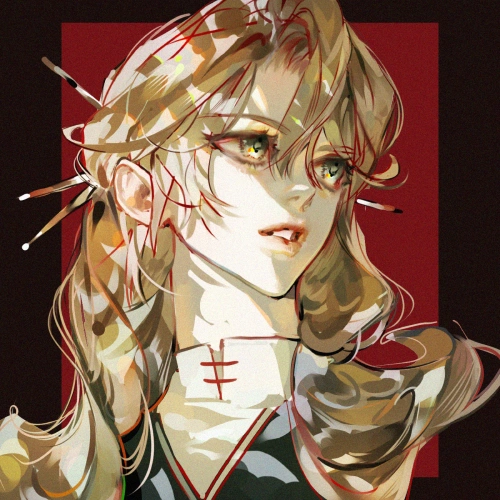 It’s a common hurdle: you’ve got the concept, the linework is clean, but the final illustration still feels… flat. You’re missing that crucial sense of depth, weight, and visual interest that separates good from great. Many struggle with translating a stable design into a richly rendered piece, leading to illustrations that feel unfinished or cluttered.
💡 Three Core Principles for Semi-Lineless Brilliance
These insights from Illustrator Doyune Cheon focus on building form through tone and mass, leading to cleaner, more intuitive anime-style art.
1. Core Guide to High-Density Semi-Rimless Style
This isn’t about tracing lines perfectly. It’s about understanding that solid forms can be constructed using only tone and mass. Think about building your illustration from the ground up with these elements. Focus on human anatomy, eye flow, and the subtle emotional lines that guide the viewer’s gaze. The goal is clarity: high-density semi-lineless art that feels intuitive and stable, avoiding the common pitfall of becoming a muddy mess.
2. Expressive Composition & Rendering Depth
Move beyond flat rendering. This involves developing a solid grasp of human anatomy and practical, composition-focused skills. Learn how to use color, tone, and brushwork to create a tangible sense of depth. This includes understanding how clothing interacts with the body, rendering wrinkles and folds to show structural direction, pressure, and even sagging, adding a layer of realism and visual storytelling.
3. Refining the Visual Narrative Through Detail and Brushwork
The final polish is critical. This involves carefully deciding which areas to detail and which to omit to enhance the overall impact. Master brushstroke flow and texture to imbue your work with a unique feel. Understand depth and information priority – knowing what elements need to be sharp and clear versus what can be softer or implied to guide the viewer’s eye effectively and create visual rhythm.
🛠️ Key Skills & Details That Define Professional Quality
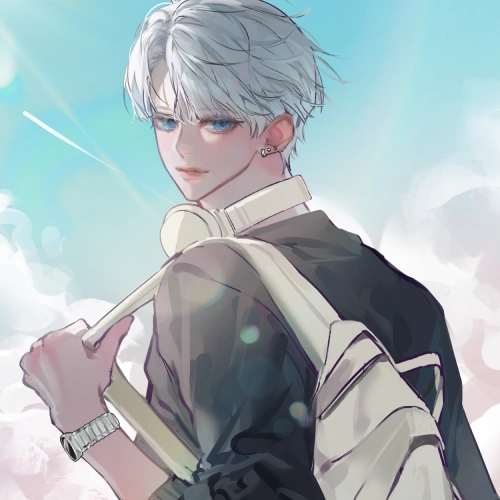
Professional anime illustration relies on more than just software features; it’s about the nuanced application of techniques. For instance, understanding how to create the sense of body structure under clothing is paramount. This involves learning to render wrinkles and folds not just as surface details, but as indicators of underlying form, pressure points, and the way fabric hangs. This translates directly from conceptual understanding to precise brushwork.
Furthermore, mastering composition for impact is essential. This means practicing with perspective lines and shapes, developing persuasive close-up compositions, and effectively using accessories, clothing, and effects to enhance the narrative. Even seemingly minor elements, like emotion charts for eye and hand gestures, play a crucial role in conveying character and story. The effective use of point color placement, brushstroke flow, and texture comparison guides are all practical skills that professionals leverage to elevate their output quality. Thinking about depth and information priority ensures that the viewer’s eye is led precisely where it needs to go, making the entire piece more engaging and understandable.
💬 Frequently Asked Questions
Q. How does an Illustrator approach creating a sense of body structure under clothing without relying solely on visible lines?
An Illustrator achieves this by focusing on rendering the subtle cues of the underlying form through how the fabric behaves. This includes understanding and drawing wrinkles, folds, and tension points in the clothing that directly reflect the body’s shape and posture. The play of light and shadow on the fabric also becomes crucial in suggesting the three-dimensional form beneath.
Q. What is the main benefit of the high-density semi-rimless style in anime illustration?
The main benefit is achieving illustrations that are clean, intuitive, and visually stable, avoiding the common issue of images becoming cluttered or disorganized. This style prioritizes building form through tone and mass, leading to a stronger visual foundation that can be rendered with greater clarity and impact, even without traditional linework.
Q. How can an Illustrator effectively use composition to create tension in anime-style artwork?
An Illustrator can create tension through composition by strategically arranging elements to guide the viewer’s eye, using dynamic lines, playing with negative space, and employing perspective shifts. Practice with rough sketches for close-up compositions and scene composition examples that aim to create unease or anticipation are key. Understanding how to use color and value contrast can also significantly contribute to building tension.