💡 Three Core Techniques for Captivating Male Characters
1. Finding the Right Mood with Color Palettes
It’s not just about picking pretty colors; it’s about understanding how color directly influences a character’s perceived personality. For instance, using cooler, desaturated tones can create a sense of calm or mystery, while warmer, more vibrant hues might suggest energy or friendliness. This class emphasizes selecting color palettes that align with your character’s core concept, making them instantly relatable and visually distinct.
2. Strategic Lighting for Enhanced Character Depth
The way light hits your character can dramatically alter their feel. Single-tone shading, a key technique here, isn’t just about creating shadows; it’s about defining form and volume efficiently. Understanding how to use light sources to accentuate specific features – like the jawline for a strong look or softer lighting for a gentler feel – can add incredible depth. This class breaks down how to use light direction and intensity to sculpt your character’s presence, moving beyond flat rendering.
3. The Power of Composition in Defining Personality
A character’s pose and framing are crucial storytelling tools. Learn to leverage composition to communicate your character’s mood and essence. Whether it’s a dynamic pose emphasizing movement or a static, focused shot highlighting intensity, the framing itself tells a story. This course guides you through practical application, showing how subtle shifts in perspective or framing can significantly impact how the viewer perceives the character’s personality.
🛠️ Key Skills & Details That Define Professional Quality
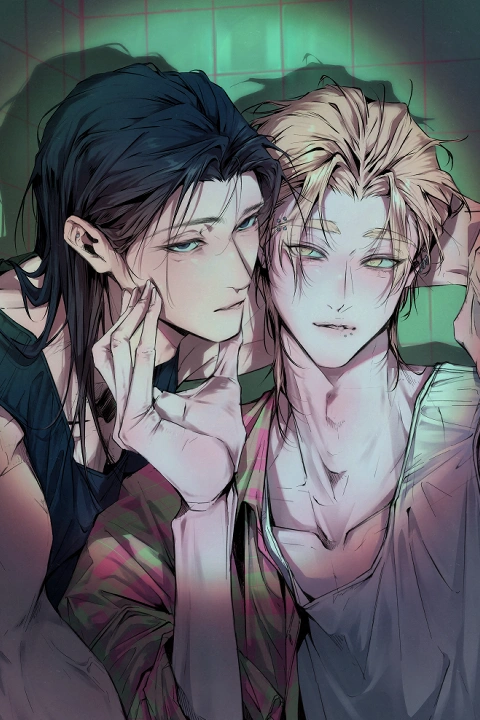
Beyond basic rendering, professionals master specific techniques that elevate their work. For instance, understanding brush dynamics – how pressure and flow affect line weight and texture – is critical for creating lively linework. This translates directly into character vitality.
When it comes to coloring, the expert’s approach to cel shading isn’t just about hard edges. It involves strategic placement of gradients and highlights to suggest form and material. Mastering gradient maps and understanding how to use them for base colors can drastically speed up workflow while maintaining visual interest.
Finally, the class dives into lighting setups. Rather than relying on generic lighting, the focus is on understanding why a certain light source works for a specific mood. This involves studying how different lighting conditions – like lens flares, neon glows, or natural sunset light – can be adapted to enhance a character’s existing design and personality. The practical application of these techniques, shown through time-lapse demonstrations, provides clear, actionable steps for immediate improvement.
💬 Frequently Asked Questions
Q. How can Illustrator dubu’s techniques help me create more visually appealing male characters?
Illustrator dubu’s methods focus on using color and lighting not just as rendering tools, but as primary elements for conveying character personality and mood. By mastering specific color palette selection and strategic lighting application, you can imbue your characters with a distinct aura, making them more memorable and engaging to viewers.
Q. What specific Illustrator techniques are covered for improving character drawing?
This course emphasizes practical composition strategies and the effective use of cel shading. You’ll learn how to use different perspectives and eye levels to create dynamic poses, and how to apply single-tone shading for a sophisticated, three-dimensional effect. The focus is on actionable techniques that directly translate to higher quality character illustrations.
Q. Illustrator dubu mentions three distinct character concepts; how are these applied in the course?
The course breaks down character creation into three core concepts: a relaxed full-body illustration, a dark upper-body illustration, and a bright bust illustration. For each, you’ll learn specific compositional approaches, lighting choices, and color strategies that enhance the character’s intended personality and mood, providing a comprehensive understanding of how to diversify character presentation.