Mastering Character Design: EB十’s Secrets to Trendy Anime Styles
🧐 The Frustration of Creating Characters That Fall Flat
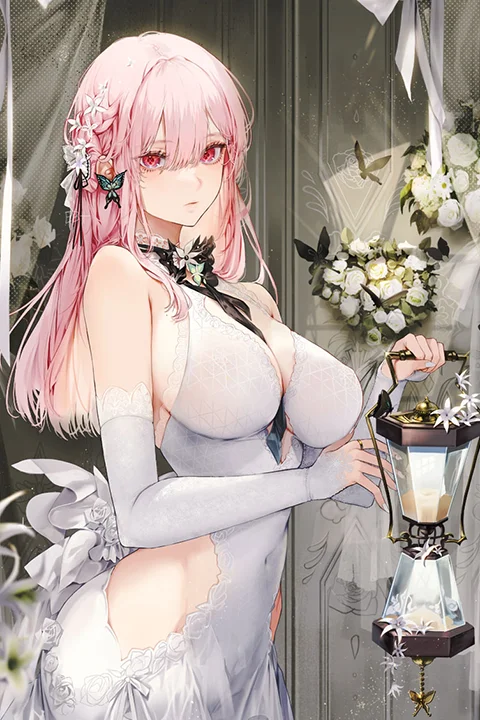 You’ve poured hours into a character, but something’s just not clicking. The pose feels stiff, the details are muddy, and it doesn’t quite capture that unique spark you envisioned. Turns out, refining your character’s personality and ensuring it pops on screen often comes down to a few key, often overlooked, details in the design and rendering process.
💡 EB十’s Core Strategies for Eye-Catching Characters
1. Stylization with Purpose: Beyond Basic Archetypes
The key isn’t just drawing a “child,” “teenager,” or “adult.” It’s about understanding how to stylize these fundamental age groups to convey specific moods and concepts. This involves more than just proportional tweaks; it’s about adjusting facial features, body language, and even the implied texture of their clothing to match their narrative role. For instance, a child character might have softer, rounder features and a more spontaneous pose, while an adult might exhibit more refined lines and deliberate posture. This intentional stylization ensures each character feels distinct and alive, regardless of genre.
2. The Fabric of Personality: Mastering Clothing Folds and Materials
Simply drawing clothes isn’t enough. Professionals know that the way fabric drapes and folds tells a story about the character and their environment. Instead of generic lines, focus on understanding how different materials behave: stiff denim will have sharper, more angular folds, while flowing silk will create softer, more organic curves. Pay close attention to how light and shadow interact with these folds. Practicing with specific clothing items, like school uniforms, helps build a repeatable workflow for rendering textures and material properties accurately, adding a layer of realism and depth that significantly boosts the illustration’s overall quality.
3. The Subtle Art of Expressive Detail
Making characters captivating goes beyond a well-drawn face. It’s about infusing them with personality through nuanced gestures and facial expressions. Even subtle shifts in eyebrow angle or the slight tilt of a head can convey a wealth of emotion. Learn to observe and translate these micro-expressions into your artwork. This technique is crucial for making your characters relatable and memorable, especially in conceptual anime styles where emotional resonance is paramount. Think about how a specific pose or a slight smirk can communicate more than pages of text.
🛠️ Key Skills & Details That Define Professional Quality
Achieving that polished, professional look in character design hinges on mastering specific technical skills and applying them with intent. It’s not just about what software you use, but how you use it to bring your vision to life.
For instance, when drawing facial features, understanding the underlying structure of the skull and muscles allows for more accurate and varied expressions. This knowledge informs how you apply line weight and shading to create volume and form. Similarly, for clothing, the ability to depict complex folds, like those found in frills or layered garments, requires a keen eye for how fabric interacts with the body and gravity. Practicing rendering different material types – from the sheen of leather to the softness of cotton – adds a tactile quality that makes characters more believable.
Furthermore, the process of stylization itself is a technical skill. It involves learning to exaggerate or simplify certain features while maintaining anatomical plausibility. This allows you to create unique art styles that stand out. The expert’s approach emphasizes not just the final look, but the underlying principles that enable consistent, high-quality results across various character concepts and genres. This involves detailed work on skin texture, hair rendering, and creating attractive body shapes, all while balancing realistic elements with fantastical themes.
💬 Frequently Asked Questions
Q. How can an Illustrator effectively stylize characters of different ages for conceptual anime designs?
Illustrators can effectively stylize characters by focusing on how age influences proportions, facial features, and overall demeanor. For younger characters, emphasize rounder shapes, larger eyes, and more spontaneous poses. For older characters, refine facial structures, adjust proportions for a more mature build, and consider more deliberate or confident stances. It’s about capturing the essence of an age group through exaggeration and simplification, rather than just drawing realistic anatomy.
Q. What are the most critical details for an Illustrator to focus on when drawing clothing folds and materials to enhance realism?
For an Illustrator, the critical details for clothing folds involve understanding the fabric’s material properties (e.g., stiffness, drape, texture) and how they interact with the character’s pose and body shape. Observe how light and shadow fall on these folds to create volume. Instead of drawing every single fold, focus on the major ones that define the garment’s form and movement. Practicing with reference images of specific materials like denim, silk, or knitwear will significantly improve your ability to render them convincingly.
Q. As an Illustrator, what’s the best way to convey mood and personality through gestures and facial expressions in character design?
Illustrators can best convey mood and personality by studying the nuances of human expression and body language. Small adjustments, like the angle of eyebrows, the tension in the jaw, or the subtle curve of lips, can drastically change a facial expression’s emotion. Similarly, a character’s posture – whether slumped, rigid, or relaxed – communicates their internal state. Practicing drawing a wide range of expressions and poses, even for the same character, helps build a repertoire of visual cues that make them feel more dynamic and relatable.