Illustrator Maximalism: Mastering Detailed Character Design Beyond the Basics
🧐 Why Do So Many Illustrations Lack That Distinctive “Pop”?
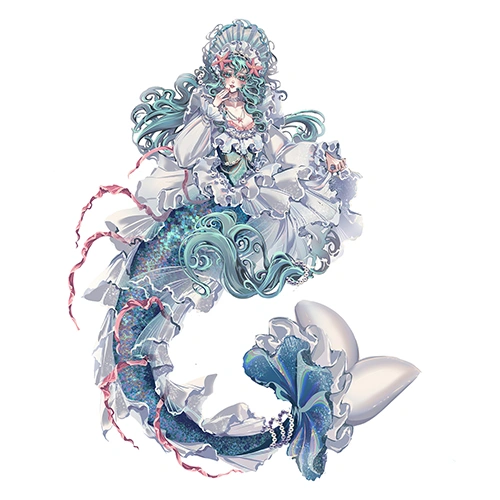 You meticulously follow every step, yet the final illustration feels… flat. The characters don’t quite seize attention, and the outfits blend into the background. The issue often lies not in technical skill, but in the foundational approach to detail and design. Many artists get stuck on simplification, overlooking the power of maximalism to truly make a character unforgettable.
💡 Three Core Principles for Maximalist Illustration Success
Here are three key takeaways from Illustrator Elie’s approach that will fundamentally shift how you build and detail your characters.
1. Embrace the Concept of “More is More”
It’s not just about adding random elements; it’s about intentional layering and detail. Maximalism, in this context, means pushing beyond the basic form to imbue characters with personality, story, and visual richness. Start by breaking down a simple idea into numerous variations. This process, which Elie emphasizes, involves exploring a wide spectrum of clothing options, accessories, and bold color palettes that make each character uniquely yours. Think of it as building a character’s identity through a carefully curated visual language, rather than just drawing a person.
2. Integrate Fundamentals into Creative Exploration
While maximalism is about abundance, it’s built on solid ground. Elie doesn’t just focus on decorative elements; she ensures a strong understanding of core principles like anatomy, composition, and lighting. These aren’t just theoretical concepts; they are tools that allow your maximalist designs to feel cohesive and believable, even when highly stylized. For instance, understanding how light interacts with different materials allows you to add depth and texture to intricate outfits, making them feel tactile and real. This is where the “fun” in the creative process truly shines – when the technical scaffolding supports boundless imagination.
3. The Power of Iteration and Learning from “Mistakes”
Elie’s method actively encourages experimentation. By creating multiple variations from a single concept, you’re not just generating options; you’re learning. The class highlights Elie’s own process, including adjustments and lessons learned from what might traditionally be considered “mistakes.” This iterative approach, combined with detailed reference materials like layered Clip Studio Paint files and brush collections, allows for a deep dive into problem-solving and refinement. The goal is to develop a professional workflow where every decision, even the ones that seem to go awry, contributes to the final, polished outcome.
🛠️ Key Skills & Details That Define Professional Quality
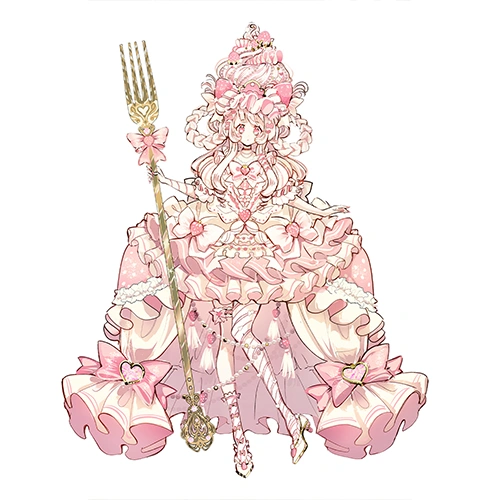
Moving beyond theoretical understanding, mastering maximalist illustration involves translating these principles into tangible artistic execution. This means developing a keen eye for how details contribute to the overall narrative of a character.
- Strategic Detail Application: Understand why a particular accessory or pattern is being added. Does it reflect the character’s background, personality, or the world they inhabit? For example, adding specific emblems or wear-and-tear to clothing tells a story without a single word.
- Color and Palette Mastery: Maximalism thrives on bold, diverse color palettes. Learn to experiment with color harmonies that not only make characters pop but also convey specific moods or themes. This involves understanding color theory beyond basic combinations to create visually dynamic and engaging compositions.
- Outfit Design Nuance: Developing unique outfits requires more than just sketching clothes. It involves understanding silhouette, fabric texture, and how different elements can be layered and combined to create a distinct style. Elie’s approach shows how to take simple ideas and evolve them into elaborate, yet harmonious, ensembles.
- Refinement Through Practice: The course includes practical exercises that guide you through creating design sheets and final illustrations. This hands-on experience, coupled with access to reference materials and brush sets, is crucial for developing the dexterity and visual vocabulary needed for complex character design.
💬 Frequently Asked Questions
Q. How can an Illustrator effectively use maximalist principles without making their artwork look cluttered or messy?
A. The key is intentionality and a strong foundation. Maximalism isn’t about adding everything randomly; it’s about strategically layering details that enhance the character’s story and personality. This involves a deep understanding of composition, color theory, and anatomy to ensure that even with abundant detail, the focal points remain clear and the overall design feels cohesive. Focusing on a consistent visual theme and narrative for the character helps guide the placement and type of details.
Q. What specific tools or techniques does Illustrator Elie recommend for managing the complexity of highly detailed illustrations in software like Clip Studio Paint?
A. Illustrator Elie provides access to her personal collection of Clip Studio Paint brushes, which are tailored for detailed work. She also emphasizes the use of layered files, character design sheets, and demonstrative timelapses. These resources are designed to help artists study their workflow, understand her adjustments, and learn how to efficiently manage complex projects with numerous details and elements.
Q. For an Illustrator who struggles with creating standout character outfits, what is the most impactful first step to take when applying maximalist design concepts?
A. Start by creating a mood board based on reference images that inspire you, focusing on specific aesthetics, historical fashion, or even abstract concepts. Then, experiment with turning simple ideas into multiple variations. Don’t be afraid to explore unusual combinations of clothing, accessories, and bold color palettes. The goal at this stage is to generate a wide range of possibilities, pushing beyond conventional designs to discover unique stylistic elements that can then be refined.