Anime Face Drawing: Fix Common Beginner Mistakes & Elevate Your Style
🧐 Faces are the hardest part, but also the most rewarding. Yet, you’re stuck with flat, lifeless expressions.
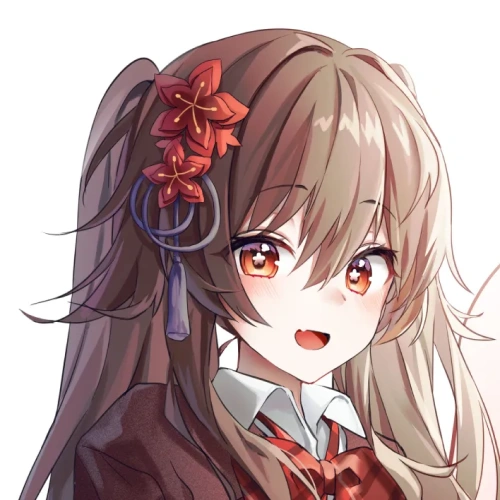 You’ve spent hours on character faces, meticulously drawing eyes, noses, and mouths, but something still feels off. The expressions lack punch, and the overall look is a bit… generic. It’s a common frustration for aspiring illustrators, and the solution isn’t always obvious. Often, the disconnect happens in the foundational shapes and how the smallest details influence the entire impression. Let’s break down how to move beyond the basics and create truly captivating character faces.
💡 Three Core Principles for Drawing Dynamic Anime Faces
1. The Power of the Basic Head Shape: Building from the Ground Up
It’s not just about drawing a perfect circle. Understanding fundamental head shapes and how they translate across different angles is key. This class emphasizes starting with rough sketches to get a general feel, then refining based on 11 different angles provided. It’s about building a solid structure before diving into details like eyelines and eyelashes, which dramatically impact a character’s impression.
2. Mastering Expression Through Subtle Details: Beyond a Smile or Frown
Characters come alive through their expressions. This goes beyond just drawing a smile. Focus on the nuances: the subtle curves of the eyes, the slight tilt of the head, the delicate shading at the corners of the eyes. These small adjustments, when applied correctly, make a massive difference in conveying emotion and personality. The course provides a structured approach to learn how these tiny details elevate the overall expressiveness.
3. Avoiding Common Pitfalls: What Beginners Often Get Wrong
Many beginner classes focus heavily on theory, which can be overwhelming. This approach prioritizes practical, easy-to-understand explanations. One crucial aspect is identifying and correcting common mistakes that lead to unbalanced or unappealing faces. By understanding these typical errors, you can proactively avoid them and build a stronger foundation for your character art.
🛠️ Key Skills & Details That Define Professional Quality
When you’re aiming for that professional polish in your character illustrations, it’s all about the granular details that build up to a cohesive whole. Think beyond just basic shapes; consider how light and shadow interact with the face.
- Strategic Shading: Identifying primary shadow areas based on light direction is crucial. This isn’t just about coloring; it’s about understanding form. Applying further depictions that consider the overall color and brightness of the work adds depth and realism.
- Line Art Refinement: Moving from a rough sketch to clean line art is an art in itself. Ensuring your lines convey the intended weight and style of the character is paramount. This means selecting the right line weight for different features and ensuring clean connections.
- Color Harmony: Choosing a base color that matches the character design and overall mood sets the stage. The subsequent color adjustments and highlights should complement this initial choice, creating a visually pleasing and unified piece.
💬 Frequently Asked Questions
Q. How can an Illustrator improve their understanding of facial proportions for anime characters?
Illustrator Hae0 emphasizes starting with basic head shapes and utilizing provided templates that feature 11 different angles. This approach helps build a foundational understanding of how proportions change from various viewpoints before adding detailed features.
Q. What is the most effective way for a beginner Illustrator to practice drawing different character expressions?
Focus on the subtle details of the eyes and mouth, and how they interact with other facial features. Illustrator Hae0 highlights that small adjustments, like the curve of the eyeline or the shading at the corners of the eyes, can significantly alter an expression, moving beyond simple happy or sad.
Q. What are common mistakes an Illustrator should watch out for when drawing anime faces?
Beginners often struggle with unbalanced features or lack of depth in expressions. The class addresses these common pitfalls directly, offering easy-to-understand explanations and practical exercises to help illustrators avoid issues related to composition and the correct rendering of facial details.