Character Design: Master Weapon Silhouettes with Illustrator Heiro
🧐 Frustrated by Flat Weapon Designs?
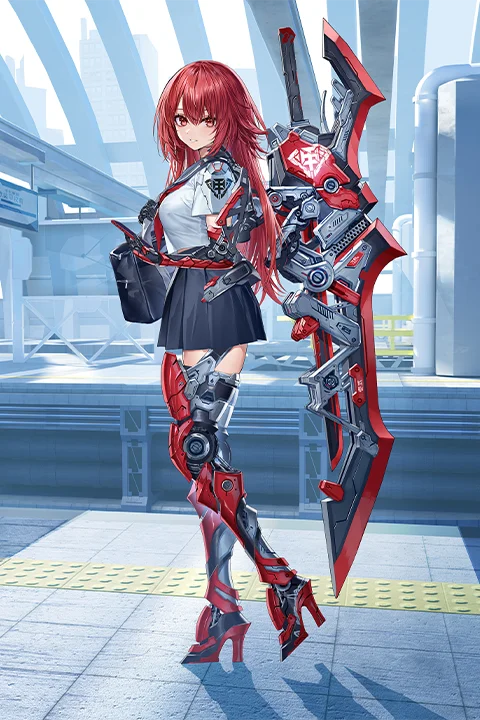 You meticulously craft your characters, but their weapons sometimes fall flat, lacking that distinct visual punch. It feels like you’re missing a crucial step in making those iconic props truly shine. The truth is, the silhouette is where the magic begins, setting the stage for all the details that follow.
💡 3 Core Tips for Powerful Weapon Design
1. Silhouette First, Details Later
The foundation of any striking weapon design lies in its silhouette. Illustrator Heiro emphasizes starting with a clear, readable shape before diving into intricate details. This principle ensures your weapon reads well from a distance and possesses a strong visual identity. It’s not just about learning a technique; it’s about shifting your mindset to prioritize the overall form before getting lost in the weeds.
2. Cyberpunk Meets Cruelty: Design Evolution
Heiro’s approach to designing a devil’s trident showcases a practical workflow. Instead of a simple, direct interpretation, they begin with a core silhouette and iteratively add elements. For a cyberpunk theme, this meant blending mechanical and futuristic design with a touch of infernal cruelty. This iterative process, where ideas often solidify during research and connection-making, is key. Don’t be afraid if the design stage takes time; it’s where unique concepts are born.
3. The Power of Grooves and Asymmetry
When incorporating mechanical or futuristic elements, adding subtle grooves at part joints is a pro move. This technique not only visually separates components, enhancing mechanical complexity, but also adds depth and prevents the design from feeling too flat. Similarly, while perfect symmetry can be appealing, slight asymmetry, like a heart-shaped arrowhead mimicking a devil’s tail, can add personality and narrative depth. Embracing these subtle imperfections often leads to more memorable designs.
🛠️ Key Skills & Details That Define Professional Quality
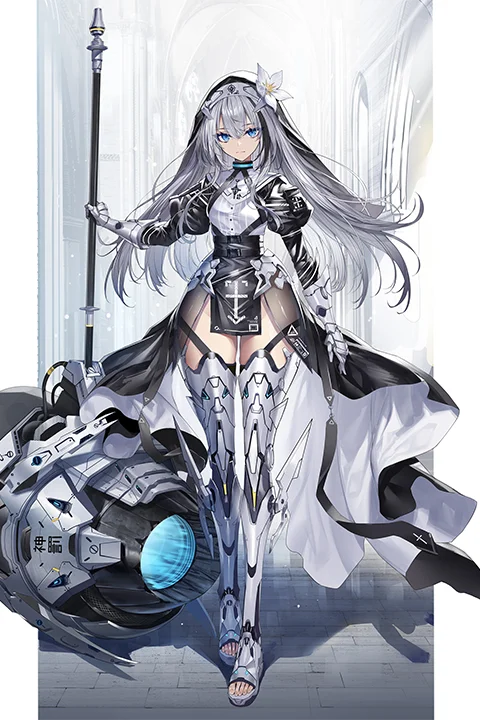
Mastering weapon design involves understanding how forms interact with perspective and silhouette. Heiro’s process highlights:
- Silhouette Refinement: Start rough, focusing on the overall shape. For a spear, consider how its pose (e.g., inserted into the body) might influence its form and silhouette. Extending tubes in near-future weapons can add dynamism and suggest underlying power.
- Adding Mechanical Detail: For cyberpunk or sci-fi weapons, incorporating elements like bolts, nuts, or distinct joint grooves adds that essential mechanical feel. This transforms a basic shape into something more elaborate and visually interesting.
- Balancing Symmetry and Uniqueness: While perfect left-right symmetry is achievable with tools like copy-pasting in front views, don’t shy away from asymmetry to convey personality. A heart-shaped detail, for instance, can communicate character lore. When perspective is involved, accepting slight imperfections in symmetry can be more realistic and aesthetically pleasing.
- Conceptualizing from Raw Data: For imaginary weapons, a clear internal design image is crucial. Be prepared for the visual to evolve during the creation process, and collect reference data iteratively to match your evolving concept.
💬 Frequently Asked Questions
Q. What is the most important step when designing a weapon for a character?
Illustrator Heiro stresses that starting with a silhouette is paramount. This initial, readable shape is the foundation upon which all other details are built, ensuring the weapon has a strong presence and identity, even from a distance.
Q. How can I make my weapon designs more interesting and less generic?
Focus on iterative refinement and incorporating unique design elements. Heiro suggests blending styles (e.g., cyberpunk with traditional motifs) and adding details like grooves at joints or asymmetrical features to enhance visual complexity and convey narrative.
Q. What’s the best way to approach drawing weapons for the first time?
It’s recommended to start with a frontal view when you’re new to weapon design. This allows for easier symmetry by drawing one half and mirroring it, simplifying the process before tackling more complex angles or perspectives.