Illustrating Romantic Scenes: From Sketch to Chemistry with Illustrator Jii
🧐 Ever feel like your characters are just… standing there?
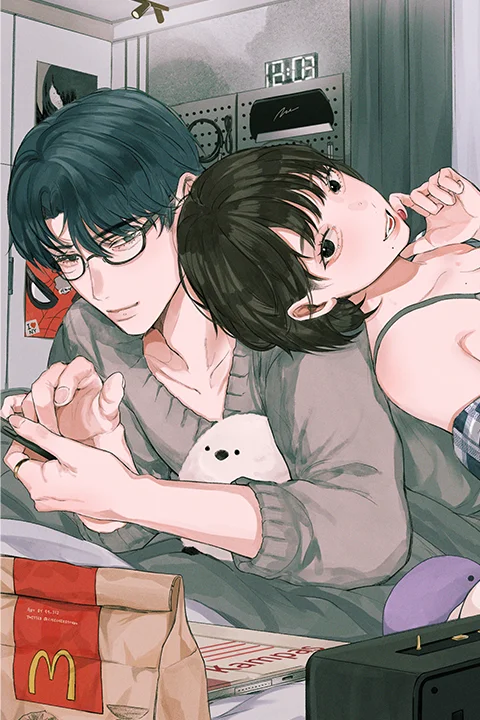
You pour hours into character design, nail the anatomy, and select the perfect colors. Yet, when it comes to depicting that crucial spark, that undeniable chemistry in a romantic scene, something still feels missing. The emotion is flat, the connection is weak, and the story just doesn’t land. It’s a common roadblock, turning a potentially dynamic illustration into a static portrait. The frustration comes from knowing the potential is there, but lacking the specific techniques to unlock it.
💡 Jii’s Core Principles for Evocative Romance Scene Illustration
1. Storytelling First: Beyond Just Pretty Faces
It’s not just about drawing attractive people; it’s about illustrating a narrative. Before you even pick up a stylus, brainstorm your characters’ backstories and their relationship’s arc. This deep dive into their lore is what fuels genuine emotional expression. Think about why they’re looking at each other that way, what unspoken words are passing between them. This internal narrative guides everything from their posing to subtle facial cues, making the romance feel earned and palpable.
2. The Power of Dual Illustration: Mastering Interaction
Creating a scene with two characters is fundamentally different from a solo portrait. Leverage assistive tools, especially 3D modeling in software like Clip Studio Paint, to understand composition and human anatomy in dynamic poses. This isn’t about making photorealistic figures, but about achieving naturalistic interaction. Focus on how their bodies lean towards or away from each other, the tension in their hands, or the shared glance. Mastering these dual illustration mechanics is key to conveying chemistry.
3. Palette Precision: Setting the Mood with Color
Color isn’t just decoration; it’s a direct line to emotion. Develop a keen sense for how different color palettes evoke specific feelings. A warm, soft palette might enhance tenderness, while a more dramatic contrast could signify passionate intensity. Experiment with personal color palettes tailored to the aesthetic and the story you’re telling. Manipulating colors strategically allows you to achieve countless results and maintain a distinctive, impactful touch in your final illustration.
🛠️ Key Skills & Details That Define Professional Quality
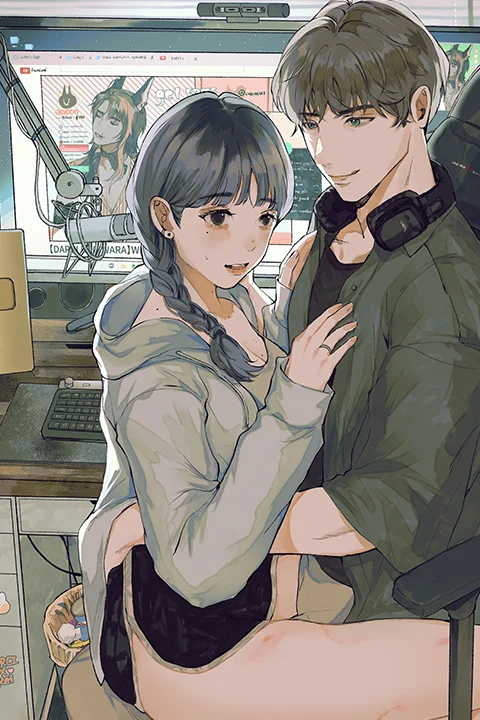
Translating the emotional intent into visual reality requires a mastery of specific technical skills. When illustrating characters, particularly in romantic scenes, focus on the subtle details that amplify the narrative.
For instance, consider the interplay between Procreate and Clip Studio Paint. Understanding the strengths of each program allows for an optimized workflow. Procreate excels in its intuitive brush engine for initial sketching and broad strokes, while Clip Studio Paint offers robust tools for line art refinement and the integration of 3D assets. Seamlessly switching between them based on the task at hand can dramatically improve efficiency.
Furthermore, the application of CSP’s 3D tools isn’t just for posing. It’s a powerful way to deepen your understanding of human anatomy, foreshortening, and perspective. Using these tools intentionally, even for reference, can lead to more accurate and dynamic character placements within a scene, enhancing the overall composition and conveying a stronger sense of depth and interaction. This deliberate use of software capabilities moves beyond simply feature usage to a more intentional and skilled approach to illustration.
💬 Frequently Asked Questions
Q. How does Illustrator Jii suggest approaching male versus female character design for romantic scenes?
A. Illustrator Jii emphasizes understanding the distinct structural differences in facial features and body construction, often utilizing simple geometric shapes as a foundation. The key is not to strictly adhere to stereotypes, but to explore concepts and palettes that allow for diverse character creation without limitation, ensuring both male and female characters possess individual charm and appeal that contribute to the scene’s narrative.
Q. What is the most effective way to capture emotional interaction between two characters in an illustration?
A. The most effective way, according to Illustrator Jii, involves focusing on posing and subtle cues that convey tension and emotional states. This includes considering how characters physically orient themselves towards or away from each other, the gestures of their hands, and the shared focus of their gaze. Utilizing 3D modeling tools can significantly aid in understanding and executing these dynamic interactions realistically.
Q. How can an artist determine the right color palette for a romantic scene?
A. Illustrator Jii advises that the choice of color palette should be deeply influenced by the story and the specific emotions intended for the scene. Different impressions necessitate different color choices; a gentle romance might call for softer, warmer tones, while a more intense or passionate encounter could benefit from bolder contrasts. Developing an understanding of how colors affect mood is crucial for impactful storytelling.