💡 Masterful Techniques for Anime-Inspired Visuals
Illustrator JLT4n breaks down the process into actionable steps that elevate your work from good to genuinely cinematic.
1. Composition is Storytelling: Framing Your Narrative
The core of a captivating scene isn’t just rendering skill; it’s how you guide the viewer’s eye. JLT4n emphasizes that composition is the bedrock of visual storytelling. By understanding principles like perspective types (1-point, 2-point, 3-point, and even fish-eye), and how to use leading lines effectively, you can direct the viewer’s attention precisely where you want it. This isn’t just about placing elements; it’s about making each element serve the narrative you’re trying to convey.
2. Photobashing for Realistic Depth: Seamless Integration
Achieving rich, detailed backgrounds without spending weeks on them can feel impossible. JLT4n introduces photobashing not as a shortcut to avoid drawing, but as a powerful tool for adding realism and complexity. The key is understanding how to select, manipulate, and blend photographic elements seamlessly with your painted artwork. This technique, refined over years of industry practice, allows for the creation of believable environments that feel grounded, even in fantastical anime settings.
3. The “Anime-Film Style” Rendering: Lighting and Materiality
What truly distinguishes a cinematic anime scene is the sophisticated handling of light and materials. JLT4n delves into techniques for creating dramatic lighting by focusing on the interplay of light and shadow, using form and structure to define characters and environments. This includes mastering subtle details like volumetric lighting, atmospheric color temperature shifts, and the distinct way light interacts with different material textures. This attention to detail is what makes a scene feel alive and immersive.
🛠️ Key Skills & Details That Define Professional Quality
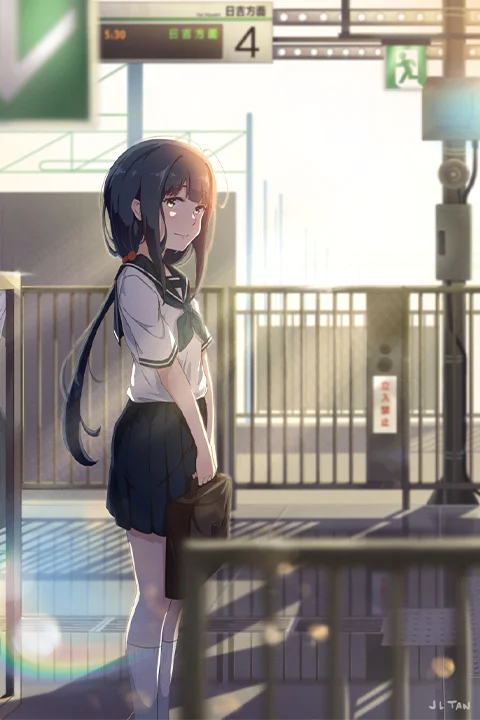
Beyond the broad strokes, the true mark of professional quality lies in the nuanced application of techniques. JLT4n’s approach focuses on practical, hands-on skills that directly impact the final image.
-
Mastering Perspective Beyond the Basics: It’s not enough to know perspective exists; you need to apply it dynamically. Learn how to integrate characters into the scene’s perspective, ensuring they feel organically placed, not just pasted on. This involves understanding how different perspective types affect the viewer’s perception of space and scale.
-
The Art of Blending and Atmosphere: Bringing a character and background together harmoniously is crucial. JLT4n demonstrates how to effectively blend characters into their environment by transferring the background’s ambient light, shadows, and color palette onto the character. This creates a unified and believable scene, avoiding the common pitfall of elements feeling disconnected.
-
Subtle Animation for Life: Even a still illustration can convey movement. JLT4n touches upon animating scenes, focusing on small, impactful elements like subtle character expressions or environmental details. Understanding the fundamentals of keyframing and color application in animation software can add a dynamic layer to your static images, breathing life into your creations.
💬 Frequently Asked Questions
Q. Illustrator JLT4n, how can I make my character illustrations feel more integrated with their backgrounds?
Illustrator JLT4n advises focusing on lighting and color harmony. Ensure the character’s lighting direction and color temperature match the environment. Tools like Photoshop’s Camera Raw presets for color grading can significantly help unify the scene. Applying the background’s ambient light and shadow cues directly onto the character is also a key technique.
Q. Illustrator JLT4n, what’s the most efficient way to create detailed backgrounds that still feel hand-painted?
Illustrator JLT4n suggests a hybrid approach using photobashing combined with digital painting. Start with a strong photographic base for realistic elements and lighting, then paint over it using custom brush sets for character and environment detail. This method saves time while allowing for artistic refinement and unique stylistic touches.
Q. Illustrator JLT4n, how important is understanding cinematography for an illustrator aiming for a cinematic style?
Illustrator JLT4n stresses that understanding cinematography is highly valuable. Concepts like framing, depth of field, lens flares, and color grading are directly transferable to illustration. Learning these principles helps create a stronger narrative, mood, and visual impact in your artwork, making it feel more like a movie still.