Level Up Your Character Art: Kafun’s Secrets to Powerful Visual Impact
🧐 The Frustration of Flat Character Art
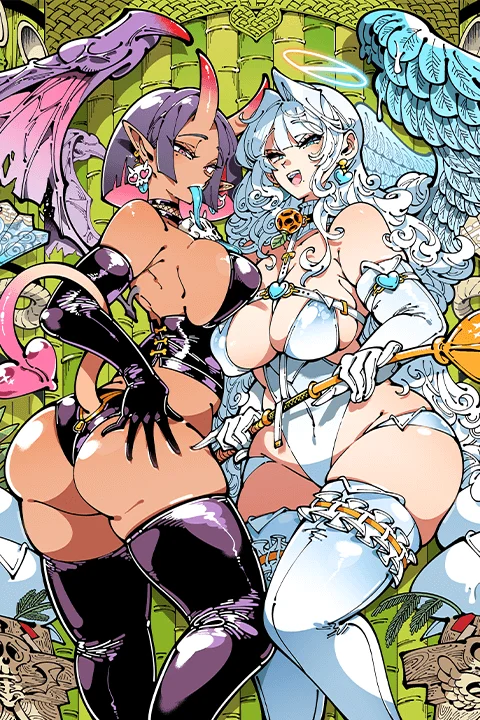
Ever feel like your characters are missing that spark, that unique personality that jumps off the screen? You meticulously draw every line, apply every color, but the final piece still feels a bit… static. It’s a common roadblock when aiming for illustrations with that irresistible visual punch. The key isn’t just more detail; it’s about infusing life through strategic posing and expressive nuances.
💡 Three Core Principles for Dynamic Character Illustrations
1. Mastering Expressive Poses and Individuality
It’s not just about drawing a character standing there; it’s about showing who they are. Kafun emphasizes capturing individuality through poses that tell a story.
- Think Beyond Static: Instead of standard stances, consider how a character’s posture can reveal their mood, personality, or even their background. A slight lean, a cocked head, or hand gestures can add layers of depth.
- The Power of Personal Style: Integrate elements that reflect the character’s inner world. This could be a subtle shift in expression, a unique way they hold an object, or an unexpected pose that feels true to their persona. It’s about making the character feel alive and distinct.
2. Building a Reservoir of Creative Inspiration
Stuck for ideas? Kafun’s approach involves cultivating a personal inspiration system that fuels creative expansion.
- Deconstruct Your Interests: Reflect on what genuinely fascinizes you – objects, concepts, or even phenomena. Understanding why these things resonate is the first step to skillfully weaving them into your art.
- From Concept to Canvas: Learn to translate written ideas into visual concepts. This involves not just brainstorming but also developing a personal library of visual elements and compositional ideas that you can draw upon.
3. Elevating the Finish with Manga-Inspired Techniques
To create truly unforgettable illustrations, leverage expressive techniques often seen in manga to enhance visual impact.
- Strategic Contrast and Detail: Utilize principles of contrast and dynamic line work to make your characters pop. This isn’t just about making things darker or lighter, but about guiding the viewer’s eye and emphasizing key features.
- Platform Adaptability: Consider how your illustration will be viewed. Adapting your work for different sizes—from thumbnails to full-size displays—ensures your characters maintain their impact across various platforms.
🛠️ Key Skills & Details That Define Professional Quality
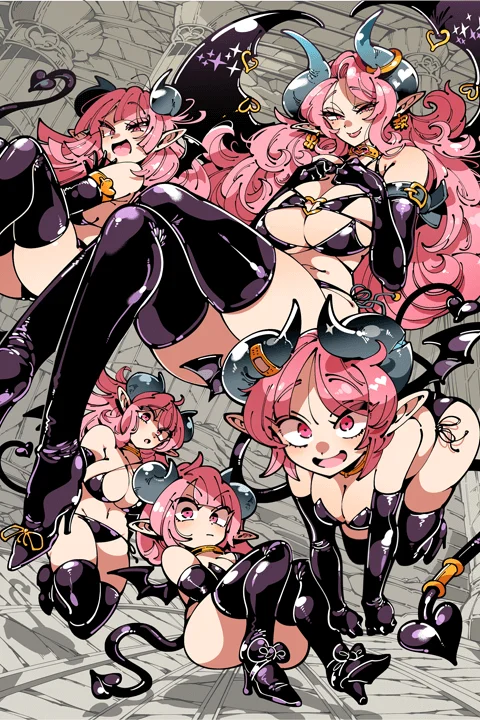
Achieving that professional polish in character illustration involves mastering specific techniques that go beyond basic rendering. It’s about understanding how to make your characters not only look good but feel present and compelling.
- Dynamic Posing and Anatomy: Learn to depict a variety of body parts and poses that convey motion and emotion. This includes understanding how to create both compelling bust-up close-ups and dynamic full-body illustrations.
- Color and Lighting Mastery: Explore advanced coloring techniques and dynamic color usage that breathe life into your characters. This involves understanding how light interacts with forms to create mood and depth.
- Composition and Background Integration: Discover key principles for creating illustrations that are ready for application, meaning they work well in various contexts. This also includes learning how to craft backgrounds that complement, rather than compete with, your characters.
- The Art of Finish: Understand the subtle “extra steps” that elevate an illustration from good to great. This could involve refining line art, adding subtle textures, or using specific rendering techniques to enhance the overall level of finish.
💬 Frequently Asked Questions
Q. How can I make my character’s expressions more believable and engaging?
A. Zh-Illustrator Kafun suggests experimenting with a wide range of facial expressions, paying close attention to how subtle changes in eyebrows, mouth shape, and eyes can convey different emotions. They also recommend exploring the use of cartoon symbols and designing expressions based on the context of the scene to enhance their impact.
Q. What’s the most effective way to develop a unique personal style in character illustration?
A. According to Zh-Illustrator Kafun, developing a personal style starts with understanding your own passions and interests. By reflecting on what you are drawn to, you can learn to skillfully incorporate these elements into your character designs, making them feel authentic and individual.
Q. I’m struggling with making my characters look dynamic in poses. Any quick tips?
A. Zh-Illustrator Kafun’s course breaks down methods for drawing different parts of the body to achieve more dynamic poses. The focus is on understanding how to create visual impact through expressive lines and confident linework, especially for both close-up and full-body illustrations.