🛠️ Key Skills & Details That Define Professional Quality
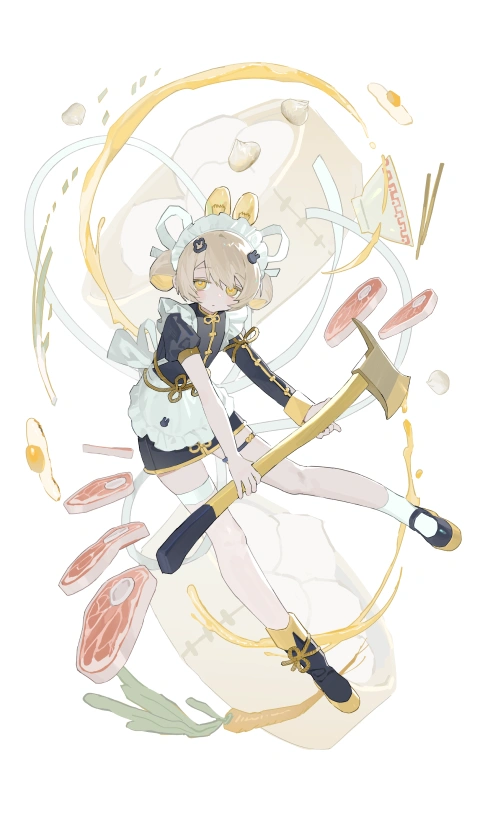
Moving beyond theory, the true power lies in practical application. This course dives deep into the nuances that distinguish professional character illustrations. You’ll learn how to build a robust creative process from the ground up, ensuring your designs are not only visually appealing but also narratively compelling.
- Structured Ideation: Instead of sifting through endless references aimlessly, learn to analyze and organize your ideas with core principles of readability and visual impact. This structured approach transforms vague concepts into concrete character designs.
- Linework and Color Control: Develop a distinctive art style with delicate line art and lucid colors. The techniques focus on achieving a polished look with low saturation palettes that still pack a punch, a signature of kiri’s work.
- Layout and Composition: Understand how to arrange elements on your canvas to guide the viewer’s eye, emphasize key character traits, and convey narrative intent effectively. This includes strategic use of placement, lighting, and color to create impactful compositions.
💬 Frequently Asked Questions
Q. How can an Illustrator move from copying existing styles to creating truly original characters?
A. The core shift involves understanding the fundamental principles behind successful character design, rather than just replicating surface-level aesthetics. This means focusing on readability, clear silhouettes, and intentional stylistic choices that communicate the character’s personality and story. Building a structured creative process, as outlined by Illustrator kiri, helps in organizing ideas and developing a unique artistic voice that goes beyond imitation.
Q. What are the essential elements of anime-style stylization that an Illustrator should master?
A. Mastering anime-style stylization requires breaking it down into its fundamental components. This includes understanding how to intentionally design facial features, hair, and body proportions using the concept of “minimum units.” By controlling these elements with theoretical intent, an Illustrator can create consistent and dimensional character designs that stand out, rather than relying on generic tropes.
Q. How can an Illustrator use lighting and color to enhance the emotional impact of their character illustrations?
A. Illustrators can leverage lighting and color to dramatically influence mood and emotion. By understanding concepts like ambient light, scattering, and reflected light, artists can strategically paint scenes that evoke specific feelings. This involves consciously manipulating light sources, shadows, and color palettes to align with the character’s personality and the desired narrative tone, creating a more immersive and impactful final piece.