Mastering Anime Expressions: Illustrator LEW’s Blueprint for Dynamic Characters
🧐 When Your Character’s Emotions Fall Flat, Even with Great Anatomy
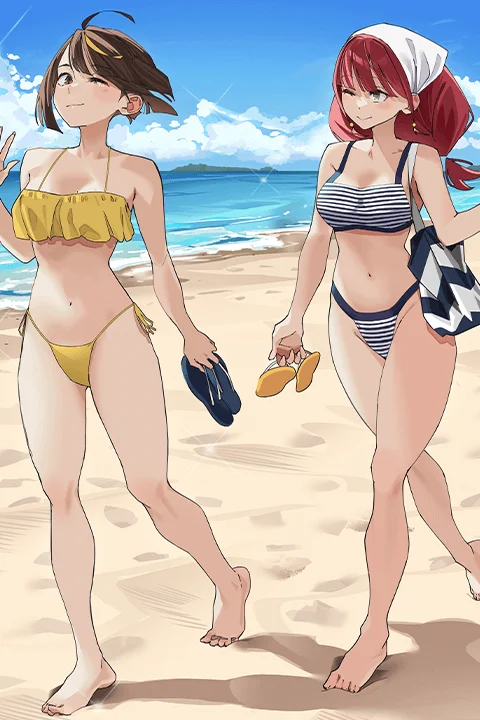
You meticulously construct every line, ensuring the anatomy is spot-on, the proportions are perfect, yet the character’s expression still feels lifeless. It’s a common roadblock; you can draw a static figure, but conveying genuine emotion and personality is a different beast entirely. This often stems from a misunderstanding of how fundamental shapes and lines translate directly into impactful expressions, leading to characters that look technically correct but lack soul.
💡 LEW’s Core Principles for Characters That Speak Volumes
1. Building Expressive Foundations with Shape Language
The key to dynamic expressions isn’t just about drawing eyes and mouths. It’s about understanding shape language. LEW emphasizes that how you stylize fundamental shapes—circles for softness, squares for rigidity, triangles for sharpness—directly dictates the perceived emotion. A rounder head shape with softer jawlines naturally lends itself to a more approachable or innocent expression, while sharper angles can convey aggression or determination. Think of it as the character’s underlying form communicating their mood before a single facial feature is even added. This isn’t about complex anatomy; it’s about intentional simplification to amplify emotional impact.
2. Gesture Drawing for Authentic Posing and Emotion
Instead of starting with rigid outlines, LEW advocates for gesture drawing. This technique focuses on capturing the overall flow and energy of a pose and, crucially, the emotion behind it. By quickly sketching the action line—the invisible force driving the pose—you imbue your characters with a natural dynamism that static figure drawing often misses. This method is essential for portraying characters in the heat of an exhilarating adventure or a moment of quiet contemplation. It’s about drawing the feeling of the movement, not just the static form.
3. The Power of Subtlety: Beyond Extreme Expressions
While anime is known for exaggerated emotions, LEW highlights the power of subtle cues. A slight tilt of the head, the tension in a jawline, or the specific curve of an eyebrow can convey a wealth of feeling without resorting to wide-open mouths or massive tears. Mastering these micro-expressions adds a layer of authenticity, making your characters feel relatable, like someone you’d actually meet. This requires careful observation and practice in depicting nuanced emotional shifts that resonate deeply with the viewer.
🛠️ Key Skills & Details That Define Professional Quality
https://cdn.day1company.io/prod/uploads/202409/091539-1093/us-illustrator-lew-example-04.webp
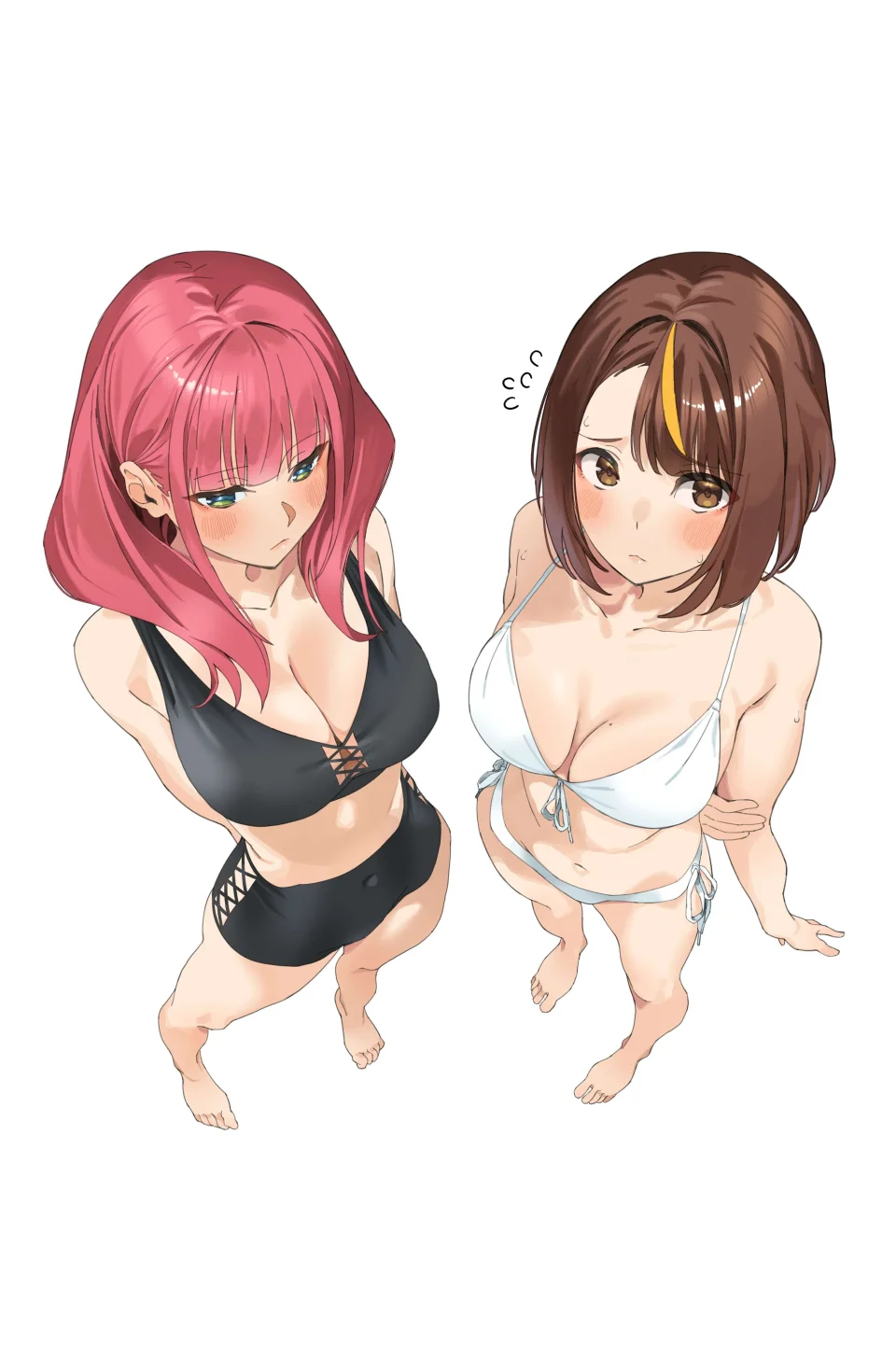
Translating the principles of shape language and gesture into a polished illustration involves a keen eye for detail. LEW’s workflow demonstrates how to refine rough sketches into compelling characters through intentional rendering.
- Anatomy as a Tool, Not a Constraint: Understanding human anatomy, even in a stylized anime context, allows you to push and pull forms for greater emotional impact. This means knowing how muscles shift and bones articulate to create a convincing grimace or a joyful laugh.
- Hair as an Extension of Personality: Hair isn’t just an accessory; it’s a narrative element. LEW shows how to draw hair that not only complements the character’s design but also enhances the mood of the illustration. This involves considering flow, volume, and how light interacts with different textures to add depth and dynamism.
- Strategic Color and Shadow: The final rendering stage is where emotion truly solidifies. LEW’s approach to color and shadow emphasizes clarity and impact. Simple methods for portraying light and shadow can dramatically improve your workflow, ensuring that your colors enhance, rather than compete with, the character’s expression and the overall composition. This often involves understanding how light sources affect form and using color temperature to evoke specific feelings.
💬 Frequently Asked Questions
Q. How does an Illustrator use shape language to create different character personalities?
A. An Illustrator like LEW utilizes shape language by associating specific shapes with personality traits. For instance, rounded shapes might be used for friendly or gentle characters, while sharp, angular shapes could define more aggressive or stoic individuals. This is applied from the overall head shape down to the details of the eyes and mouth to create a cohesive visual identity for each character.
Q. What is the most effective way for an Illustrator to practice gesture drawing for anime characters?
A. The most effective way for an Illustrator to practice gesture drawing for anime characters is through timed, quick sketches focusing on the energy and flow of the pose, rather than precise details. Using reference photos or live models, the goal is to capture the essence of the movement in 30 seconds to 2 minutes per sketch. This trains the hand to quickly convey dynamism and emotion.
Q. How can an Illustrator make subtle facial expressions more impactful in their anime artwork?
A. An Illustrator can make subtle facial expressions more impactful by focusing on the micro-details of the face, such as the curve of the eyebrows, the subtle tension in the jaw, or the slight widening of the eyes. LEW’s approach suggests that rather than relying on extreme distortions, these nuanced shifts, combined with appropriate head tilts and body language, can convey a deeper, more resonant emotional state.