💡 Three Pillars of Immersive Anime Backgrounds
1. Crafting Atmosphere Through Light and Time
The environment isn’t static; it breathes with changing light and weather. Understanding how to portray dawn, dusk, or a stormy day isn’t just about color—it’s about evoking emotion. For instance, a warm, golden hour light can instantly make a scene feel peaceful, while cool, diffused light on a rainy day adds melancholy. This principle is about painting the feeling of a moment, not just the objects in it. Experiment with light sources and color palettes to reflect different times and weather conditions, adding narrative depth.
2. Mastering Essential Environmental Elements
Backgrounds often rely on universal elements like skies, trees, and earth. Instead of generic shapes, focus on understanding their core characteristics. For skies, learn to paint dynamic clouds that suggest movement or calm. For foliage, develop techniques to render dense bushes or individual leaves efficiently. For ground elements, explore textures that convey material—be it rough stone or damp soil. The efficiency comes from building a library of reliable techniques for these foundational elements. This allows you to quickly establish a location and focus on the scene’s unique atmosphere.
3. The Power of Textural Depth and Detail
A flat illustration lacks the tactile quality that draws viewers in. Adding texture transforms a simple shape into a believable surface. This could involve subtle grunge overlays for urban grit, soft noise for atmospheric haze, or varied brush strokes for natural surfaces. This one tweak can seriously level up your output by creating a sense of realism and visual interest. Learn to render details like wet surfaces reflecting light or the fine nuances of bark on a tree. These finishing touches add a professional polish that makes your backgrounds feel alive.
🛠️ Key Skills & Details That Define Professional Quality
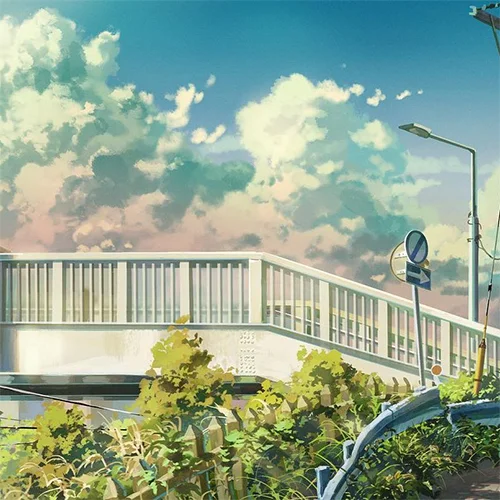
Professional anime backgrounds go beyond just depicting a setting; they contribute to the narrative. This involves a deep understanding of:
- Brush Control and Customization: Learn to create and utilize custom brushes that mimic natural media or specific anime styles. This isn’t just about aesthetics; it’s about workflow efficiency. A well-suited brush can drastically speed up rendering processes for elements like foliage or textures.
- Color Theory for Atmosphere: Understand how to use color palettes to convey specific moods. For example, contrasting warm and cool tones can create dramatic tension, while monochromatic schemes can evoke serenity or desolation.
- Compositional Storytelling: Explore how the placement of elements, lines of sight, and framing can guide the viewer’s eye and enhance the emotional impact of a scene.
- Rendering Techniques: Master techniques for efficiently painting complex elements like cityscapes or natural landscapes. This includes understanding how to apply lighting and shadows effectively to create depth and form.
- Weather and Time of Day Effects: Gain practical skills in illustrating the specific visual cues associated with different weather patterns (e.g., rain streaks, fog density) and times of day (e.g., soft morning light, harsh midday sun, ambient night glow).
💬 Frequently Asked Questions
Q. How does an Illustrator create backgrounds that feel alive and tell a story?
An Illustrator achieves this by focusing on atmospheric elements like lighting and weather, mastering universal environmental components such as skies and nature, and adding crucial textural depth and details. These techniques transform a static image into a narrative environment.
Q. What are the key environmental elements an Illustrator should focus on for anime backgrounds?
Illustrators should master fundamental elements like the sky (clouds, light), greens (trees, foliage), and earth (ground textures, rocks). Developing specialized techniques for these core components allows for more efficient and versatile background creation.
Q. How can an Illustrator improve the realism and visual interest of their anime backgrounds?
Illustrators can enhance realism by focusing on textural depth and details. This includes understanding how light interacts with different surfaces, rendering weather effects accurately (like wet surfaces or snow), and using varied brushwork to simulate natural materials.