🛠️ Key Skills & Details That Define Professional Quality
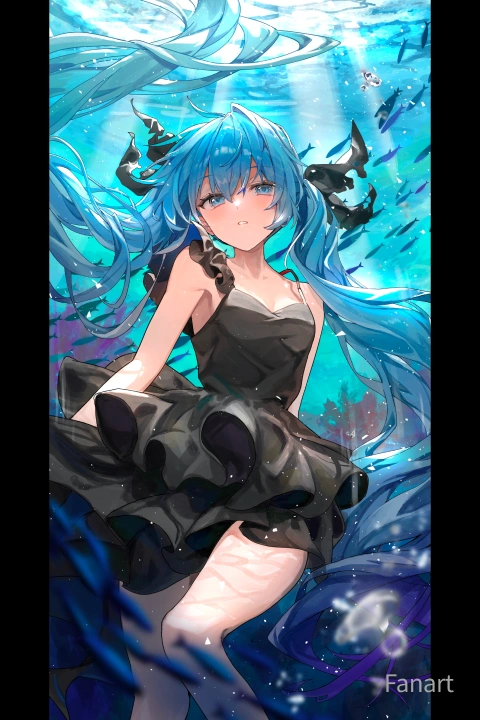
Elevating your illustrations from good to commission-worthy involves mastering specific, practical techniques. LUNA’s course delves into how to build a clean, luminous drawing and coloring process. This isn’t just about applying colors; it’s about developing your own unique tones and style through a production-tested workflow.
For example, understanding the interaction between lighting and emotion means employing techniques like chiaroscuro, binary shading, and clean overlay methods to create depth and transparency without heavy post-processing. Furthermore, learning to increase the amount of visual information in your composition subtly guides the viewer’s eye and enhances the overall impact of the artwork. This holistic approach, combining emotional expression, atmospheric lighting, and a cohesive visual style, is what truly sets professional illustrations apart.
💬 Frequently Asked Questions
Q. How can an Illustrator use lighting to convey emotion more effectively?
An Illustrator can effectively convey emotion through lighting by treating light as a visual language. This involves understanding how different lighting types influence mood – for example, using warm lighting to evoke comfort or cool lighting for a sense of unease. Techniques like chiaroscuro for dramatic contrast, or soft, diffused lighting for gentleness, directly impact the emotional resonance of a character. Deliberately choosing the direction, color, and intensity of light sources, and considering how they interact with the character’s form and expression, is crucial for narrative impact.
Q. What are the essential composition principles an Illustrator should focus on for commercial work?
For commercial work, an Illustrator should focus on composition principles that enhance storytelling and visual appeal. This includes creating striking compositions that guide the viewer’s eye, establishing a clear focal point, and using dynamic movement to add energy. Understanding how to arrange elements to build a compelling atmosphere, and how lighting and color interact within that composition, is key. The goal is to create images that are not only aesthetically pleasing but also effectively communicate the character’s personality and the intended mood of the scene.
Q. How can an Illustrator develop a distinctive coloring style that stands out?
Developing a distinctive coloring style involves moving beyond isolated techniques to build a cohesive and personal approach. An Illustrator can achieve this through visual-driven planning, consistent mood control, and experimentation with color palettes that reflect their unique perspective. Mastering luminous coloring methods, as taught by LUNA, can help achieve crisp, vibrant tones that set work apart. Regularly practicing with a defined workflow and understanding how to use environmental lighting to enhance color clarity and mood will contribute to a signature style that is memorable in a competitive market.